

Car insurance in the US for new residents: what you should know
Knowing which documents are useful and what coverage to choose can make the difference when purchasing car insurance in the United States.
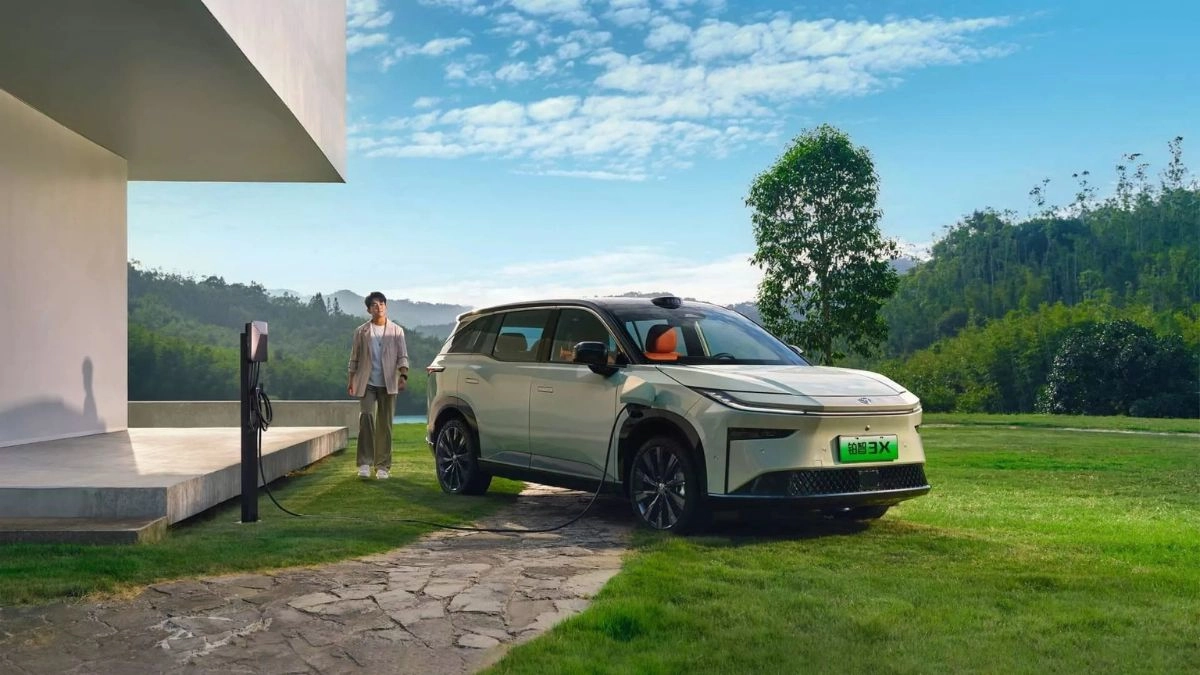

Getting a vehicle usually becomes one of the first needs for those starting a new life in the United States. Whether it is to go to work, study or attend to personal matters, having a car makes routine easier. However, before going out to drive there is a requirement that cannot be overlooked: having current insurance.
Read also: Pending: using your car to work can affect your insurance
What many do not know is that the lack of a US license does not always prevent you from taking out a policy. In several states there are legal alternatives that allow access to insurance using other valid documents, which represents a relief for thousands of immigrants who are just beginning their adaptation process.
You can read: Is your air conditioning slow to cool? This is the explanation
Knowing the options available from the beginning can avoid legal problems, unexpected expenses and even complications with future procedures related to the vehicle.
What documents can be used to contract a policy
Insurers have made part of their processes more flexible and today several accept driver's licenses issued in other countries or the International Driving Permit (IDP). This allows many new residents to insure a car even before obtaining a local license.
Something similar happens with the Personal Taxpayer Identification Number, known as ITIN. This document is usually sufficient to process insurance when the person does not yet have a Social Security number.
In those states where the regulations require a state license for certain procedures, another possibility is to register as the main driver a family member who does meet that requirement and add the rest of the household members to the policy.
Coverages you shouldn't overlook
Liability coverage is the foundation of any auto insurance in the United States. In addition to being mandatory in practically the entire country, it protects the driver against material damage and injuries that may be caused to other people in the event of an accident.
If the vehicle was purchased through financing, the bank will normally request additional protections. These include collision coverage, which helps repair the car after a crash, and comprehensive coverage, designed to respond to theft, acts of vandalism or natural phenomena.
It is also advisable to review the medical coverage or PIP, since it can cover the costs of care and recovery of the driver and passengers without waiting for responsibility for the accident to be determined.
How to pay less without sacrificing protection
Accepting the first offer is rarely the best decision. Comparing proposals from several insurers allows you to identify important differences in both the price and the coverage included.
Another common strategy is to take out more than one insurance with the same company. Bundling car insurance with a home or life policy often results in discounts that help reduce monthly expenses.
It is also important to provide truthful information when applying for the policy. Declaring a lower mileage than the actual mileage or hiding that the vehicle will be used for delivery platforms could cause the insurance to be canceled when it is most needed.
Finally, many insurers offer monitored driving programs through mobile applications. These tools evaluate aspects such as speed, braking and driving habits. Those who demonstrate responsible driving can access discounts on the cost of insurance, turning prudent driving into an economic benefit.