

Mike Johnson promotes the controversial SAVE Act after Trump's ultimatum to Congress
House Speaker Seeks to Approve Voter Registration Restrictions as Tension Grows Among Republicans Over Trump's Pressure
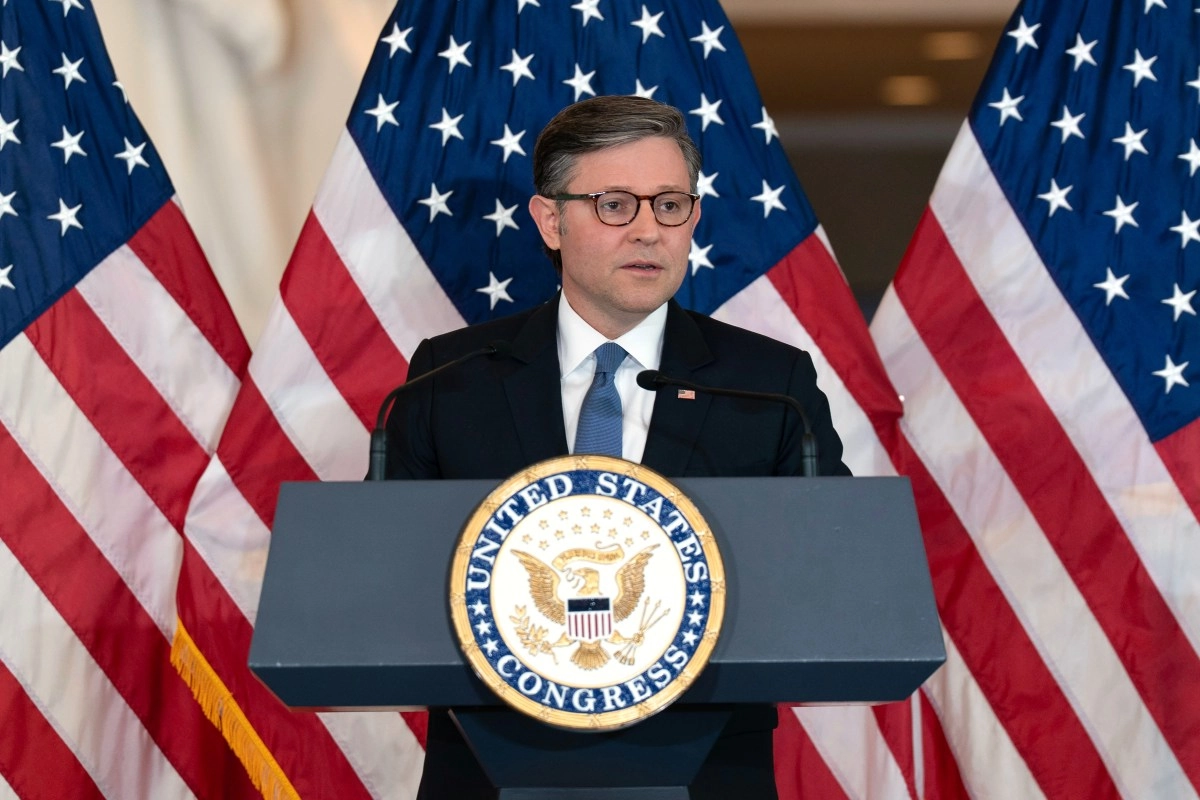

The Speaker of the House of Representatives, Mike Johnson, announced this Wednesday that he will redouble efforts to pass the American Voter Eligibility Protection Act (SAVE America Act), a controversial electoral reform backed by Donald Trump, after the president conditioned the enactment of an important bipartisan law on housing on the approval of said initiative.
Johnson's decision came hours after Trump canceled the signing ceremony of the so-called “21st Century ROAD to Housing Act,” legislation aimed at increasing the supply of affordable housing and approved with broad support in both chambers of Congress.
The president argued that the approval of the SAVE Act constitutes a “national emergency” and demanded that Congress act first on that proposal. According to media such as Axios, Reuters and CBS News, Trump used the delay of the housing law as a pressure mechanism on Republican legislators and the Senate.
During statements to the press on Capitol Hill, Johnson confirmed that he had spoken with Trump about the possibility of using the budget reconciliation procedure to try to advance electoral legislation, a strategy that would allow him to avoid some legislative obstacles in the Senate.
The SAVE Act is one of Trump's top legislative priorities in his second term. The initiative would require citizens to present documentation proving their U.S. citizenship, such as a passport or birth certificate, to register to vote in federal elections. In addition, it contemplates stricter voter identification requirements.
Republicans maintain that these measures would strengthen the integrity of the elections and prevent the participation of unauthorized persons in the electoral processes. However, civil rights organizations, election experts and Democratic lawmakers say the new requirements could make it harder for millions of eligible citizens to vote, especially married women whose documents show surname differences, low-income people and minorities.