

Parents reject vitamin K injections for newborns, considering them dangerous
Experts attribute this phenomenon to misinformation and distrust in the medical system
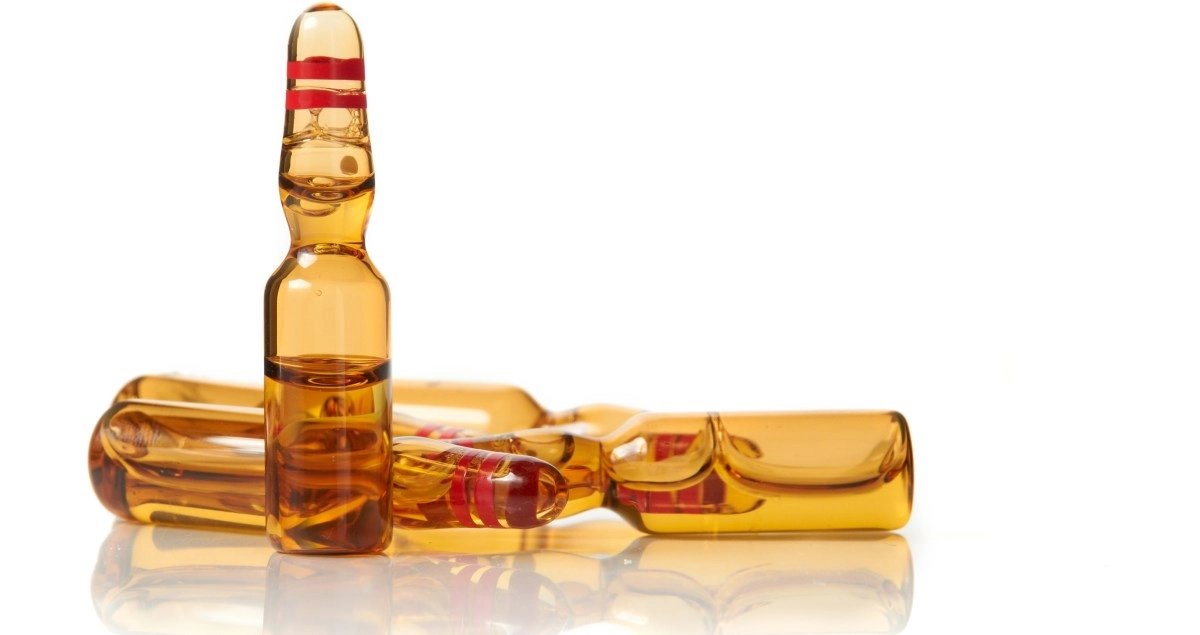

Vitamin K is crucial for the proper formation of blood clots in the human body. Newborn babies have very low levels of this vitamin, making them vulnerable to a condition called vitamin K deficiency bleeding. Administering a vitamin K injection shortly after birth, recommended since the 1960s, has drastically reduced cases of severe bleeding. However, in recent years, there has been a notable increase in the number of parents choosing not to give their newborns the vitamin K injection. A recent study highlights that between 2017 and 2024, the proportion of newborns who did not receive this injection grew from 3% to 5.2%, representing approximately 190,000 babies in 2024. Experts attribute this phenomenon to misinformation and distrust in the medical system. Vitamin K Deficiency: A lack of vitamin K at birth can cause severe complications, such as internal bleeding, especially in the brain. This condition can not only be fatal, but can also result in permanent disabilities. Health professionals warn that the risks of not receiving the injection are significantly greater than its potential adverse effects, ABC News reports, citing specialists. “Vitamin K is a key factor in blood clotting, so the best way to prevent bleeding in newborns is to give them a vitamin K injection,” said Dr. Kristan Scott, a neonatologist at the Children’s Hospital of Philadelphia. Without this injection at birth, babies are 80 times more likely to develop severe bleeding, according to the Centers for Disease Control and Prevention (CDC). Vitamin K deficiency in babies is suspected when there is abnormal bleeding (for example, in the umbilical cord, stool, skin, or brain) and is confirmed with blood tests.
Myths and Realities of the Injection
Despite the proven safety of the vitamin K injection, many parents misunderstand its nature, confusing it with a vaccine.
Doctors emphasize that vitamin K is a safe supplement, and it is essential to discuss with trusted healthcare providers before making decisions about administering the injection to newborns.
Are there alternatives to the injections?
There are alternatives to the intramuscular injection of vitamin K to prevent hemorrhagic disease of the newborn (HDN), such as oral administration, although they are not as effective according to medical guidelines.
The typical oral regimen consists of three 2 mg doses: one at birth, one at 3-7 days, and a third between 4-6 weeks.
Organizations such as the European Society for Paediatric Gastroenterology, Hepatology and Nutrition The European Society for Pediatric Neonatal Infection (ESPGHAN) and the European Foundation for Newborn Care (EFCNI) recommend it for parents who refuse the injection, but highlight its lower effectiveness against late-onset vitamin K deficiency (VKD). The single injection (0.5–1 mg intramuscularly) offers superior and more reliable protection, with an 81-fold lower risk of severe bleeding. Possible side effects of the injection: Vitamin K injection, commonly given to newborns to prevent deficiency bleeding, is generally safe, but can cause mild to severe side effects in rare cases. Serious effects require immediate medical attention and include allergic reactions such as hives, facial swelling, difficulty breathing, or anaphylactic shock, especially with rapid intravenous administration. Other serious symptoms include chest pain, dizziness, fainting, sudden headache, or difficulty breathing. Mild or local effects. These occur infrequently and usually resolve on their own, such as redness, pain, swelling, or hardening at the injection site. They may include facial flushing, changes in taste, or irritability in neonates with high doses.
Special considerations. In newborns, high doses of certain forms (such as menadiol) have caused jaundice or hyperbilirubinemia. Risk is higher with rapid intravenous or intramuscular administration; slow intramuscular administration is recommended in infants.