

The doctor at the forefront of a telemedicine network that also helps undocumented Latinos
Dr. German Echeverry, founder of Tuyo Health, is willing to help Latino immigrants who stop going to the doctor for fear of ICE raids
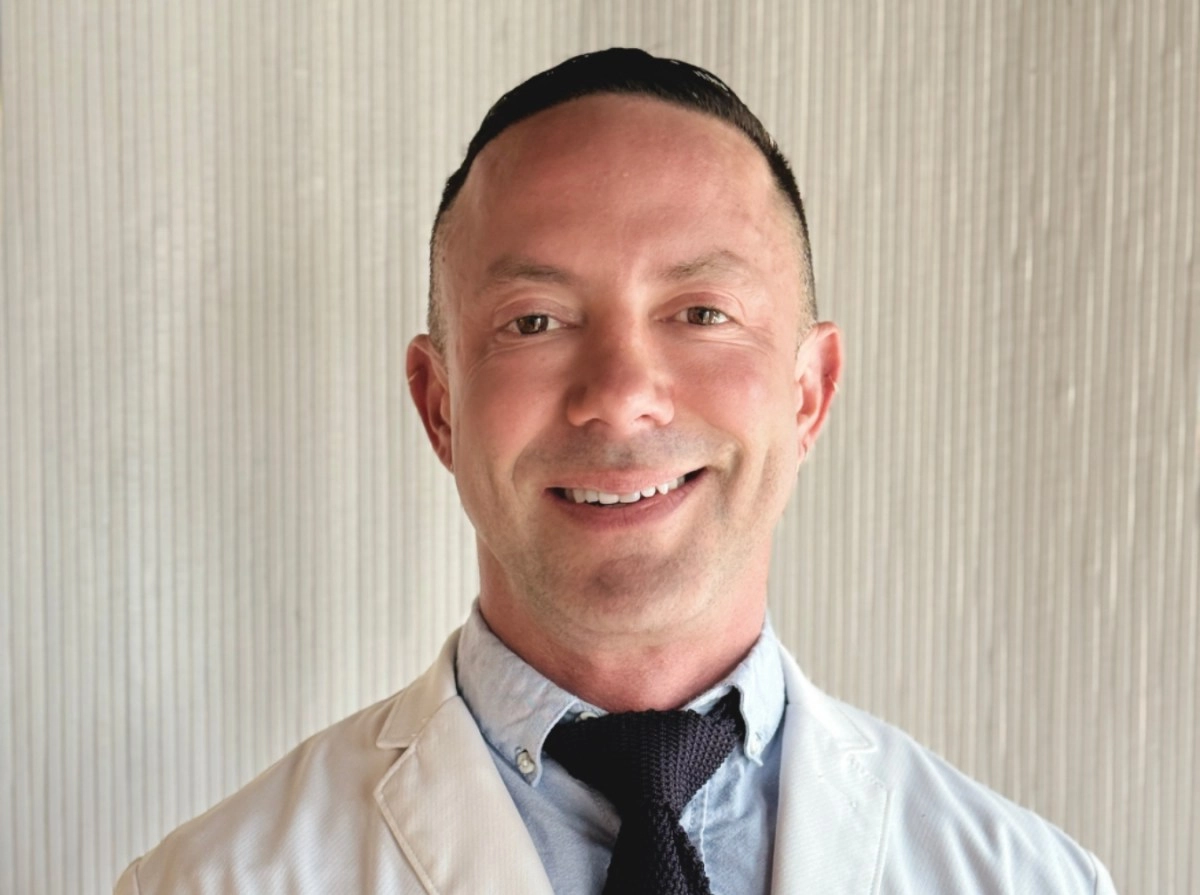

Dr. German Echeverry, a bilingual physician and the co-founder of the telemedicine network Tuyo Health, a digital health platform that offers accessible primary care in Spanish and English in more than 20 states, spoke with La Opinion about media reports and reports from doctors, nurses, and patients that are exposing how ICE raids are affecting the health care of Latinos across the country, to the point that some are choosing not to go to their medical appointments and stop treating their health.
Echeverry mentioned that on the Tuyo Health platform, patients can complete their medical history online, connect directly with licensed physicians through telemedicine, and receive ongoing treatment plans, while respecting their privacy and without fear of immigration authorities.
In the video of a Telemundo 52 report, published on YouTube by the USC Center for Health Journalism and part of the 2025 Ethnic Media Collaborative project, Healing California, testimonies are given of what the fear of raids is doing to the health of Latinos.
Telemedicine can help Latinos maintain their health care
Dr. Echeverry, in an exclusive interview with La Opinion, told us that telemedicine can help Latino patients maintain their healthcare without the risk of being detained in an ICE raid outside a doctor's office or hospital, or on their way to those appointments.
Echeverry spoke with La Opinion regarding this healthcare situation that is happening to many Latinos due to the immigration policies of President Donald Trump's administration.
How have you personally seen Latinos being affected regarding healthcare in the midst of this environment of the application of new, much stricter immigration laws?
Many of the patients we are serving through Tuyo,They tell us directly that they are currently afraid of going to traditional clinics or hospitals for important medical appointments and follow-ups because they are afraid that something could go wrong with immigration on the way to the office or right at the appointment.
When they find our service in Tuyo, they want to use our services to get care because they feel safer being at home for their appointments.
However, that fear is something we see regularly, and as a doctor, I find it very worrying that we are in this situation where people are stopping taking care of their health because they are afraid that something related to immigration might happen to them. That is very worrying.
Dr. Echeverry, in patients who have a chronic illness that requires, for example, receiving medication every certain period of time to treat their illness, this may be easier to treat with telemedicine, but in patients who present, for example, new symptoms suddenly, is this more difficult?
It is easier, that is, it is better, to manage problems when they are small before they become big. And that's why it's so important that people don't neglect their own health.
When you need, for example, as you're saying, blood pressure medication, if you run out or don't do the essential medical follow-up to ensure your blood pressure is under control and you run out of medication, that later becomes a crisis.
In my specialty as a doctor, I'm an intensive care doctor, the patients I see are more critical, in emergency rooms and in the units, in hospitals, and what I see is that, for example, if you run out of your blood pressure medication, you arrive in an emergency where something more serious could happen, like a stroke. It's already a much bigger health problem.
On the other hand, if this had been addressed, for example, through telemedicine, through Tuyo, we would have been able to monitor the blood pressure, send the prescription for the medication, and how to keep it under control. That is to say, if these chronic illnesses are managed with proper follow-up, these emergencies that can occur if left untreated can be prevented.
That is why it is so important that people not be afraid to receive medical care and that is why we want or believe that Tuyo's mission of providing these types of services can help some patients who stop going to the doctor or having health check-ups with nurses and other technicians because they are afraid of raids.
When you talk about Tuyo in that sense,Do you think this could be the solution for these immigrants to continue receiving healthcare when they need it?
I think Tuyo is part of the solution. Obviously, not everything can be treated through telemedicine, but there are many things that we can handle, and in these cases, like the ones we're discussing, they can be addressed before they become huge problems.
Now, there will always be emergencies like heart attacks and strokes that can't be treated with telemedicine.
Exactly. And obviously we can't manage that through telemedicine, but there are many things that we can, if there are urinary tract infections, respiratory infections, management of chronic diseases such as blood pressure, thyroid, cholesterol, we also treat metabolic health problems, which is one of the largest contributors to morbidity and mortality in people, because they can even cause heart attacks, and telemedicine is also useful for follow-ups and preventive care.
We can do general checkups on our platform, laboratory tests with some frequency and do those types of follow-ups in cases of diabetes, cancer, hypertension and high-risk pregnancies, to name a few, it is very important that patients can have access to these follow-ups, and we can know all of that through Tuyo.
This is a growing public health concern: when people avoid medical care, diseases progress, costs increase and outcomes worsen, not only for patients, but for the entire health system.
How many What states does Tuyo cover?
Right now, we're covering 25 states and Puerto Rico, and this covers more than 90% of the Latino population in the United States.
So, are the states that Tuyo is covering where the largest Latino population in the United States lives?
Correct, when we were deciding which state to start in, we looked at where Latinos live in the United States, obviously we looked at Puerto Rico and also the continental states, and we started in California, Texas, Florida, and from there we've expanded to 25 states, so we now cover more than 90% of the Hispanic population in the country.
Do you have links in your network with emergency services or other doctors that Latinos can go to if they need it?
When we get to situations where we can't provide services because a higher level of care is required, then referrals are made to doctors in the local health system or to emergency rooms.
I know that people are going to be afraid of going to the hospital now, but when we get to those situations where it is already very important and very serious,It has to be done.
Do you think your telemedicine platform is influencing even people receiving first-line, emergency health care?
We can help, meaning we can see patients before we get to the emergency room. If there's an emergency, if I happen to see a patient through telemedicine who's in a more complicated situation, one that can't be treated through telemedicine, that's when we make the referral, whether to a local, in-person doctor or for an urgent or emergency room.
Doctor, do you have any suggestions that could help improve this health care situation for Latinos?
I've spent almost my entire career working in hospitals and health systems that serve Latinos. I started my career in Washington Heights, at a hospital in New York. Now I live in Miami and work in many of the health systems and hospitals. Latinos face several health care challenges.
First, there's the language issue for people who have limited English. They're going to go to a hospital or clinic and they're going to receive translation, and sometimes it doesn't work well.
Another problem they face as patients is that they can't communicate well with the doctor because things get lost in translation, and that affects how things are going to go medically. If the doctor doesn't fully understand the patient's problem, they can't make the correct diagnosis.
Also, on the other hand, I have Latino patients who had already seen two or three doctors, and they had no idea what their diagnosis was because it wasn't well communicated to them, and they didn't understand. They've asked me, "Why am I here?"
"What do I have and what shouldn't I do?" It's not clear to them. So, there's the language issue, but there's also the culture issue.
And I'm referring to how we live, how we treat ourselves, how we receive medical care, right? And that's one of the things we want to address at Tuyo.
Our initiative is to focus on health, family health, and trying to recreate as much of a healthcare culture as possible, where you feel like you have doctors who understand you, understand your family, understand how you live, how you eat, your culture.
In other words, it's a deeper level of communication that's not just about understanding the patient's language, but also being able to educate the patient on what's necessary, like getting regular health checkups.
Another thing we see is that Latinos are very hard-working people. And it's sometimes very difficult to do health follow-ups and general checkups; it's very difficult for people to prioritize that.Because they have their jobs, if you're working in a factory or driving a truck, making time to go for a medical checkup can be very difficult.
On the other hand, through platforms like Tuyo, what we have is that we can do those checkups even if you have 10, 15 minutes, we can have a call, we can order some labs and do a checkup and continue the conversation when it works for you.