

Washington suspends attack against Iran after pressure from Saudi Arabia, Qatar and the Emirates
Trump confessed that he will postpone a military attack against Iran because “serious negotiations” are underway to end the war
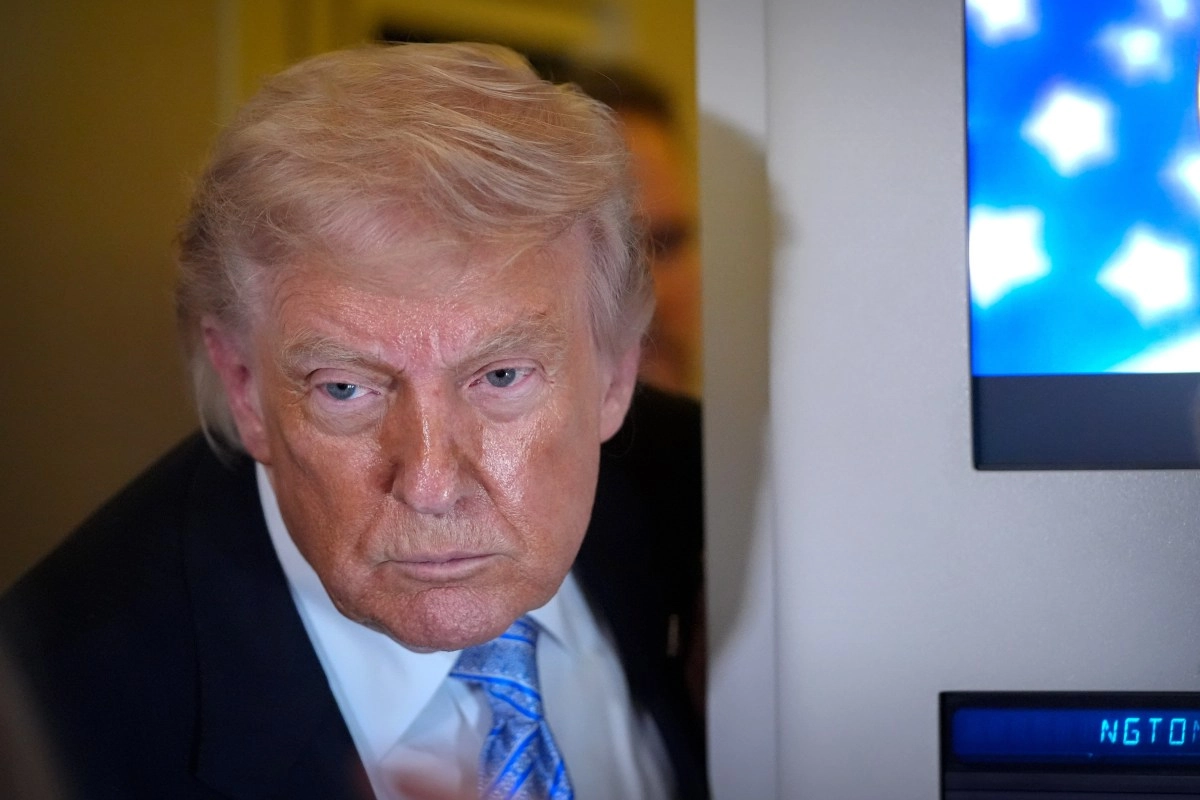

Donald Trump announced this Monday that he decided to suspend a military attack against Iran that was scheduled for this Tuesday, after receiving direct requests from leaders of Saudi Arabia, Qatar and the United Arab Emirates to give more time to diplomatic negotiations.
In a message published in Truth Social, Trump assured that the Gulf governments asked him to temporarily stop the offensive because "serious negotiations are being carried out" with Tehran and there is the possibility of reaching an agreement "very acceptable to the United States" and to the region.
“I have instructed Secretary of Defense Pete Hegseth, Chairman of the Joint Chiefs of Staff General Daniel Caine, and the United States Armed Forces NOT to carry out the scheduled attack on Iran tomorrow,” the president wrote. However, he warned that he ordered military commanders to remain ready to launch “a large-scale attack” if a satisfactory agreement is not reached.
Despite the announcement, Trump had not previously revealed the existence of an attack planned for Tuesday. The announcement surprised Washington and its international allies, since an offensive would have meant the end of the ceasefire in force since April, after weeks of confrontations between the United States, Israel and Iran.
One of the key factors behind the pressure from Saudi Arabia, Qatar and the United Arab Emirates to avoid a new offensive is the regional economic impact. The partial blockage of the Strait of Hormuz, through which about a fifth of the world's oil transits, has raised energy prices and increased the risk of a global economic crisis.
The Gulf countries also fear that a military escalation could directly affect their oil infrastructure and trade routes. Analysts cited by various international media point out that Arab monarchies seek to avoid a scenario similar to that of the Iraq or Syria wars, with prolonged instability and unpredictable regional effects.
Meanwhile, talks between Washington and Tehran to try to end the conflict that began on February 28 have remained blocked for weeks. One of the main points of dispute is the Iranian nuclear program and US demands to limit uranium enrichment.
Iran has repeatedly rejected the conditions raised by the Trump administration and this Monday confirmed that it presented a new counterproposal through Pakistani mediators.
According to the Reuters agency, the Iranian proposal includes moving first towards the end of hostilities, the reopening of the Strait of Hormuz and the lifting of some maritime sanctions, while differences over the nuclear program would be left for later negotiations.
Iranian President Masoud Pezeshkian defended Tehran's position and declared that “dialogue does not mean surrender,” insisting that talks must take place “with dignity and preserving the rights of the nation.”