
Many Hispanics wonder why Three Kings Day isn't celebrated in the United States, precisely because January 6th goes practically unnoticed. Although millions of Latin American families keep this tradition alive, the celebration isn't part of the country's general cultural calendar. While it's a holiday closely related to religion, the reasons are historical, cultural, and social. We'll explain some of those reasons.
1. The holiday comes from a different cultural origin
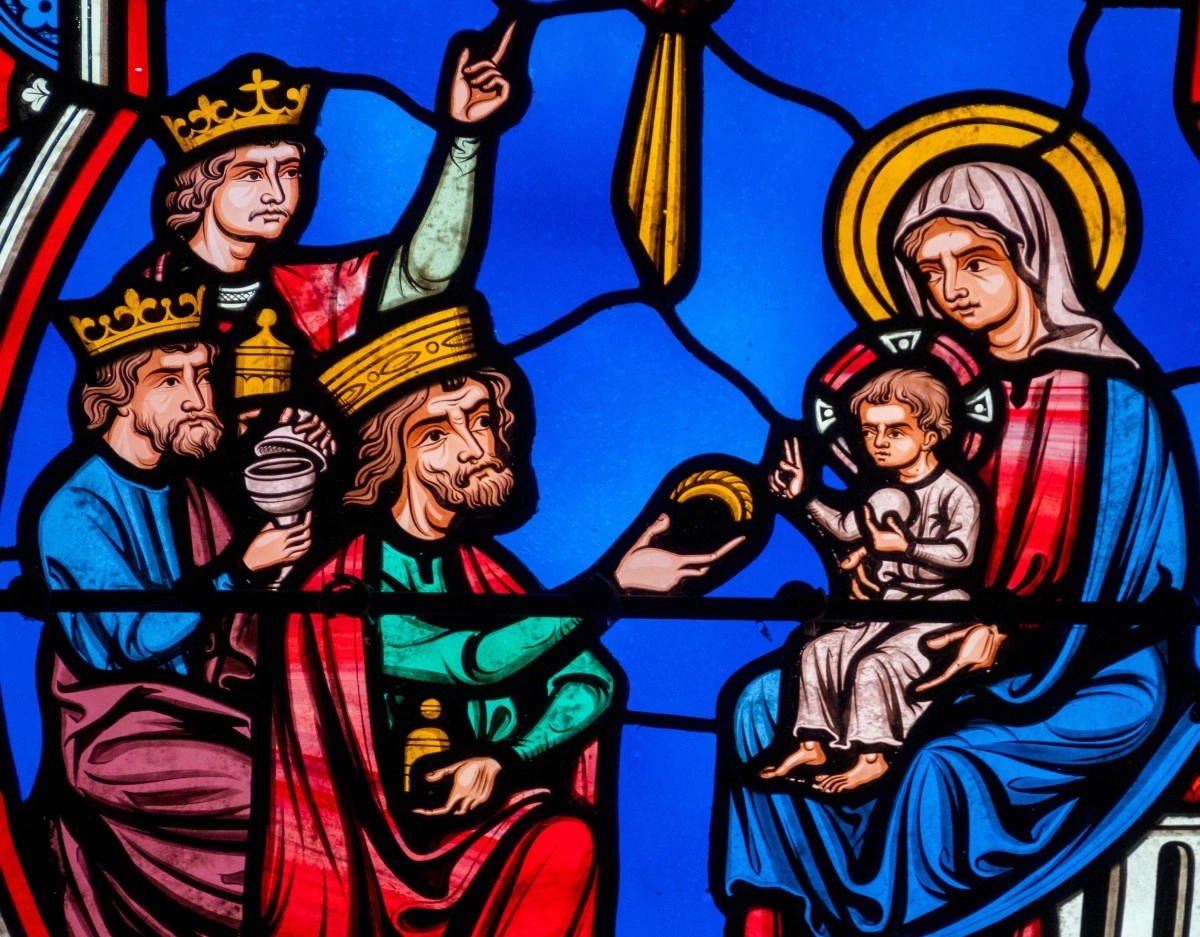
The celebration of the Three Kings has deep roots in countries with a Catholic tradition, such as Spain and much of Latin America. In these places, Epiphany represents the arrival of the Kings at the manger and is associated with gifts, family rituals, and community celebrations.
The United States, on the other hand, was formed mostly under Protestant influence, where this holiday never held a central place. From its beginnings, American society prioritized Christmas on December 25 as the key moment of the holiday cycle.
Christmas is usually the sole focus of the holidays
In the United States, Christmas concentrates all the symbolism, family celebration, and gift-giving. There is no natural extension of the holidays into January, as occurs in many Hispanic countries.
December 31 marks both the high point and the end of the Christmas season.
After that date, the decorations are taken down, the festive activities conclude, and the country quickly returns to its work and school routine.
The Role of Consumption and the Commercial Calendar
The American economic model also influences the absence of the Three Wise Men. The Christmas shopping season begins even before December and almost always ends after Christmas or, at the latest, on December 31.
If it were to extend until January 6, it would imply a longer period of consumption, forcing the country to reorganize a commercial calendar that has historically been very well defined. For that reason, around this time,The market solidified Santa Claus and Christmas as the sole references for gifts and children's celebrations.
Lack of cultural transmission at the national level
Traditions are maintained when they are passed down from generation to generation within a society. For decades, the population that celebrated Three Kings Day in the United States was a minority, so the holiday failed to integrate into the national collective consciousness.
Although today the Hispanic population is one of the largest and fastest growing in the country, the tradition continues to be associated with specific communities and not with American cultural identity in general.
Living tradition in Latino communities
Despite not being a national holiday, Three Kings Day is celebrated in many Hispanic homes and in communities with a strong Latino presence, not only in Los Angeles, but also in Miami, New York, and Chicago. In these cities, events, toy giveaways, and religious celebrations are organized for January 6th.
For many families, maintaining this tradition is a way to preserve cultural identity and pass on values ??to new generations born in the United States.
Cultural Difference, Not Total Absence
In the United States, there is no prohibition or rejection related to the Three Kings Day celebration. The limited presence of this tradition stems, as we have already mentioned, from cultural differences associated with the way celebrations, childhood, and the festive calendar are understood: while in many Hispanic countries the Three Wise Men symbolize hope, anticipation, and cultural continuity, in the United States that role has been almost entirely assumed by Santa Claus and Christmas.
You may also be interested in: Nostalgic Christmas in Los Angeles; What is the origin of Santa Claus and who is Saint Nicholas of Bari: all explained; Traditions that cross borders