

Syrian Rebels Declare Damascus ‘Free’ Amid Claims Assad Has Fled the Capital
Syrian rebels declare Damascus ‘free’ and claim that President Bashar al Assad has fled the capital. Tensions rise as the country’s civil war intensifies.
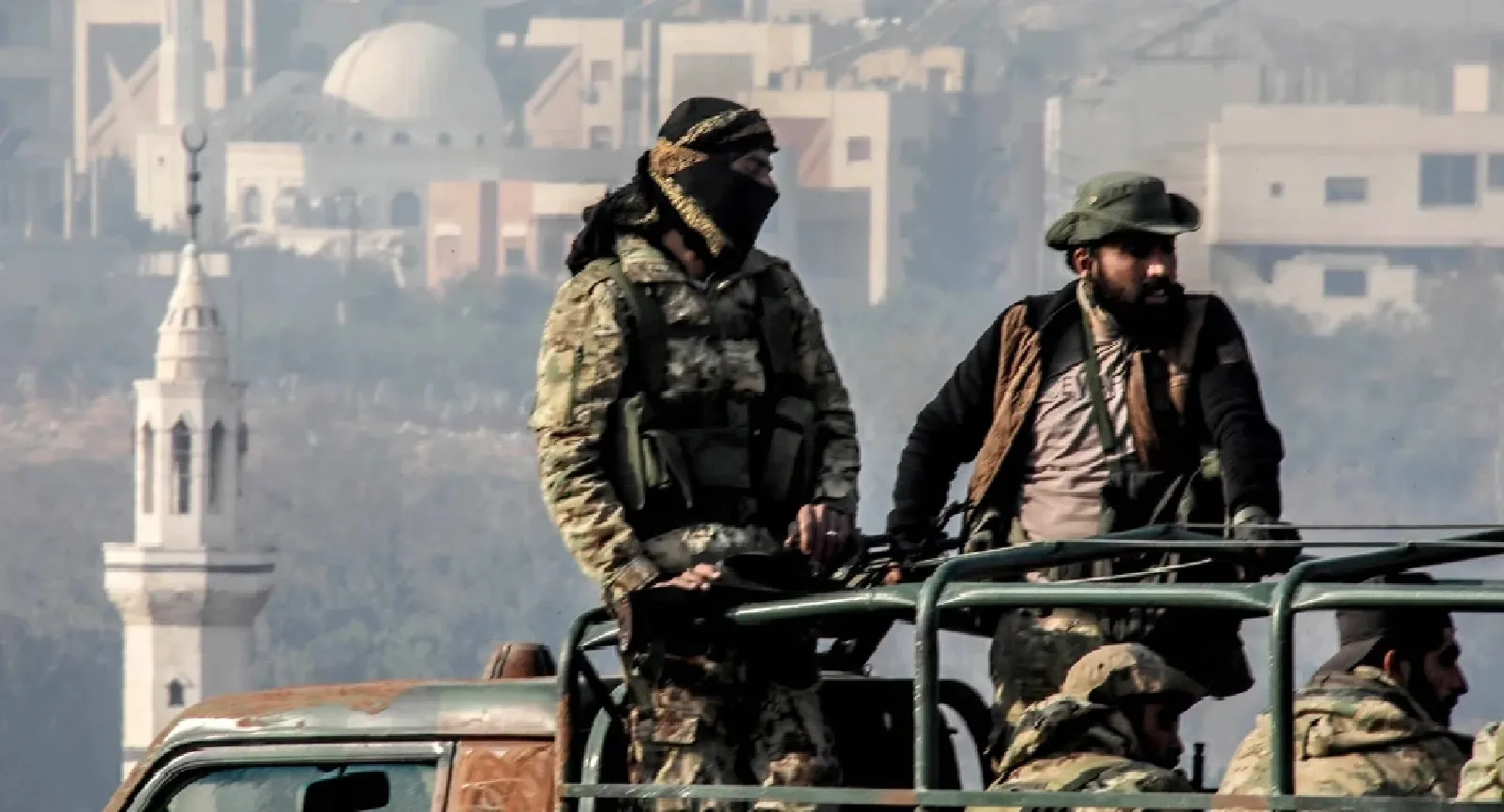

In a dramatic escalation in the ongoing Syrian civil war, rebel groups have declared the capital, Damascus, “free” and claimed that President Bashar al-Assad has fled the city. The announcement, made in the early hours of the morning, has sent shockwaves throughout the country and the international community.
Breaking News: Damascus Declared Free
The declaration was made by several rebel factions, including the Free Syrian Army (FSA) and other opposition groups, who have been fighting against the Assad regime for over a decade. “Damascus is free from the regime,” said a prominent rebel leader during a press conference. “The tyrant is gone, and his forces have retreated.”
Rebel sources also claimed that Assad, who has been a central figure in the conflict, has fled the capital and is believed to have sought refuge in a remote location, though there has been no official confirmation of this. The announcement has sparked celebrations among opposition supporters, who see this as a monumental moment in their long struggle against the Assad regime.
Impact on the Syrian Civil War
This latest development marks a significant turning point in the Syrian Civil War. Damascus, the heart of Assad’s government, has been fiercely defended by regime forces, with major military interventions from allies such as Russia and Iran. If the rebel claims are accurate, it would signify the collapse of Assad’s stronghold in the capital and a dramatic shift in the balance of power.
Since the beginning of the civil war in 2011, the Syrian government, backed by foreign forces, has managed to regain control of much of the country. However, pockets of resistance have remained, particularly in the northwest and in opposition-held areas of the capital. Rebel groups have consistently pushed back against government forces, even as the international community’s involvement in the conflict has fluctuated.
Assad’s Alleged Flight: Fact or Fiction?
The claim that Assad has fled the capital is still unverified, and it remains unclear whether the Syrian leader is truly absent from the city. There has been no official statement from the Syrian government or from Assad himself regarding the allegations. However, rumors have swirled in recent months that the regime’s grip on power was weakening, with increasing defections and a noticeable decline in military effectiveness in certain regions.
Experts are divided over the potential truth of the claims. Some analysts argue that it is possible that Assad could have been forced to flee given the rapid advances by rebel forces, while others remain skeptical, suggesting that such a significant move would be difficult to conceal. The coming days are expected to reveal more details about the situation.
International Reactions
The international community has been closely monitoring the situation in Syria, with several foreign governments calling for immediate investigations into the state of affairs in Damascus. The United States, which has supported the Syrian opposition in the past, voiced concern over the reports of Assad’s disappearance but refrained from confirming the claims of the rebels.
Russia, a long-time ally of Assad, has not commented on the reports either, though its military forces remain heavily involved in Syria. Analysts suggest that Moscow’s reaction to these developments will be crucial in determining whether the Assad regime can continue to operate without its traditional backing. Other nations in the region, including Turkey and Israel, have expressed cautious optimism, urging for peace negotiations in light of the apparent shift in power.
What’s Next for Syria?
With the claim of Assad’s flight still unverified, the situation in Damascus remains tense. Rebel groups are likely to continue their push for full control of the capital, but the government’s next steps could dramatically alter the course of events. If Assad is indeed gone, the power vacuum left in his absence could lead to further instability in the country, potentially plunging Syria into an even deeper crisis.
For now, the future of Syria hangs in the balance. Both the rebels and the Assad government face critical choices in how they move forward, and international diplomacy will play a significant role in shaping the next phase of the conflict.
Calls for Peace and Stability
Amid the chaos and uncertainty, there have been renewed calls for peace and stability in Syria. Various international organizations have called for an immediate ceasefire and for negotiations to begin in order to resolve the conflict that has torn the country apart for over a decade.
The people of Syria have long suffered from the effects of the war, with millions displaced, thousands killed, and cities reduced to rubble. A peaceful resolution, however difficult, is the hope of many who have lived through years of violence and hardship.