

Scalp Diseases That Affect Hair Growth and Scalp Health
Learn about common diseases that impact scalp health and hair growth including psoriasis, dermatitis, alopecia, and infections. Discover how scalp care can support hair restoration.
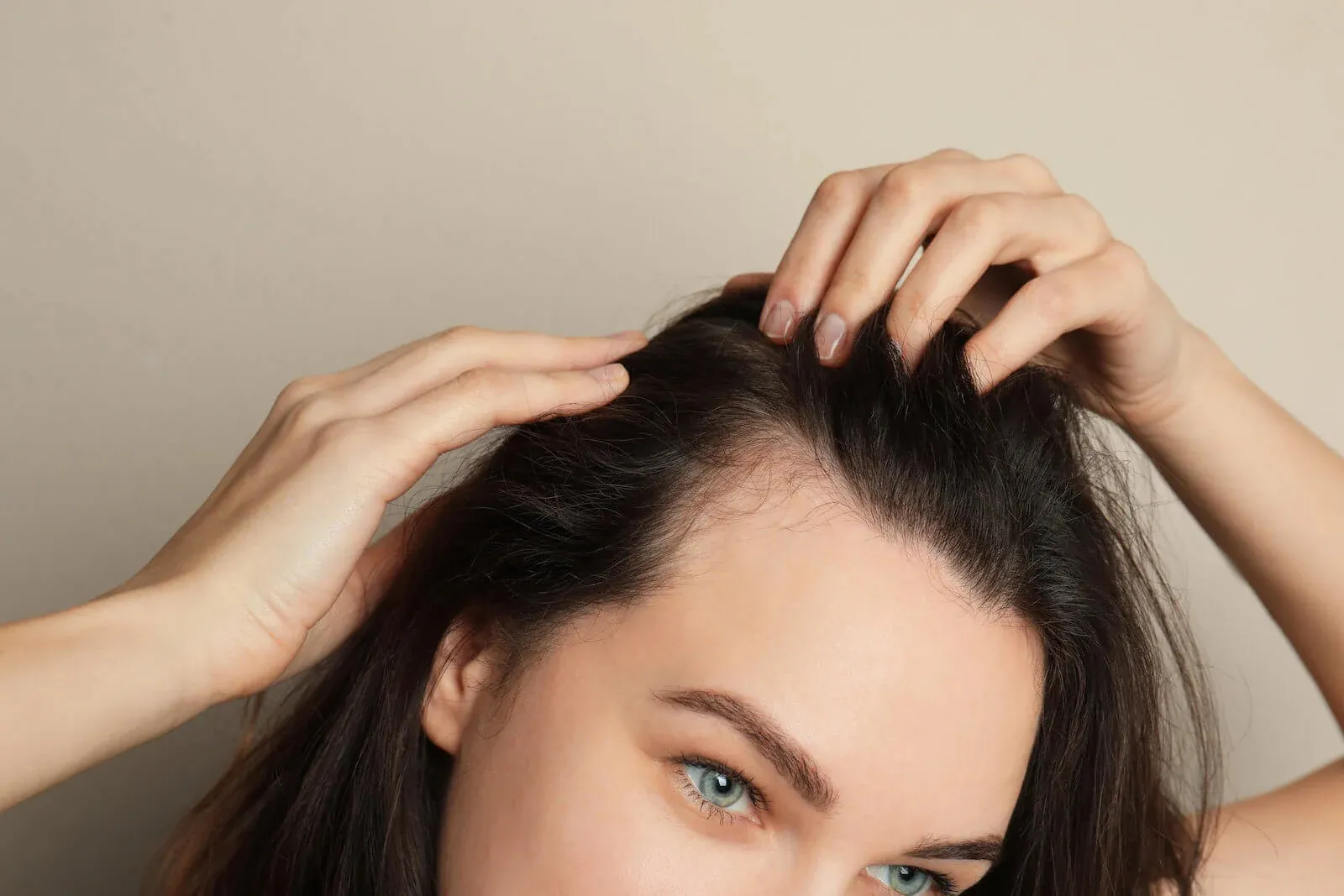

Healthy hair begins with a healthy scalp. While many people focus on shampoos, conditioners, and styling products, the scalp itself often receives attention only when problems appear. Because the scalp is living skin, it can develop a range of conditions and diseases that affect both comfort and hair growth.
When the scalp becomes irritated, inflamed, or infected, hair follicles may struggle to function properly. Over time this can lead to thinning hair, excessive shedding, or even temporary hair loss. For many people in California searching online for solutions like “hair restoration near me,” understanding the connection between scalp health and hair growth is the first step toward improving their hair condition.
Several common diseases can impact the scalp, and recognizing the symptoms early can help prevent long-term follicle damage.
Seborrheic Dermatitis
Seborrheic dermatitis is one of the most common scalp conditions. It often appears as flaky skin, redness, and persistent itching. Many people mistake it for simple dandruff, but seborrheic dermatitis can be more severe and difficult to manage.
This condition is linked to excess oil production and an overgrowth of yeast that naturally lives on the scalp. When the balance of the scalp environment changes, irritation and inflammation may occur. Inflammation around hair follicles can weaken the roots of the hair and contribute to increased hair shedding.
People living in busy cities such as San Francisco sometimes notice worsening symptoms due to environmental pollution, stress, and changes in weather conditions.
Scalp Psoriasis
Psoriasis is a chronic autoimmune condition that can affect many parts of the body, including the scalp. When it develops on the scalp, it creates thick, scaly patches of skin that may extend beyond the hairline.
These patches are usually accompanied by redness, irritation, and intense itching. Scratching the affected areas can sometimes cause temporary hair loss due to damage around the follicles.
Although psoriasis itself does not always cause permanent hair loss, long-term inflammation can disrupt the normal hair growth cycle. Managing scalp psoriasis typically requires a combination of medical treatment and gentle scalp care practices.
Alopecia Areata
Alopecia areata is another disease that directly affects hair follicles. It is an autoimmune condition where the immune system mistakenly attacks healthy hair follicles, causing hair to fall out in small circular patches.
This condition can appear suddenly and may affect individuals of any age. Some people experience complete regrowth of their hair, while others may have recurring episodes of hair loss.
Experts believe genetics, stress, and immune system triggers can all contribute to the development of alopecia areata. While the condition can be unpredictable, early consultation with scalp care professionals may help manage symptoms and encourage regrowth.
Fungal Scalp Infections
Fungal infections of the scalp, commonly known as tinea capitis or scalp ringworm, can also affect scalp health. These infections occur when fungi invade the hair shaft and surrounding scalp skin.
Common symptoms include itching, red patches, brittle hair, and small bald areas on the scalp. In more severe cases, inflammation may lead to swelling or tenderness.
Although these infections are more common in children, adults can also develop them. Prompt treatment is important because untreated infections can damage hair follicles and lead to more serious scalp complications.
Folliculitis
Folliculitis occurs when hair follicles become inflamed or infected. This condition often appears as small red bumps around hair follicles and may resemble acne on the scalp.
It can be caused by bacteria, yeast, irritation from hair products, or excessive oil buildup on the scalp. When folliculitis becomes chronic, it may weaken follicles and interfere with healthy hair growth.
Individuals who frequently use heavy styling products or experience excess scalp oil may be more likely to develop this condition.
How Scalp Diseases Affect Hair Growth
Hair follicles rely on a balanced scalp environment in order to grow healthy strands. Inflammation, infection, and immune responses caused by scalp diseases can disrupt this delicate environment.
When the scalp is inflamed, blood circulation around follicles may decrease, and the follicles themselves may become weaker. This can cause hair to grow more slowly or fall out more easily.
Addressing scalp health issues early is one of the most effective ways to protect hair growth and prevent long-term damage.
The Importance of Professional Scalp Care
Modern hair wellness treatments increasingly focus on scalp care rather than just hair styling. Maintaining a clean, balanced, and well-nourished scalp helps create the ideal environment for hair follicles to thrive.
Professional scalp care treatments often include deep cleansing, gentle exfoliation, scalp hydration, and circulation-boosting massage. These treatments remove buildup and help restore balance to the scalp.
For individuals in the Bay Area seeking specialized scalp care, many clients visit professional head spa services such as Sunday Headspa, known for its focus on scalp rejuvenation and hair wellness treatments.
Maintaining Long-Term Scalp Health
Although some scalp diseases require medical treatment, maintaining proper scalp care habits can help reduce the risk of many common issues. Simple practices such as using gentle hair products, avoiding excessive product buildup, and keeping the scalp clean can support long-term scalp health.
Listening to early warning signs like itching, flaking, or unusual hair shedding can also help individuals seek care before the condition becomes more serious.
Final Thoughts
The scalp is the foundation of healthy hair growth. Diseases such as seborrheic dermatitis, psoriasis, alopecia areata, fungal infections, and folliculitis can disrupt this foundation and affect hair health.
Understanding these conditions allows individuals to recognize symptoms early and seek appropriate care. By combining medical guidance with consistent scalp maintenance, it is possible to protect the scalp environment and support stronger hair growth over time.
For those in California, particularly in the San Francisco region, prioritizing scalp health through professional treatments and proper care routines can make a meaningful difference in maintaining healthy hair.