

Although it seems a lie, these electricians will say goodbye soon
Several electric cars will not arrive by 2027 after a movement in the industry that forces brands to rethink their strategy

The enthusiasm for electric cars is still there, but the pace is no longer the same. Brands are adjusting plans, reviewing investments and, in some cases, directly downgrading projects that recently seemed safe.
Read also: The Porsche 911 GT3 could give the jump to a big turbo
The market changed faster than anticipated. Demand did not grow at the expected rate, some incentives disappeared and development costs remain high.
You can read: Hyundai bet the impossible on the IONIQ 9 2027
In that context, several electric models already have a dismissal date, even before they are consolidated.
Projects that didn't even get off the ground
Some of the most striking decisions come from Honda. The Japanese firm chose to cancel the electric Acura RSX before it could settle. This SUV promised all-wheel drive, dual engine and a quite sporty approach, but the scenario did not support it.
Something similar happened with the Honda 0 Series, a family of models that included sedans and SUVs with new-generation technology. The brand itself recognized that launching them at this time implied a financial risk that was difficult to assume.
Models that turn off after a time
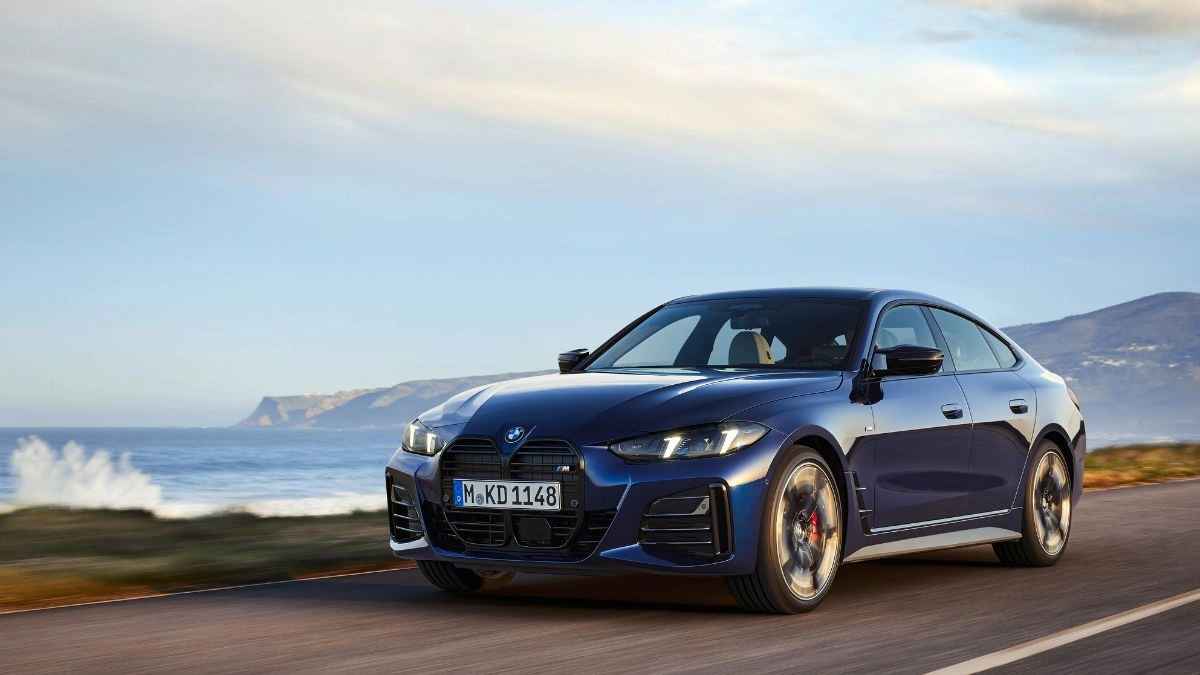
The BMW i4 also enters the list of farewells. Although it was one of the most interesting electric vehicles in its segment, its cycle will close between 2025 and 2026. BMW's strategy now points to more modern platforms.
Another important case is the Chevrolet Bolt. This model managed to position itself as one of the most popular accessible electric, but General Motors already decided that its stage will end around 2027. The company is seeking to reorganize production and focus on other segments.
There are also movements in Korea. The Hyundai Ioniq 6 lost commercial momentum, especially after changes in incentives. The standard version will not continue, although more sporty variants could be maintained.
The Kia Niro EV, one of the electric pioneers of the brand, also is saying goodbye. It never reached strong sales figures and the brand decided to redirect resources towards other more competitive models.
Luxury is not saved
Not even the exclusive brands are immune to this adjustment. Lamborghini decided to cancel the Launcher, its ambitious electric project. The reason was direct, the demand was practically non-existent and continuing did not make economic sense.
The Sony Afeela project, developed together with Honda, was also on indefinite pause. Despite the initial expectation, the reality of the market forced to rethink priorities.
Other names such as the Volkswagen ID.4 or the Volvo EX30 also face changes in their production according to the market. In parallel, models such as the Hyundai Kona EV enter a temporary pause due to excess inventory.
All this doesn't mean that the electric car is in a retreat, rather reflects a stage of adjustment where brands seek balance between innovation, real demand and profitability.