

Attention: California will start fining driverless cars
California will allow sanctioning autonomous vehicles very soon and require new safety measures for operators
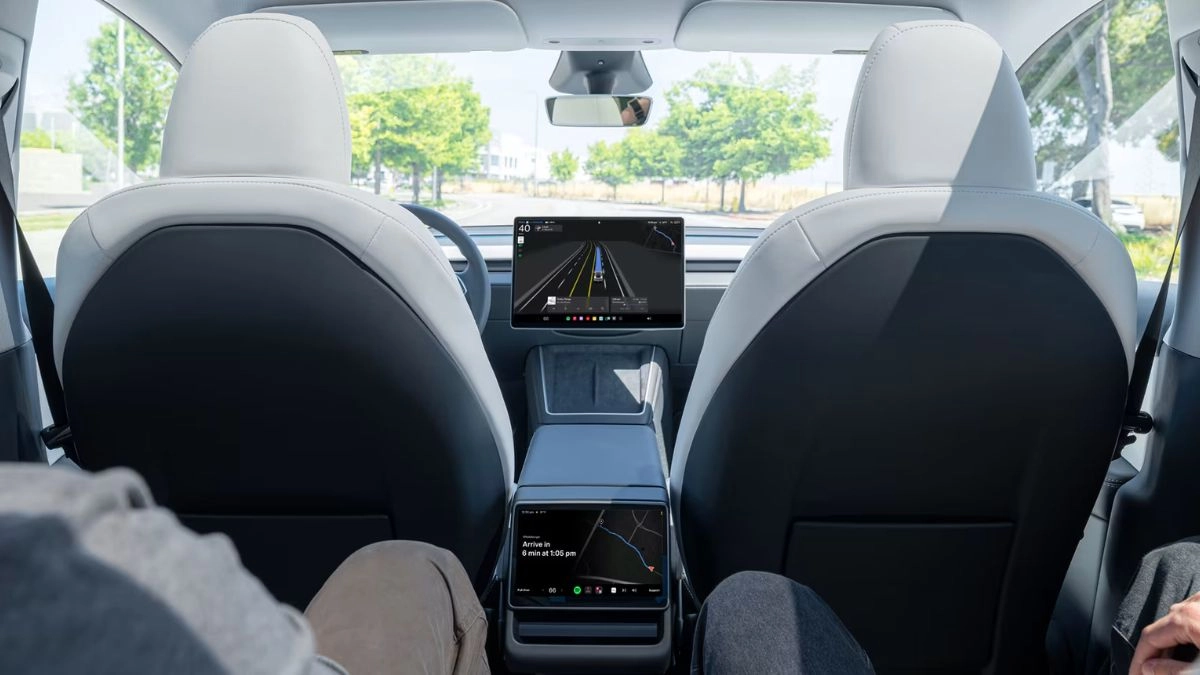

The streets of California are increasingly accustomed to seeing vehicles that circulate without anyone at the wheel. What until a while ago seemed a futuristic scene is already part of the daily traffic in several cities of the state. Now, the authorities want to make it clear that this technology must also respond when it violates the rules.
Read also: “Luxury is in you”, the campaign with Hispanic seal by Genesis
Beginning July 1, 2026, the Californian police will be authorized to issue sanctions directly against autonomous vehicles that commit traffic violations. nsito. The decision arrives after the approval of Bill 1777, a new legislation that seeks to order the growth of this type of transportation and to reinforce road safety.
You can read: Opel Corsa GSE, the electric sports that the US will not see
The measure targets especially fleets operated by companies such as Waymo or Zoox, whose vehicles already circulate regularly in different secs urban tores. The main change is that officers will no longer need to physically stop the car to record the infraction.
This will work fines
The new system creates a specific mechanism for this type of vehicles. When an autonomous car does not comply with a traffic regulation, the agents will be able to record data such as the time, location,and license plate of the vehicle.
That information will be subsequently sent to the California Department of Motor Vehicles, known as DMV, which will notify the operator responsible for the unit.
The new regulations also solve one of the major practical problems of this technology. Until now there was the doubt of how to penalize a car that doesn't have a driver and can continue circulating without stopping. With this model, the responsibility will fall directly on the operating company.
Furthermore, in the case of an accident where the autonomous vehicle is responsible, the company must send a representative to the scene of the incident to collaborate with the authorities and immediately address the situation.
More requirements for emergency situations
Bill 1777 is not limited solely to traffic fines. The law also incorporates new obligations related to police emergencies and operations.
Companies must have an exclusive telephone line to respond to incidents and queries from firefighters, police or rescue teams. This is also They will be required to implement two-way communication systems so that first responders can talk to human operators in real time.
Another of the key points is related to the restricted zones due to accidents, fires or police investigations. Autonomous vehicles d They will automatically respect geographical blockades and react in less than two minutes when there are street closures or restricted areas.
The measure appears after several complaints registered in American cities, where some robotaxis ended up interfering in emergency procedures.
More testing and monitoring for companies
The new legislation also raises the requirements for companies that want to expand operations with autonomous vehicles.
Depending on the size and weight of the car, operators will need to demonstrate up to 500,000 testing miles before receiving additional authorizations to expand their services.
Companies will also have to deliver annual plans on interaction with emergency teams and comply with stricter technical reporting and transparency standards.
The authorities consider that these measures are necessary after several incidents that put under the magnifying glass the reliability of some autonomous driving systems. Califo rnia, which today is one of the main laboratories of this technology in the world, wants to maintain the development of innovation, but with much clearer rules for everyone.