

Gasoline in the US at $3.90: will prices continue to fall? This is what the experts say
Although gasoline prices are declining following US-Iran negotiations, they are still above pre-war lows
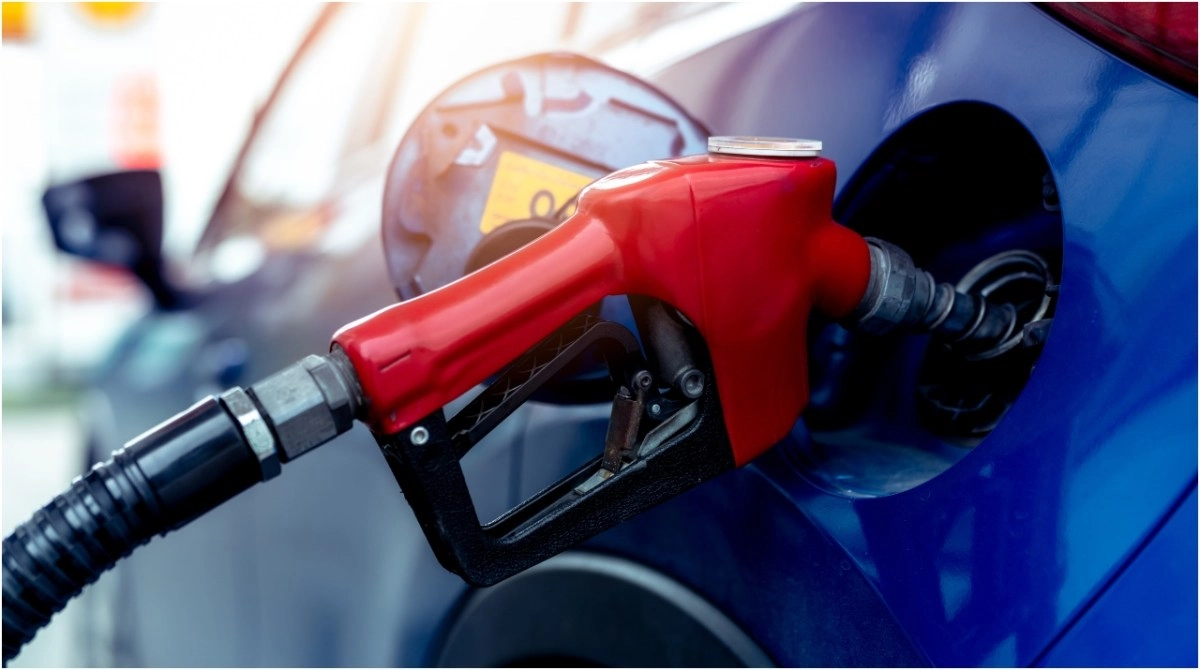

Following the preliminary agreement between the United States and Iran with the reopening of the Strait of Hormuz, both oil and gasoline prices have been reduced in recent weeks, the latter being a positive factor for the budgets of American households that were already paying up to $6 at the pumps in some states; However, despite the decrease, many still wonder whether costs will continue to fall or not.
According to the American Automobile Association (AAA), for this Tuesday, June 23, 2026, the national average price of gasoline is $3.92 a gallon, representing a drop of 13.6% compared to last month; However, they are still above the levels of February before the war with Iran, which stood at $2.90 per gallon.
The AAA report also highlights that mid-grade gasoline is $4.42; the premium one is $4.80, the diesel is $5.00 and the E85 is $3.01. Although there are still states, such as California, Nevada, Oregon, Idaho, Washington, Alaska and Hawaii, where the cost of fuel fluctuates between $5.56 and $4.18 per gallon.
The opinions of analysts and experts on the subject are diverse; There are some who consider that gasoline prices in the United States will be established in the middle of next year, while others point out that everything will depend on the negotiations that will take place with Iran in the coming weeks.
For Patrick De Haan, oil expert at GasBuddy, the price of gasoline could continue to fall. “One factor that could improve that timeline is if Iran is allowed to sell oil on the markets again, which could accelerate the recovery of global oil reserves,” he said.
But De Haan also expressed that the outlook is far from being defined, especially due to instability in the strait, as it could drive up oil prices in the coming days. "Despite this, gasoline prices are not yet at significant risk of skyrocketing, as some vessels have continued to transit the strait. However, if the situation worsens or worsens, motorists could see that risk change rapidly," he noted.
For his part, Tyler Schipper, an economics professor at the University of St. Thomas, Minnesota, commented: “I suspect we will see a continued decline in gasoline prices over the next few weeks, but at some point this will slow down,” he told ABC News.
For Tom Seng, professor of energy finance at Texas Christian University, the key is in the Strait of Hormuz. "There is a perception that there are millions of barrels of crude oil stored in tankers upstream of the strait. The more that can get there, the better," he said.
Finally, for this Tuesday, the price of the international benchmark Brent oil is between $77.90 and $78.15 per barrel, and the US benchmark West Texas Intermediate crude oil is at $73.15 per barrel.