
California wants to put a price on the lack of transparency on social media: up to $5,000 per violation for influencers who receive money from political campaigns and do not inform their audience.
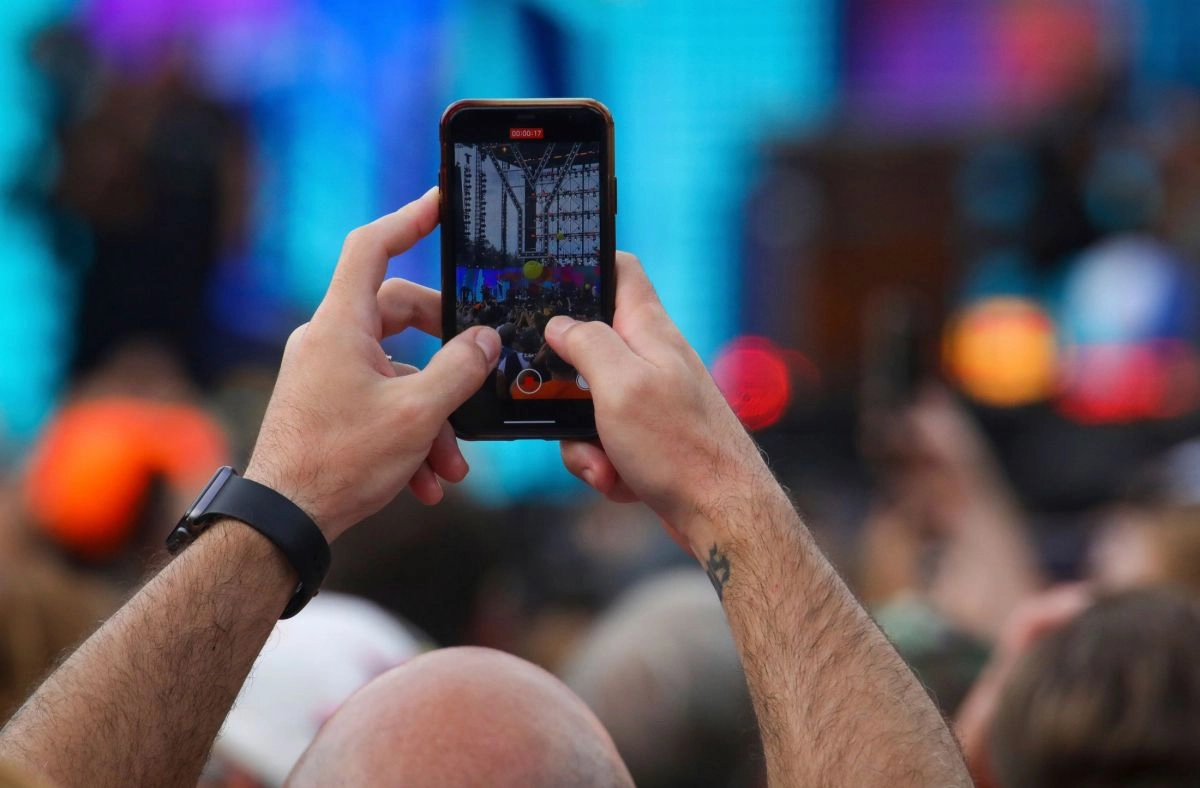
The proposal comes amid the growing use of political influencers to reach voters through Instagram, TikTok and other platforms. According to a Fortune report, the bill presented by Democratic Assemblyman Marc Berman would allow the California Fair Political Practices Commission to directly impose sanctions, without first having to initiate a judicial process.
California wants to know who pays for the messages
Since 2023, the state has already had a law that requires creators to reveal when they receive payments for political content. The problem is that enforcing it can take months, because authorities must go before a judge to demand disclosure.
The new project seeks to change that procedure. “Voters should have the right to know whether or not campaigns are paying for the messages they see,” Berman said, quoted by the AP.
The debate gained momentum during the California gubernatorial campaign. Influencer Shaka Smith, with more than 700,000 followers, posted content supporting Tom Steyer and made it clear from the beginning that it was a paid advertisement. Smith said he received thousands of dollars for two publications and defended the collaboration because, he said, his followers trust his opinion.
The challenge: regulate without hitting small creators
Not all influencers are convinced that fines are the best solution. Southern California creator Dustin Torreverde warned that a penalty could pose a serious problem for those with small audiences and few resources.
Even so, specialists in electoral transparency consider that the growth of political advertising on social networks makes clear regulation increasingly necessary. Saurav Ghosh, a lawyer at the Campaign Legal Center, summed up the argument in one sentence: “Transparency is one of the most important pillars of our electoral system.”
California is not alone in this discussion. Texas already requires ads for paid political content and New York is considering a similar measure, while at the federal level there is still no equivalent rule.