

Don't trust: in Florida they fine for radio volume
Florida has clear rules about the volume of music in cars and breaking them can cost you a hefty fine.
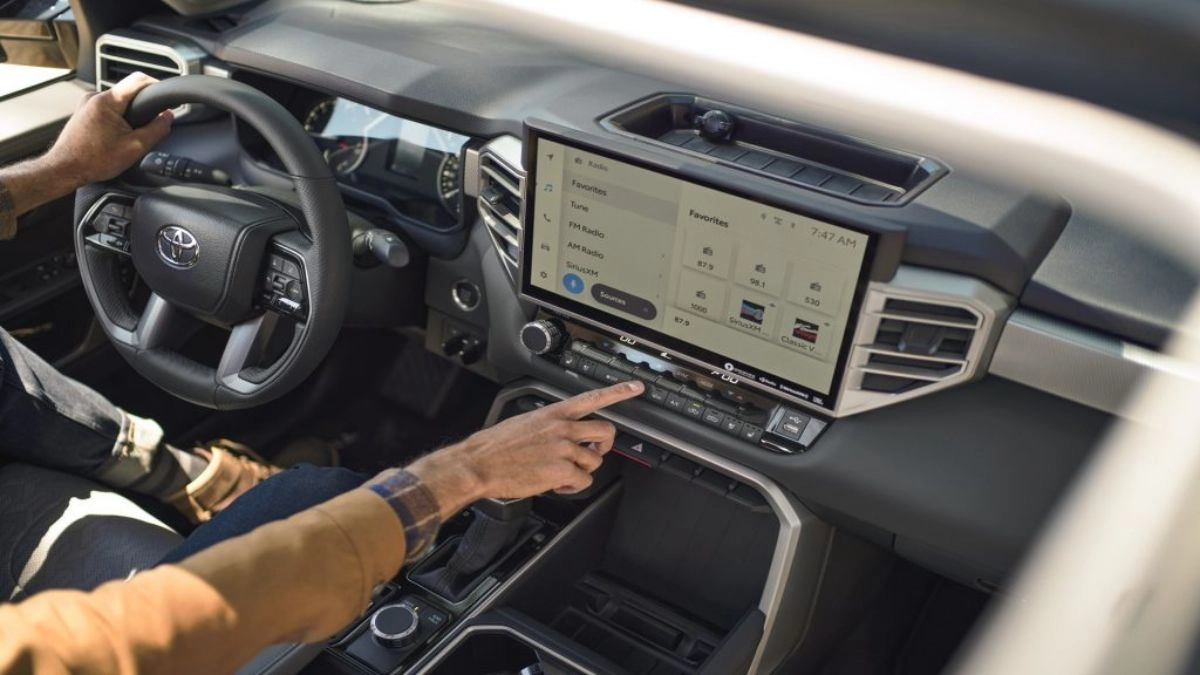

There are drivers who don't understand a trip without loud music. Windows down, powerful bass and a playlist playing at full volume while They travel through Miami, Orlando or Tampa. The problem is that in Florida this custom can end in a rather uncomfortable police stop.
Read also: Tesla says goodbye to two cars that changed the industry
Although many people don't know it, the state has specific rules against excessive noise inside vehicles. And yes, that includes radio volume, subwoofers and any sound systems that draw too much attention.
You can read: Ford presents the most patriotic Mustang in its history
The law seeks to reduce annoyances on residential streets and crowded areas, something that has been gaining increasing importance in cities where noise complaints increased considerably in recent years.
The 25 foot rule
The regulation that regulates this situation is Florida Statute 316.3045. Basically, it establishes that the sound emitted from a vehicle cannot be heard clearly at a distance of 25 feet, equivalent to about 7.6 meters.
There is no need for an officer to use special devices to measure decibels. If from that distance you can distinguish the music, the rhythm, or even part of the lyrics of a song, there is already sufficient reason to issue a violation.
The rule does not depend on whether the car is stopped or driving. It also doesn't matter whether the windows are open or closed.
Not only applies to radio
Many believe that the law targets only modified sound equipment, but the scope is quite broader.
Florida includes practically any device capable of playing audio inside the vehicle. This includes traditional radios, cellphones, tablets, laptops, portable televisions and even musical instruments.
It doesn't matter if someone listens to rock, salsa, electronic, reggaeton or a sports podcast. What matters for the law is the level of noise perceived by people outside the car.
There are areas where control is tighter
The topic becomes even more sensitive in certain places. Authorities usually pay special attention to residential areas and sectors close to hospitals, schools or churches.
In those places, even a volume that does not clearly exceed the allowed distance can generate problems if ends up bothering neighbors or pedestrians.
Densely populated cities such as Miami, Hialeah and Orlando tend to receive more complaints related to noise pollution, which is why police surveillance also increases.
The fines are not exaggerated, but they are annoying
The infraction is generally considered a non-criminal traffic violation. Fines usually range between $100 dollars and $116 dollars, depending on the city and whether the driver has a similar background.
The problem appears when the misdemeanors are repeated. There the sanctions can become tougher and the situation ceased to be a simple economic displeasure.
Florida has been strengthening its stance against vehicular noise in general. The authorities also made progress against modified exhausts and unnecessary accelerations that generate noise pollution.
Avoid problems
The simplest way to not draw attention is still pretty obvious. If someone outside the vehicle can clearly follow the song you're listening to, the volume is probably too loud already.
It is also a good idea to be careful with aftermarket amplifiers and very powerful subwoofers, because they are usually the main focus of fines.
In the end, enjoying music while driving is not prohibited in Florida. What the state is trying to prevent is that the entire neighborhood ends up listening to the same playlist.