

Facebook will send a second round of payments of $725 million
Thousands of Facebook users could receive a second payment from the $725 million privacy settlement. We tell you dates and requirements
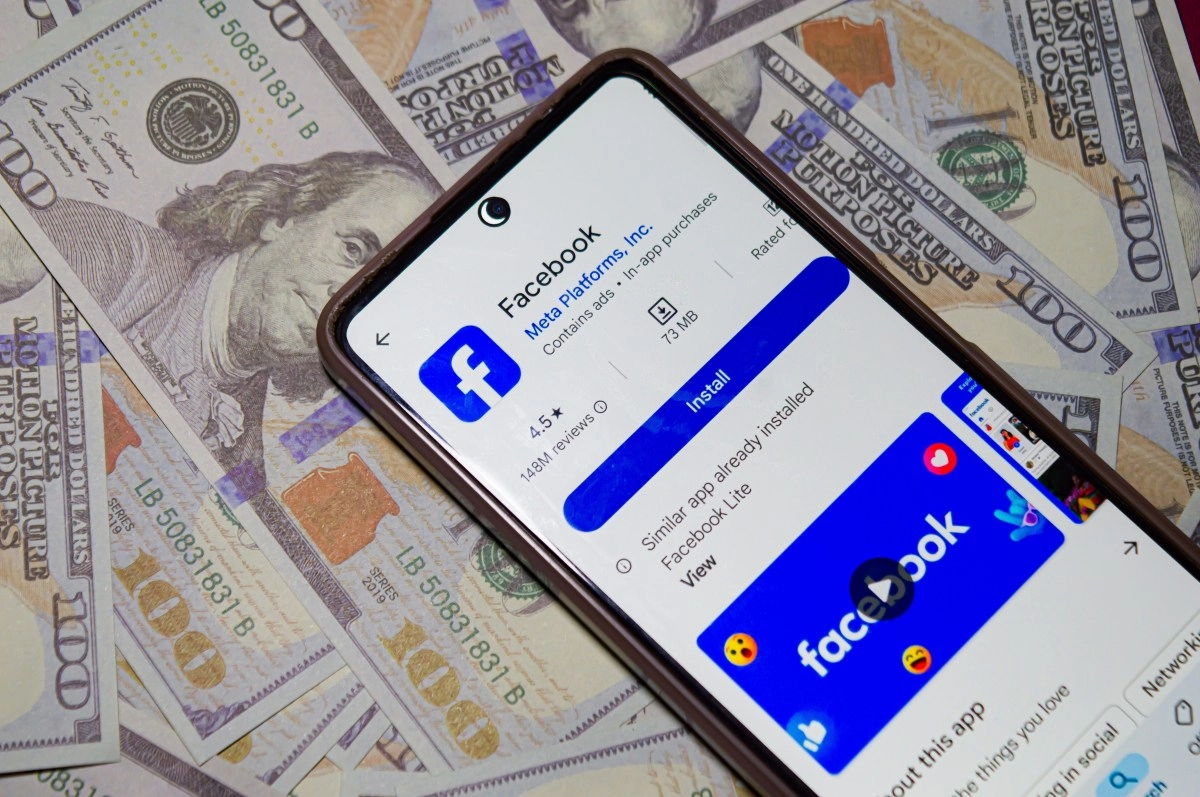

Thousands of people who received money from Facebook's privacy settlement could see a deposit again in the coming weeks. The new distribution is part of the $725 million fund created to resolve a class-action lawsuit against the platform and will only benefit certain claimants who have already collected their initial compensation.
Facebook's parent company, Meta, agreed to the million-dollar payment to end several lawsuits related to the handling of users' personal data. Although the company rejected the accusations and did not admit any responsibility, the agreement made it possible to compensate those who were eligible within the judicial process.
The controversy has its origins in the Cambridge Analytica case, which came to light in 2018. The scandal raised questions about the way in which the social network shared user information with third parties, including advertisers and companies dedicated to data analysis and commercialization.
Why will there be a second payment from the Facebook agreement?
The new round of payments does not come from additional money contributed by Meta. According to information released by the settlement administrators, the court authorized a second distribution using funds that were not claimed during the first phase of payments.
In other words, some of the money initially sent was never collected by some beneficiaries. Those resources returned to the administrator of the agreement and will now be redistributed among the people who did receive and correctly collect their first payment. This measure seeks to ensure that available funds reach eligible claimants, rather than remain unspent.
Who can receive this new deposit?
Not everyone who filed a claim will automatically be included in this second distribution. According to the administrator of the agreement, the new payments will be directed to those who successfully collected the money received during the first round.
Users who meet the requirements are being notified via email. The subject of the message sent to beneficiaries is: “Facebook User Privacy Agreement: Update on the agreement and the status of the second payment.”
If a person has questions about their eligibility, they can contact the settlement administrator via official email and provide their claim ID number to verify their situation.
When will the second payments begin?
Distribution of the new deposits is scheduled to begin June 9. The process will not be carried out in a single day, but will take approximately four weeks. Additionally, administrators reported that recipients will receive additional notification shortly before the money is sent.
"You will receive additional email notice approximately 3-4 days before your additional settlement payment is issued. Please continue to check your email during this period," the settlement administrator said in a message sent to eligible users.
How much money will be received in this second round?
The official website of the agreement has not published estimated amounts for this new distribution. However, because the money comes only from payments not collected during the first phase, the amounts are expected to be less than those initially awarded.
The first disbursements began to be sent in September 2025. According to court documents, the average payment was $29.43 per person.
On that occasion, the final amount depended on several factors, including the time that each user kept their Facebook account active within the period contemplated by the agreement and the total number of approved claims.
What to do if you expect another payment
Users who believe they are eligible do not need to submit a new application. The process is being managed directly by the administrators of the agreement.
The main recommendation is to keep an eye on official emails related to the case. It is also important to be wary of suspicious messages that request personal information, banking details or payments to release funds, as these could be attempted fraud.