

Tesla faced competition from China with its robotaxi
Xpeng presented the GX robotaxi, an autonomous SUV that relies on cameras and artificial intelligence instead of LiDAR radars
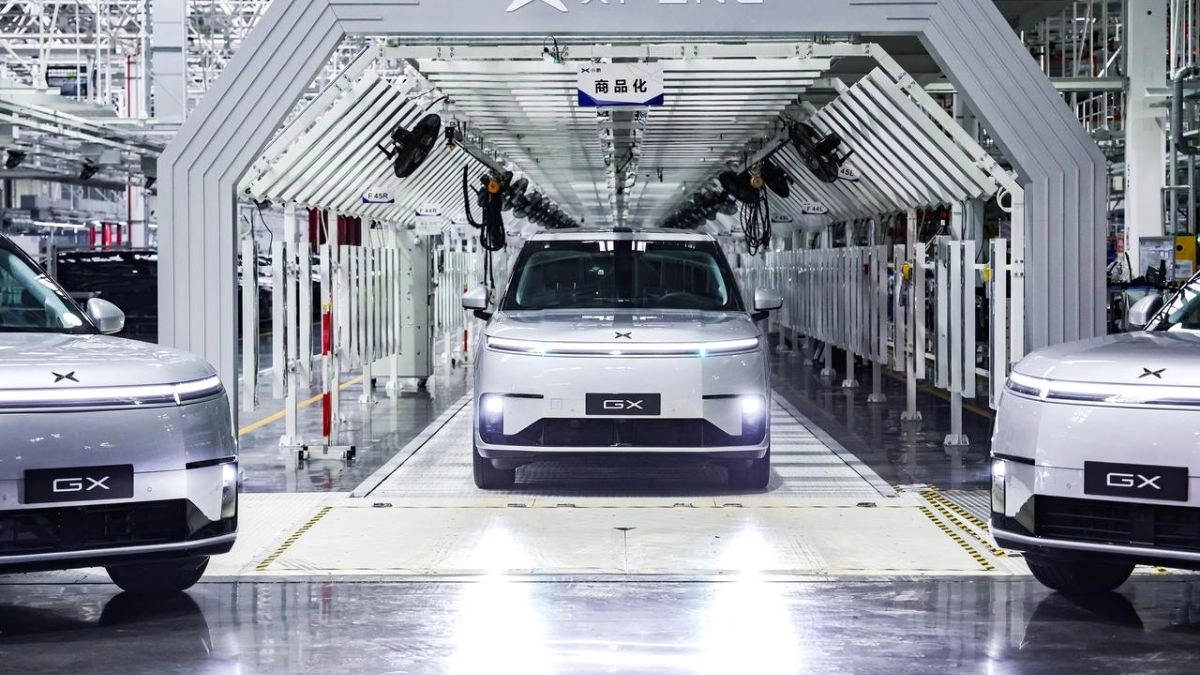

The race to dominate the robotaxis business has just added a new strong protagonist from China. Xpeng officially showed the GX, an autonomous SUV with which it seeks to fully enter one of the most ambitious markets in the current automotive industry.
Read also: BMW Alpina Vision Concept revives luxury with V8 engine
Far from creating an entirely new vehicle from scratch, the company chose a much more practical path. It took one of its existing SUVs and transformed it into a platform ready to operate without a driver under certain conditions. This strategy would allow it to reduce costs, accelerate development and gain time against rivals that are still fine-tuning more complex projects.
You can read: Ferrari HC25, the most retro and radical one-off from Maranello
The move also makes it clear that Xpeng wants to compete directly against heavy names like Tesla, Waymo or Geely in the field of autonomous driving.
An SUV prepared to operate without a driver
Xpeng's new robotaxi incorporates Level 4 autonomy technology, meaning it can travel completely autonomously on specific routes and under certain operating conditions.
To achieve this, the brand developed a system based on four Turing artificial intelligence chips manufactured by the company itself. According to Xpeng, the combined processing capacity reaches 3,000 TOPS, a key figure for interpreting the environment and reacting in real time.
The SUV also incorporates electronic steering and an architecture designed to operate as an autonomous transportation service.
The big difference compared to other robotaxis
One of the most striking details of the project is that Xpeng decided to do without LiDAR sensors, a technology used by a large part of the companies that develop autonomous vehicles.
Instead of laser radars and high-definition maps, the GX relies on a system based mainly on cameras and advanced artificial intelligence models.
The decision has a fairly clear logic. Removing LiDAR sensors helps significantly reduce hardware cost and simplifies vehicle production. The challenge, of course, is much greater from a technical point of view.
Camera-only systems require extremely advanced algorithms to detect pedestrians, interpret signs, recognize obstacles, and react correctly to rain, fog, or complex traffic situations.
Xpeng is already preparing the first real tests
The company confirmed that the pilot program will begin in China during the second half of 2026. In the first stage, the robotaxis will circulate with human supervisors prepared to intervene if an unexpected situation arises.
Xpeng's goal is to phase out that oversight and begin fully autonomous operations starting in 2027.
With this project, the Chinese brand seeks to position itself as one of the world leaders in artificial intelligence applied to the automobile.