

10 benefits of turmeric that you can take advantage of today
Turmeric can help reduce inflammation, add antioxidants and improve your meals. Know its benefits and precautions
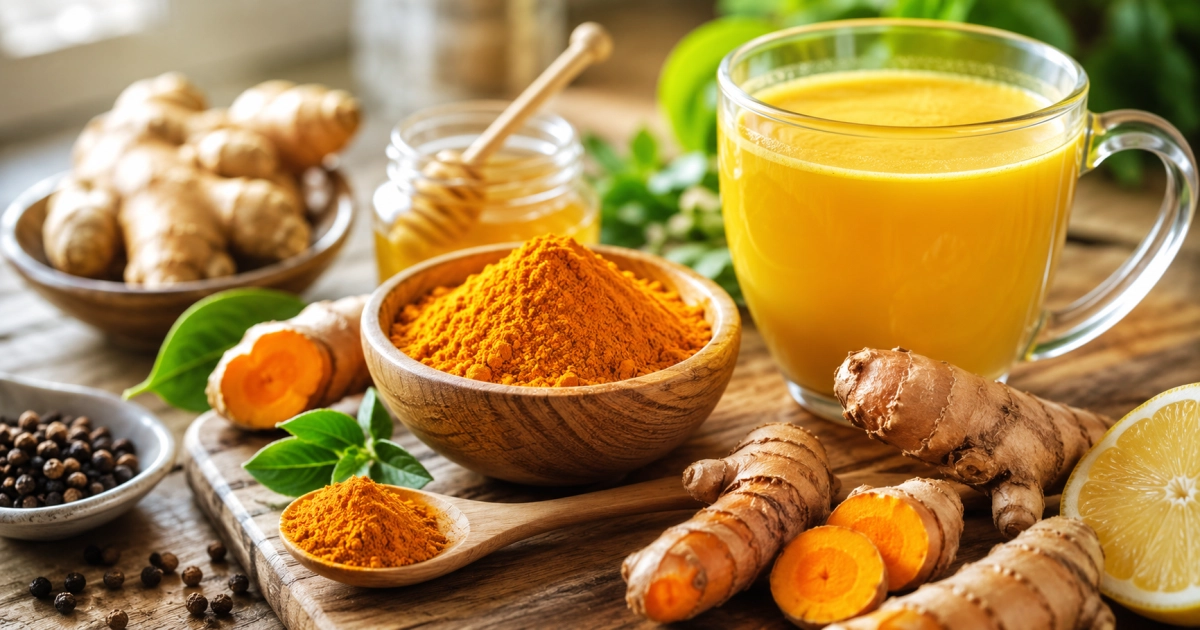

Turmeric is no longer just a typical spice in Indian cuisine to become one of the most sought-after ingredients for those who want to improve their diet in a simple way. Its intense yellow color comes from curcumin, a natural compound that is studied for its possible anti-inflammatory and antioxidant effects.
But it is worth starting with an important clarification: turmeric does not replace medications, medical treatments or a healthy diet. Nor does it magically “deflate” the body. The scientific evidence is stronger in some uses—such as mild joint pain or inflammatory markers—and still preliminary in others. The NIH's National Center for Complementary and Integrative Health warns that there is little reliable clinical evidence for using turmeric as a treatment for specific diseases, although it does acknowledge that curcumin is actively researched.
That said, used as part of everyday cooking, turmeric can be a simple tool to add flavor, color, and bioactive compounds to your meals. These are 10 possible benefits and concrete ways to take advantage of it today.
May help reduce inflammation
The most well-known benefit of turmeric is associated with curcumin, a compound with anti-inflammatory activity in laboratory studies and small clinical trials. Harvard Health notes that curcumin has shown promising results for some people with osteoarthritis pain, although it should not be considered a universal solution or substitute for medical treatments.
A practical way to use it is to add half a teaspoon of turmeric to soups, stews, rice, scrambled eggs, or sautéed vegetables. The goal is not to take huge doses, but to incorporate it consistently into a broader anti-inflammatory diet.
You can see: What happens to your body when you eat eggs frequently: benefits, risks and how much is too much
Provides natural antioxidants
Curcumin is also being investigated for its antioxidant capacity, that is, its potential to help the body cope with oxidative damage. The Mayo Clinic explains that curcumin has antioxidant and anti-inflammatory properties, although many of its possible uses are still under study.
To make better use of it, you can add it to preparations with vegetables, legumes, olive oil or nuts. There's no need to get complicated: a pumpkin cream with turmeric and black pepper can already be a good option.
May relieve mild joint discomfort
Some research has observed that curcumin could help reduce symptoms such as pain or stiffness in people with osteoarthritis, especially of the knee. Harvard Health reviewed a study in which curcumin and diclofenac were compared in people with knee osteoarthritis, although more studies are needed to define dosage, duration, and real benefits in different patients.
This does not mean that you should abandon an indicated treatment. But it may be reasonable to include turmeric in meals if you are looking for a diet richer in anti-inflammatory compounds.
It can make your meals more nutritious
One of the most specific benefits of turmeric is culinary: it improves the flavor of simple dishes without the need to add excess salt, sugar or ultra-processed sauces. That point matters a lot because many health improvements do not come from a “superfood,” but from cooking more and depending less on industrial products.
You can use it in rice, chicken, fish, lentils, chickpeas, tofu, soups, baked vegetables or homemade dressings. It also pairs well with ginger, cumin, garlic, lemon and black pepper.
May support a heart-friendly diet
Mayo Clinic notes that some research suggests that curcumin could help reduce cholesterol and triglycerides, although this is not a closed medical use nor sufficient on its own to treat cardiovascular problems.
The most sensible use is to add turmeric to a healthy eating pattern: more fruits, vegetables, legumes, fish, whole grains and good quality fats. If a person has high cholesterol, hypertension, or heart disease, they should follow their doctor's orders.
May promote digestion in some people
In culinary amounts, turmeric can help flavor light and spicy foods. Some people use it in infusions or hot preparations after eating. However, not everyone likes it: The NIH warns that taking turmeric by mouth can cause heartburn, upset stomach, nausea, diarrhea, or constipation in some people.
If you have gastritis, reflux, gallstones, liver disease or take medication, it is advisable to consult before using concentrated supplements.
You can see: 5 rules to correctly freeze your food
May help reduce salt consumption
Turmeric has an earthy, warm, and slightly bitter flavor. Well combined, it can make simple foods tastier without relying so much on salt. This is useful for people trying to improve their blood pressure or maintain cardiovascular health.
A quick mix: turmeric, garlic powder, black pepper, cumin and a splash of olive oil. It is used to season baked vegetables, brown rice, chickpeas or chicken.
Can improve economical and healthy recipes
Turmeric is cheap, profitable and easy to store. That makes it an ally for transforming accessible foods such as lentils, rice, eggs, potatoes, soups or frozen vegetables.
A simple recipe: sauté onion, garlic, turmeric and pepper; add cooked lentils, tomato and a little broth. In a few minutes you have a tastier, satiating and fiber-rich meal.
It can be more effective if you combine it well
Curcumin is poorly absorbed on its own. That is why it is usually recommended to combine turmeric with black pepper and some source of fat, such as olive oil, avocado or natural yogurt. The piperine in pepper can increase the bioavailability of curcumin, although it can also modify the absorption of some medications.
This point is important: if you take anticoagulants, heart medications, diabetes, blood pressure or other treatments, it is not advisable to start curcumin supplements without consulting.
It can add well-being without major changes
The most immediate benefit of turmeric is not in taking expensive capsules, but in using it to cook better. If today you add it to a soup, rice, eggs, sauce or vegetables, you are already making a small and sustainable improvement.
The key is not to overdo it. Harvard Health indicates that turmeric and curcumin are generally well tolerated, but at high doses they can cause abdominal pain, nausea, or diarrhea. The NIH also warns that formulas modified to increase bioavailability could increase both desired effects and risks.
How to use turmeric today
You can start with ¼ to ½ teaspoon in hot foods. It works well in soups, rice, chicken, vegetables, legumes, omelettes, infusions or golden milk. To improve its use, combine it with a pinch of black pepper and a healthy fat.
Turmeric as a culinary spice is usually safe for most people. Concentrated supplements are another story: they can have higher doses, greater absorption, and more risk of interactions. Mayo Clinic warns that large doses can act as a blood thinner and increase the risk of bleeding, especially in people taking blood-thinning medications.
Who should be careful
People who are pregnant, taking blood thinners, have liver disease, gallbladder problems, bleeding disorders, severe reflux, or are undergoing surgery should consult before using turmeric or curcumin supplements. As a cooking ingredient, the risk is usually much lower, but it is still worth observing digestive tolerance.
The best conclusion is simple: turmeric can be a good ally in the kitchen, not a miracle medicine. Used judiciously, it can help you add flavor, antioxidants, and anti-inflammatory compounds to everyday foods. Used in excess or as a replacement for treatments, it can cause more problems than benefits.