
Choosing a hybrid vehicle is no longer just about looking for the lowest fuel consumption. Today's buyers also value space, comfort, technology and the driving experience. Even so, efficiency continues to be one of the most important factors when making a decision.
Read also: The best-selling car in the world is not electric nor is it Tesla
Among Japanese brands, the competition is especially interesting. Toyota, Honda, Subaru and Mazda have very different proposals from each other, although they all seek to attract drivers who want to reduce their visits to the gas station without giving up practicality.
You can read: What the traffic sign with a frog means in the United States
If the goal is to use as little fuel as possible, there is one brand that continues to stand out above the rest.
Toyota continues to be the reference
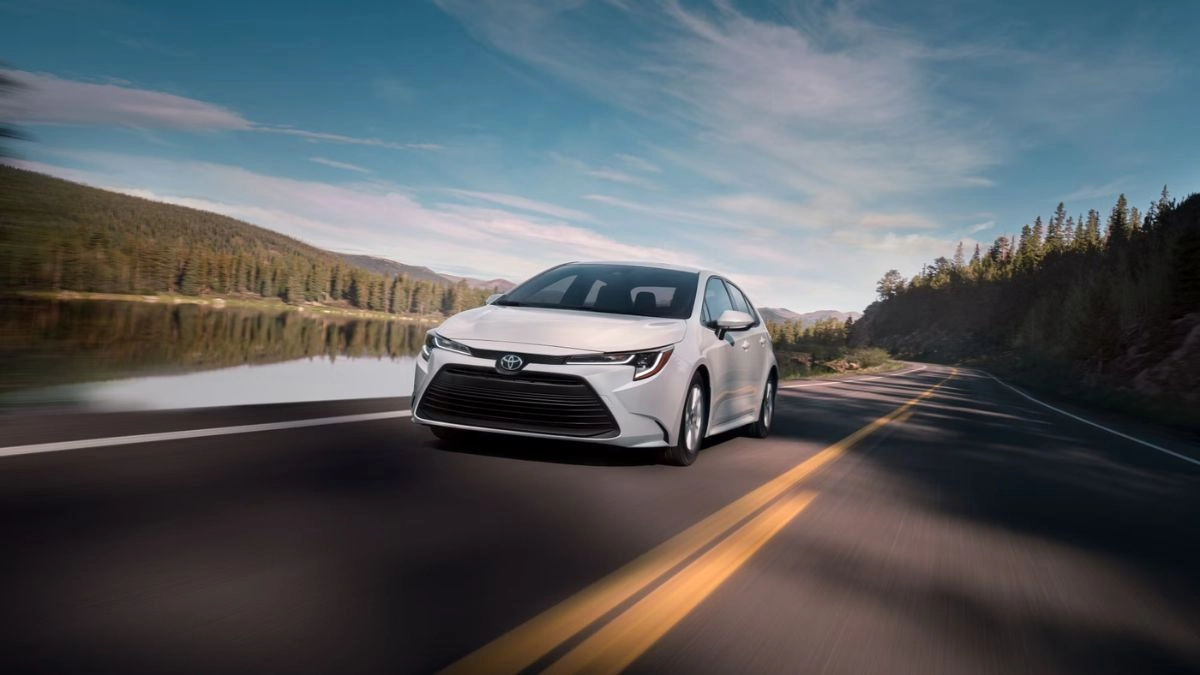
Toyota has managed to build a reputation that is difficult to match in the world of hybrids. Models like the Corolla Hybrid AWD and the Corolla Cross Hybrid once again demonstrate that the Japanese firm knows how to extract every drop of fuel.
Much of that success is due to the maturity of its hybrid technology. The brand has perfected its systems for decades and this is reflected in especially favorable figures on urban routes, where electric motors have a greater role.
For many American buyers, Toyota still represents the safest bet when efficiency is the top priority.
Honda bets on balance
Honda has found a different formula. Although their vehicles do not always top the consumption charts, they usually offer a very attractive balance between performance, interior space and dynamic behavior.
The CR-V Hybrid and Civic Hybrid are good examples of this philosophy. Both models combine low consumption with a more natural driving sensation, something that many users especially value on daily commutes and long trips.
That approach makes Honda one of the most complete alternatives for those looking for a versatile vehicle without focusing exclusively on numbers.
Subaru and Mazda play their own cards
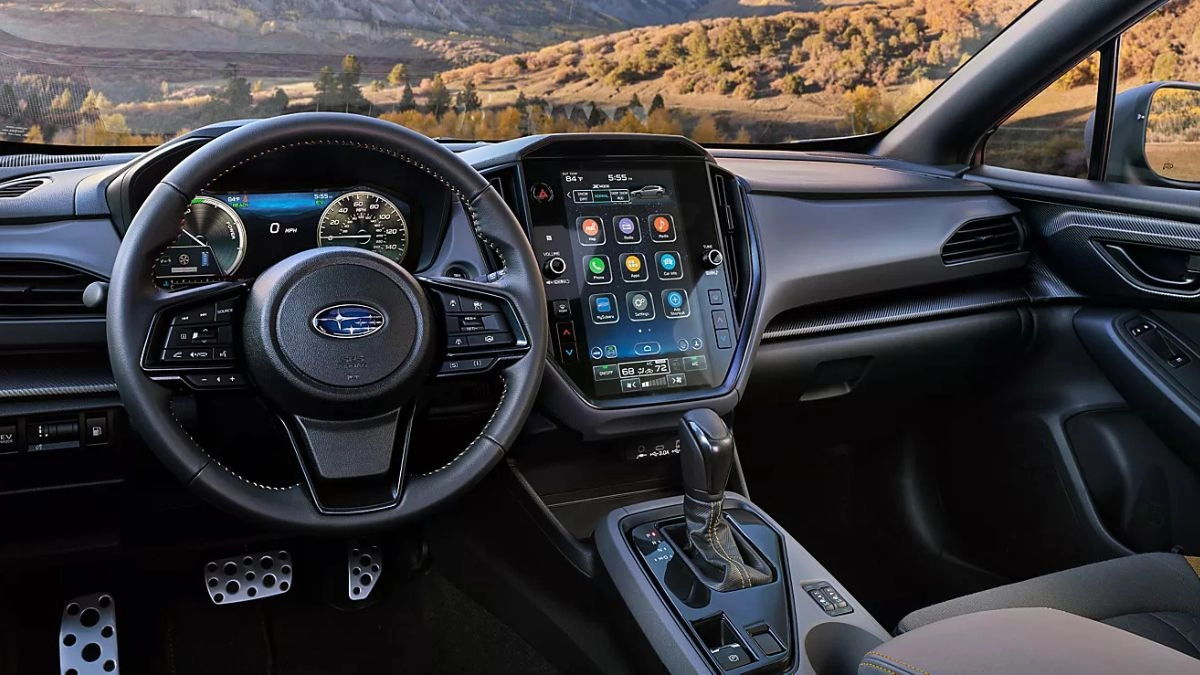
Subaru has been able to differentiate itself thanks to an element highly appreciated in certain regions of the United States, all-wheel drive. In many of its hybrids, this system is part of the main proposal and provides additional security in adverse weather conditions.
The Forester Hybrid stands out precisely for offering a balanced combination of efficiency, familiar capability and confidence on complicated surfaces. It may not be the absolute champion of consumption, but it is a very logical option for many drivers.
Mazda, for its part, is betting on a different strategy. The brand favors refinement, perceived quality and a more sophisticated driving experience. Its hybrids don't always seek to lead in fuel economy, but they compensate with better-finished interiors and a premium feel that many customers appreciate.
There is no winner for all
The conclusion is simple. Toyota continues to dominate when it comes to pure efficiency, especially around town. Honda stands out for its overall balance, Subaru provides the added value of all-wheel drive and Mazda distinguishes itself by offering a more refined experience.
Therefore, the best choice will depend on the needs of each driver. Anyone looking to maximize every gallon will probably end up looking at Toyota. Anyone who wants a balanced vehicle will find solid arguments in Honda.
Users facing difficult climates may be more attracted to Subaru, while Mazda will continue to win over those who value design and quality above all else.
The good news for buyers is that there has never been such a varied offering of efficient, capable Japanese hybrids adapted to very different lifestyles.