

Xiaomi swept away its electric car in less than an hour
Xiaomi achieves more than 15,000 orders in just 34 minutes and confirms that its automotive commitment goes far beyond a passing fad
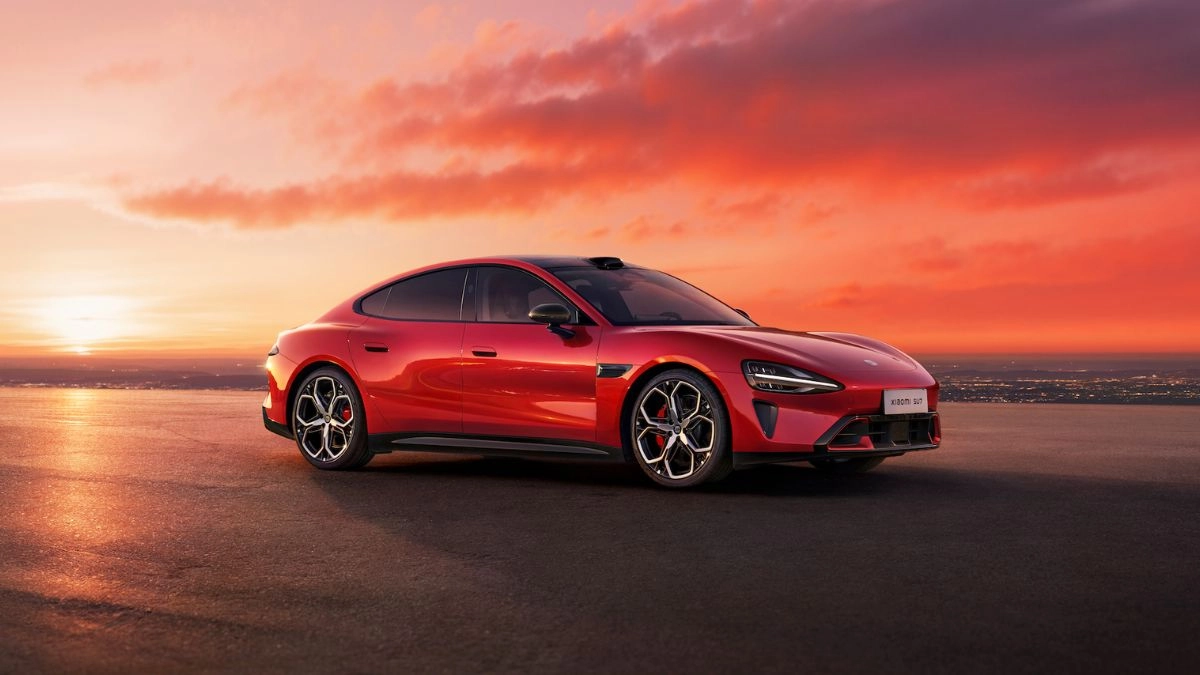

There are launches that go unnoticed and others that directly collapse demand. What Xiaomi has just done falls into this second category. Its new electric vehicle, the 2026 SU7, hadn't even settled in after its presentation and was already practically sold out.
The data speaks for itself. In just 34 minutes, the brand secured more than 15,000 orders.
What's interesting is that this response doesn't seem accidental. The company has managed to transfer to the automotive world something it already mastered in consumer electronics: generating anticipation and closing sales in record time.
A pace that surprises the industry
While many brands still depend on dealerships and more traditional processes, Xiaomi plays in a different league. Their strategy is direct, digital, and focused on volume from the very beginning. The initial forecast was to sell 16,000 units in a whole month, but the reality was quite different. In less than an hour, they were already close to that goal. For any manufacturer, this completely changes the landscape, especially in terms of production and logistics. These kinds of figures are also starting to unsettle the competition, who are seeing a relatively new player gaining ground at great speed. Technology that backs the enthusiasm. Beyond the media impact, the new model has solid arguments. The Xiaomi SU7 2026 maintains a familiar aesthetic, but improves where it really matters. The Pro version stands out for offering up to 902 kilometers of range under the CLTC cycle, a figure that places it among the most efficient on the market. The Max variant, meanwhile, uses a 900V architecture that allows it to recover up to 670 kilometers in just 15 minutes of charging. In terms of size, it competes in the same category as models like the BMW i5 or the Mercedes EQE, placing it squarely in the premium electric segment.
Price, the key to the phenomenon
If there's one thing that fully explains this success, it's the price. In China, the base model starts at around $30,000, a figure hard to ignore considering everything it offers.
The versions with greater range are around $34,000, which is still competitive against many rivals. To put it in context, in several markets that money barely buys a much more basic electric vehicle with less range.
That balance between performance and cost is probably Xiaomi's greatest success at this stage.
What's next
With this start, the brand is aiming high. Its Beijing plant already produces around 800 units daily, with the goal of reaching 16,000 per month in the short term. If demand remains strong, Xiaomi could exceed 400,000 deliveries in 2026, a figure that would solidify its position as a major player in the global industry. And that's without counting the new models already in development, including a large SUV that will expand its lineup. The next step will be Europe, where anticipation is already growing. If it replicates this formula, Xiaomi will not only sell cars, but could also change the way we understand its marketing.