

Sinaloa: sovereignty or complicity?
The US Department of Justice doesn't throw darts into the air when dealing figures of this caliber
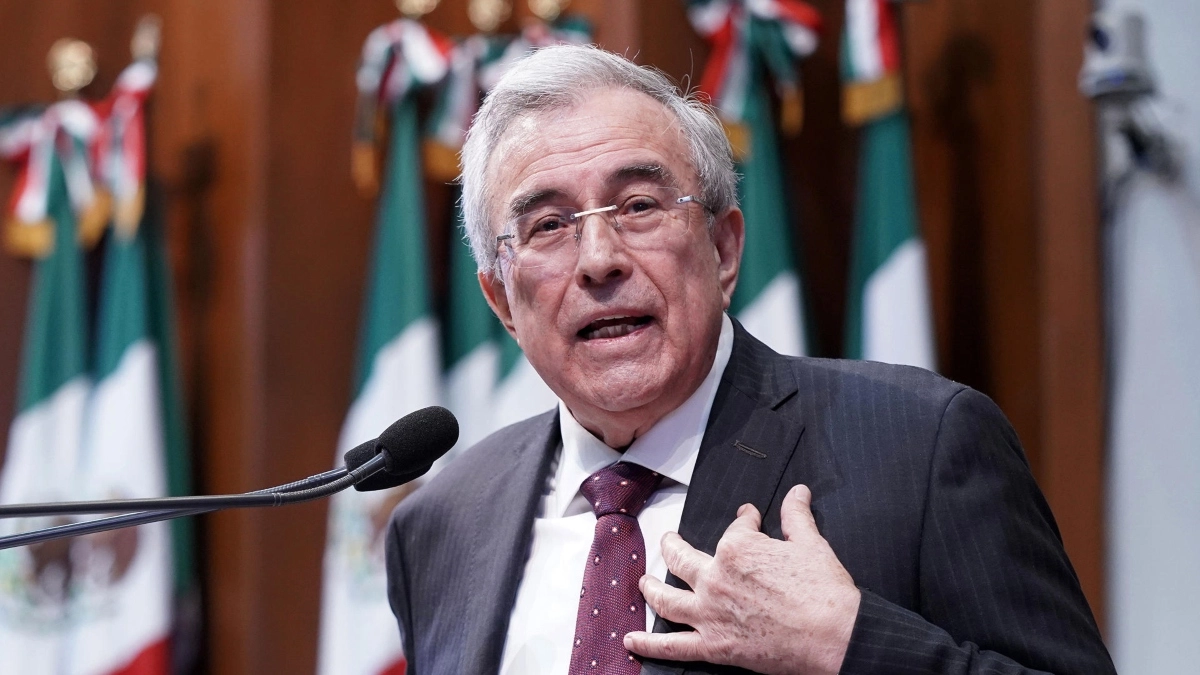

The rhetoric of national sovereignty has historically been the favorite refuge of Mexican governments when external pressure applies crack where it hurts most. Today, president Claudia Sheinbaum retakes that flag by demanding from the United States “compelling evidence” before move a single finger to detain for extradition the governor Rubén Rocha Moya and the nine other sinaloa officials accused os of nexes with drug trafficking. On paper, the stance is institutional; in practice, it smacks of a worrying shielding strategy.
The US Department of Justice doesn't throw darts into the air when dealing figures of this caliber. The accusations linking Rocha Moya to alleged illicit campaign financing in exchange for protection from crime rganized in Sinaloa they are not just hallway rumors; they are indications that point to that Morena came to power thanks, in large measure, to resources of dubious origin and practices as nefarious as the theft of ballot boxes and threats to political rivals.
Sheinbaum insists that “he is not covering for anyone.” However, the insistence on dismissing the diplomatic notes and testimonies presented by Washington as “mere sayings” seems to ignore a suffocating political reality. S If it is proven that Rocha and the morenista senator Enrique Inzunza were the bridges between narco money and the ballot boxes, not only a governor would fall, but the moral legitimacy of an entire movement that promised to be “different”.
While Mexico entrenches in legal technicalities, the international board has changed drastically. Donald Trump's return to the White House has brought with it a rhetoric of confrontational direction so that no remains in tweets. With explicit threats to intervene militarily against the cartels if Mexico doesn't act, Sheinbaum's diplomatic “pause” becomes a very-high-risk gamble.
Trump's pragmatism does not understand sovereignties when he feels that his national security is at stake. By denying the extradition of high-profile figures, the Government of Mexico is giving the Republican the perfect pretext to justify unilateral actions.
If the real reason to protect Rocha Moya is to prevent the sewer of electoral financing in Morena from being uncovered, the price that Mexico will pay will be very high. Not only the stability is at risk eat cial and diplomatic with its main partner, but a devastating message is sent to the Mexicans: that the law is absolute for the ordinary citizen, but negotiable for the official who “contributes” to the cause.
Sovereignty is defended with clean institutions and internal justice, not by turning the State into a law firm for politicians under suspicion. If there is evidence, let it be presented; but if there is fear of what that evidence reveals, then sovereignty is just an excuse.