

American Society of Mexico proposes bilateral treaty against crime outside the T-MEC
AmSoc launched an ambitious and controversial proposal: the creation of a Treaty to Fight Crime (TLCC) between Mexico and the United States
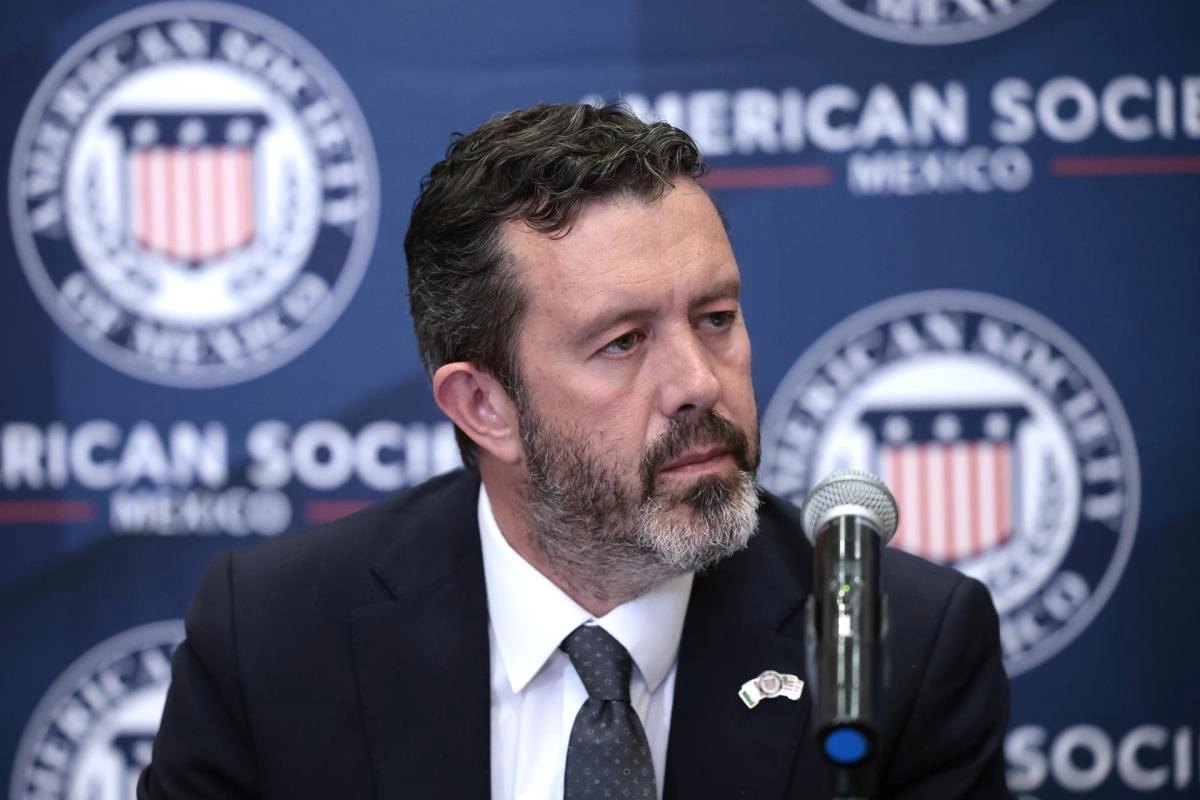

The American Society of Mexico (AmSoc) proposed the creation of a new binational agreement between Mexico and the United States focused exclusively on the fight against organized crime, fentanyl trafficking and money laundering, with the aim of preventing security issues from being part of the next review of the Treaty between Mexico, the United States and Canada (T-MEC).
The proposal, called the Treaty to Fight Crime (TLCC), was presented by Larry Rubin, president of the organization that represents the American community in Mexico. As he explained, the intention is to establish a deep cooperation mechanism between both countries to confront transnational threats that affect both nations.
Rubin maintained that the USMCA should remain an instrument focused on the economic and commercial integration of North America, without incorporating security issues that could complicate negotiations between regional partners.
"The USMCA must continue to be an economic treaty. Including security issues in its review would divert attention from efforts aimed at strengthening competitiveness and economic growth in the region," said the business leader.
The proposal comes at a time when Mexico, the United States and Canada are preparing to discuss various aspects related to the future of the trade agreement, while border security and drug trafficking continue to occupy a central place on the bilateral agenda.
They seek to strengthen security cooperation
According to AmSoc, the new treaty could become a strategic tool to strengthen dialogue between both governments, improve security conditions, encourage foreign investment and generate new employment opportunities.
The organization highlighted that phenomena such as fentanyl trafficking, money laundering and the activities of criminal groups operate beyond national borders, which is why they require coordinated responses and shared responsibilities.
Rubin stated that the initiative includes the participation of government authorities, businessmen and representatives of different sectors from both countries to build a high-level cooperation agenda. Likewise, he recognized the actions undertaken by the President of Mexico, Claudia Sheinbaum, to combat fentanyl trafficking and reiterated that international collaboration can strengthen the capacity of States to confront common threats.
"Cooperation strengthens sovereignty; organized crime weakens it," said Rubin when defending the need for a joint strategy between both governments.
They respond to criticism of a meeting of political leaders
The presentation of the proposal occurs days after the controversy generated by the annual dinner of the American Society, an event that brought together businessmen, political representatives and public figures from different sectors. President Sheinbaum questioned the meeting, considering that some of the attendees have held critical positions towards her administration and have sought to influence the bilateral relationship with the United States.
Given these statements, Rubin rejected that the organization functions as a space to attack the Mexican government or promote foreign interference. He noted that the event was open to representatives of various political currents and that even members of the ruling party were invited and participated in the meeting.
The leader assured that the purpose of the organization is to strengthen the relationship between both countries and promote spaces for dialogue on economic, social and security issues.
AmSoc reported that it will seek to promote the Anti-Crime Treaty through conversations with the administrations of Sheinbaum and US President Donald Trump, as well as legislators and political actors on both sides of the border. “Mexico has to be united, the United States has to be united and, most importantly, the two countries must work together while fully respecting the sovereignty of each nation,” Rubin concluded.
The proposal adds to the debate on bilateral cooperation mechanisms in security matters, an issue that continues to generate tensions and negotiations between Washington and Mexico City amid the challenges represented by drug trafficking and transnational organized crime.