

Vance reaffirms negotiation dialogue with Iran despite differences with Israel
The White House relies on diplomacy to stop the war and protect its global interests
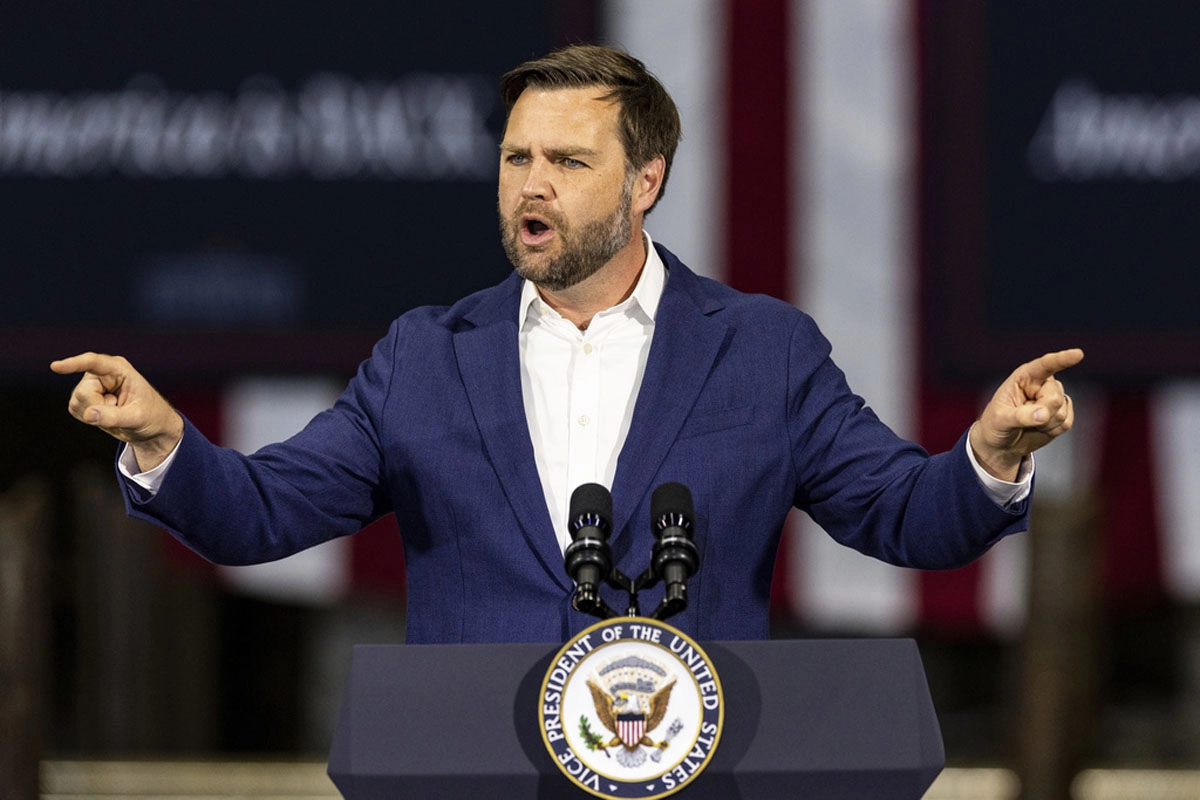

Vice President J. D. Vance defended the efforts of the Donald Trump Administration to reach an agreement with Iran and assured that Washington will continue negotiations even if Israel does not agree.
“Israel may agree or not, but fundamentally we believe that this is what is best for the United States,” said the vice president when asked about the progress of talks with Tehran during an exclusive interview with Fox News.
Vance defended the continuity of the dialogue by stating that the White House strategy seeks to “reduce the risks of conflict and open a real space for negotiation,” compared to the alternative of breaking diplomatic contact.
Furthermore, he maintained that the current policy responds to an evaluation based on the national interests of the United States. “We believe this approach best serves the long-term interests of the United States,” he said.
Iran confirms progress through Pakistan mediation
For his part, Iran's permanent representative to the UN, Amir Saeid Iravani, assured that Tehran and Washington continue to work on a possible agreement to end the war between both countries.
According to statements collected by the Iranian agency Tasnim, both nations are “exchanging opinions and perspectives through Pakistan to reach the final text” of the agreement.
The statements suggest that, despite tensions and recent military exchanges in the region, diplomatic channels remain open.
Trump seeks to contain escalation between Iran and Israel
Amid the negotiations, President Donald Trump called on Iran and Israel to cease hostilities immediately.
The president asked both sides to stop shooting after Tehran launched missile attacks against Israeli territory and Israel responded with operations against Iranian targets.
According to available information, Trump also tried unsuccessfully to convince Israeli Prime Minister Benjamin Netanyahu to moderate a possible military retaliation against Iran, with the aim of preventing a new escalation from affecting the diplomatic efforts that Washington is promoting to end the conflict.