

Consequences of mass deportations: judges warn that they are losing key witnesses in criminal cases
Protecting witnesses with immigration status has become difficult, hindering the resolution of some trials
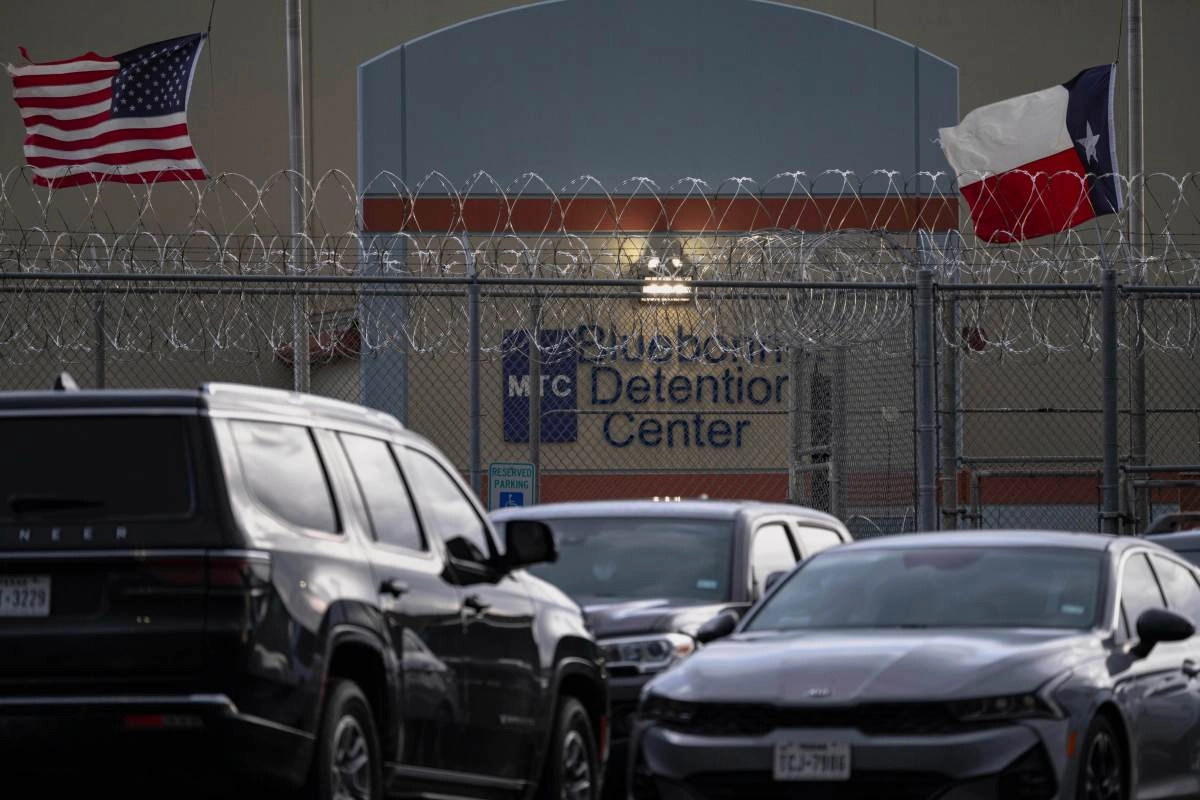

In West Texas, a serious assault case stalled after the alleged victim was deported before going to trial. The incident highlights how the tightening of immigration policy can directly affect the functioning of the criminal justice system. In September, Adan Yanez Porras was charged in Ward County with violently assaulting Manuel Chairez-Montes, causing fractures to the left side of his face. However, before the case could proceed, Chairez-Montes, who was undocumented, was deported to Mexico. District Attorney Sarah Stogner explained that without the victim's testimony, it is impossible to bring the case to trial. Although Yanez Porras faces a second-degree felony charge, he has been free on bail since shortly after being charged, as confirmed by the district attorney herself. Stogner indicated that he is applying for a U visa, an immigration measure that allows victims of crimes to remain legally in the United States for up to four years. Even so, she acknowledged that the process is slow and that the damage to the case has already been done.
The prosecutor, who also represents Loving and Reeves counties, asserted that this situation is a direct consequence of the Trump administration's immigration approach, which has intensified deportations across the country, stated Sarah Stogner.
Immigration Fear and Its Impact on Justice
While President Donald Trump accelerates mass deportation efforts under the guise of protecting communities, other Texas prosecutors warn that these measures, in practice, hinder the prosecution of violent crimes by driving away victims and key witnesses.
In various regions of the state, undocumented immigrants have chosen to stay home and limit their outings to what is strictly necessary. According to local reports, some have even stopped attending churches for fear of encountering immigration agents.
El Paso District Attorney James Montoya,He noted that ICE raids have generated such a level of fear that some witnesses refuse to cooperate with the justice system. He cited a murder case in which a key witness decided not to return to Texas to testify, James Montoya explained. Montoya stated that his office could not guarantee that a subpoena would protect the witness from potential immigration detention. The defendant was ultimately acquitted, a decision marked by the absence of that crucial testimony, James Montoya noted. Immigration attorney Ali Zakaria warned that this climate of fear fosters impunity, as many undocumented victims avoid reporting crimes. Even when arrests are made, the risk of deportation prevents those affected from appearing in court. In Harris County, District Attorney Sean Teare acknowledged that ICE raids have affected numerous criminal cases, including sex crimes against minors. To mitigate the problem, her office began issuing identification cards for undocumented witnesses. Teare recalled the case of Carmelo Gonzalez, the father of a girl murdered in Pasadena, who was nearly deported despite being a key witness. Although he managed to stop his deportation, Gonzalez now participates from an immigration detention center.