

Cazzu reacted to Rosalía's controversy with Argentina
The Argentine singer spoke out about the controversy unleashed after the 2026 World Cup final and called to stop hate on social networks
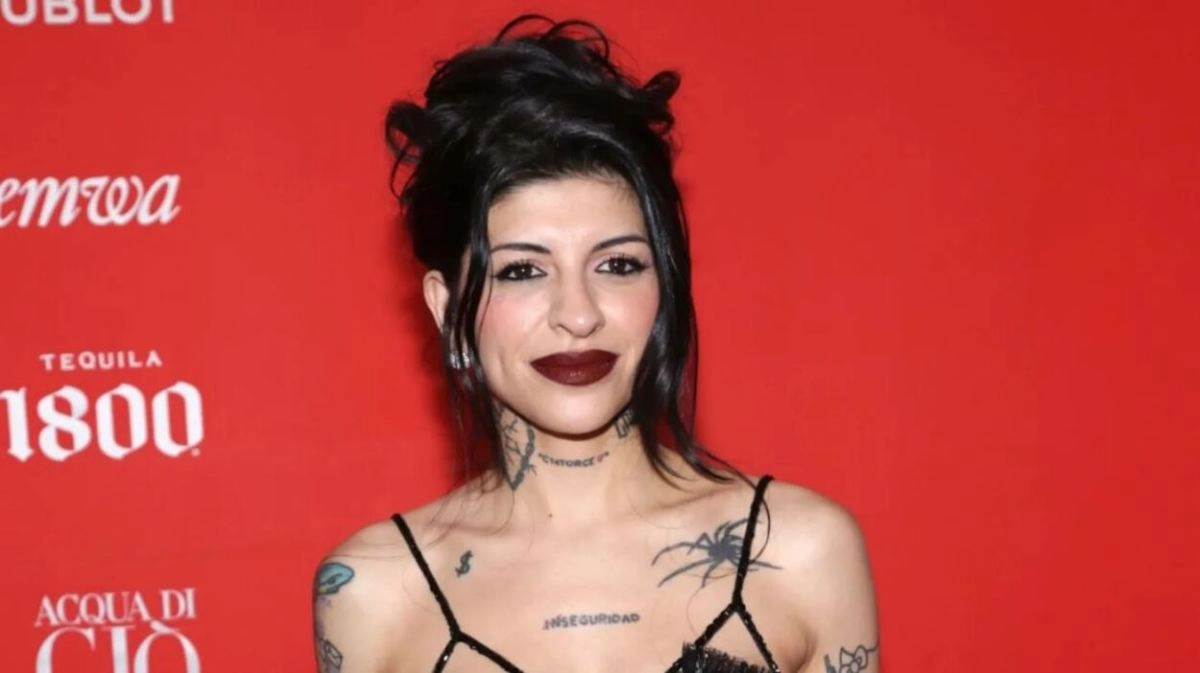

The tension unleashed on social networks after the 2026 World Cup final added a new voice from the music industry. Julieta Emilia Cazzuchelli, known artistically as Cazzu, broke the silence to speak out about the controversy that involved the Spanish singer Rosalía with the Argentine public.
The conflict originated when Rosalía replicated in her Instagram stories a video in which the celebrity Mia Khalifa celebrated Spain's victory over the Argentine National Team to the rhythm of "La Perla", a hit by the Catalan performer. The gesture unleashed a wave of indignation among Albiceleste fans, who went so far as to promote a boycott against the artist's next tour in Argentine territory.
Given the magnitude of the commotion, Rosalía deleted the video and offered a public apology, explaining that she shared the clip driven by the music, without noticing the message: "I hit share because 'La Perla' was playing and I didn't even read what it said, my bad. Sorry. I only have love for Argentina," she stated.
During a recent live broadcast with his followers, Cazzu addressed the situation, acknowledging Rosalía's version and reflecting on the fragility of the relationship between artists and their audience. “I read that she had shared that she had not read,” commented the trapper, and then warned about the risks to which celebrities are exposed in contexts of great social sensitivity.
“We, public people, have to be careful and responsible, as we walk on a ledge; the ledge of being loved or hated in a matter of seconds,” said the “Nena Trampa” interpreter.
To conclude her message, the artist questioned the climate of aggressiveness that usually surrounds sport and advocated for mutual understanding. "Why do we hate each other? Why are we insulting each other through a sport? Isn't football supposed to be joy and unity? Stop fighting, let's stop fighting and try to understand each other and our cultures, which are so similar," he concluded, calling for tolerance on digital platforms.