

Cases of tetanus are increasing, it is a rare but dangerous disease
Initial symptoms, which usually begin several days or weeks later, include jaw stiffness, neck pain, and difficulty swallowing.
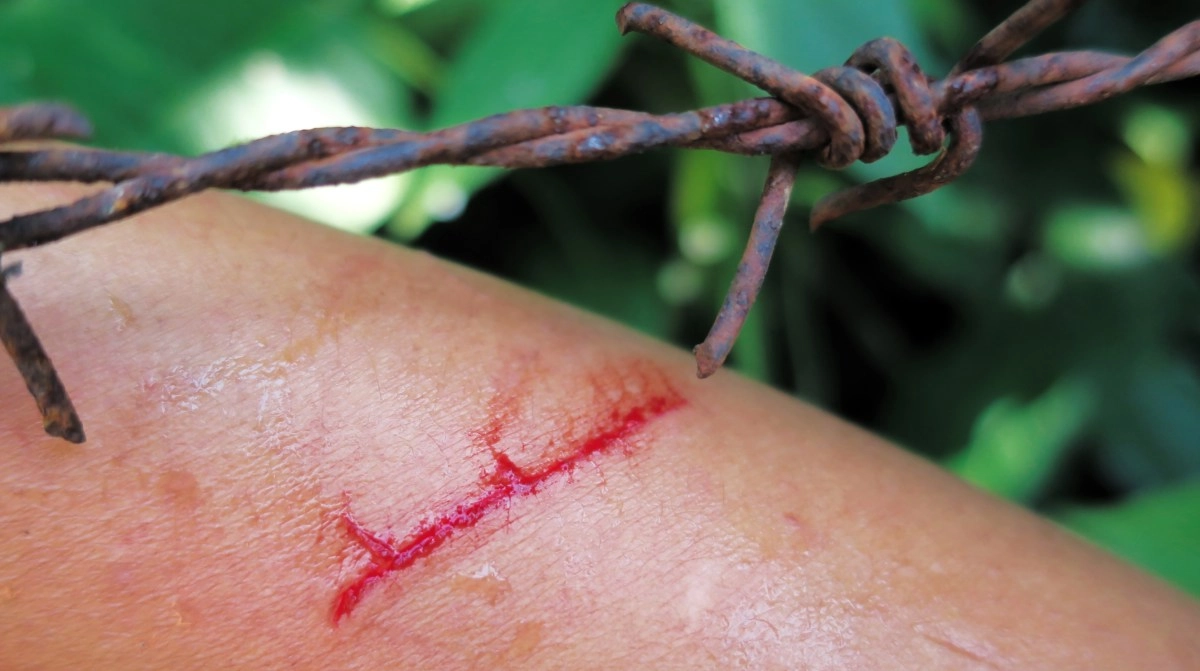

Recent reports from the Centers for Disease Control and Prevention (CDC) have revealed that tetanus remains a serious concern, with 402 cases and 37 deaths reported between 2009 and 2023. Additionally, four pediatric cases were recorded in several states in 2024.
Tetanus is caused by the bacteria Clostridium tetani, which enters the body through wounds. Spores can be present in soil and on contaminated objects. Injuries such as cuts, crush injuries, and burns are especially risky.
To help understand what tetanus is, why it remains dangerous and how people can protect themselves, CNN spoke to Dr. Leana Wen, an emergency specialist and associate clinical professor at George Washington University.
It is known that one of the most common ways to contract tetanus is through wounds. In these cases, Wen points out, the rust on the nail itself is not the problem: nails and other objects are worrisome because they can be contaminated with bacterial spores, especially if they have been outdoors.
Puncture wounds are a classic example, but lacerations, fractures that break the skin, burns, crush injuries and even relatively minor cuts can also pose a risk if they are contaminated with dirt or debris, reports CNN.
Symptoms and dangers
Initial symptoms, which usually begin several days or weeks later, include jaw stiffness, neck pain, and difficulty swallowing. The disease can progress rapidly, even causing dangerous muscle spasms and respiratory complications.
Dangerous fluctuations in blood pressure and cardiac arrhythmias can even occur. This is due to the involvement of the autonomic nervous system.
With proper medical care, recovery may take weeks or months. Although, otherwise, the disease can be fatal.
Prevention
Vaccination schedule. The American Academy of Pediatrics recommends a course of five doses for children, followed by boosters in adolescence and every ten years for adults. Reinforcement is also advised after severe injuries.
Most vulnerable groups. Unvaccinated individuals or those who have not completed their vaccination series are the most vulnerable, including children whose parents decline vaccination and older adults. Pregnant women should also receive a tetanus vaccine, which helps protect babies against neonatal tetanus.
Protection Tips
Dr. Leana Wen stresses the importance of checking vaccination status and seeking medical attention for significant injuries.
"Tetanus is not contagious. It is important for people to know this, first because it helps them understand how tetanus is transmitted and, second, because it highlights the importance of vaccination," Wen says.
Recognizing that tetanus has not disappeared, but rather persists in the environment, is essential for active prevention.
Tetanus cases have been increasing because vaccine protection is falling short in part of the population and then a risk wound appears.
You may also be interested in:
· Why are so many people allergic to shellfish? · FDA endorses first flu vaccine that uses mRNA, technology that was key to ending the COVID-19 pandemic · HPV vaccines allow setting deadlines for the elimination of cervical cancer