

Exercises prohibited during the first trimester of pregnancy
Moderate physical activity is beneficial; however, high-risk activities should be eliminated
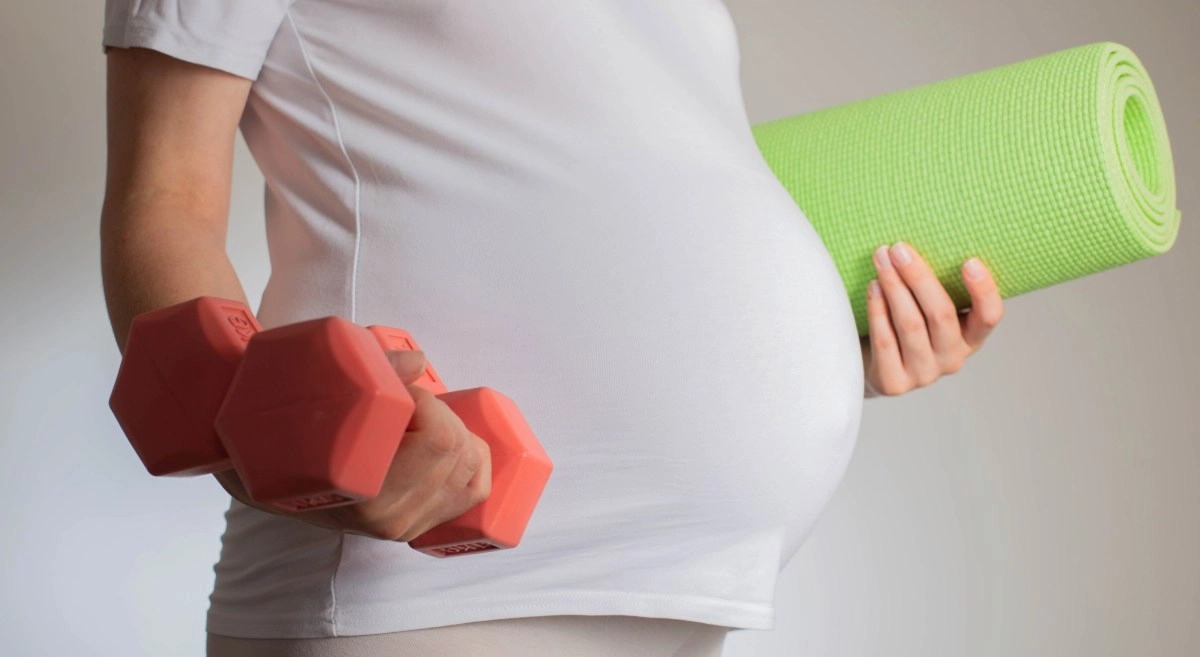

During the first trimester of pregnancy, it is crucial that women avoid certain physical activities to protect both their health and that of the fetus. Moderate physical activity is beneficial; however, high-risk activities should be eliminated. In this regard, here are some recommendations from Bupa Health regarding exercises that should not be done during this period to avoid discomfort. However, it is important to note that before starting or modifying any physical activity or sport, you should consult your doctor. High-impact and contact sports: Sports that involve physical contact or high impact, such as boxing, karate, and soccer, should be avoided due to the risk of injuries and complications such as placental abruption. Pregnant women experience changes in balance and stability, which increases the likelihood of falls and trauma. Weightlifting and strength training: Lifting heavy loads increases intra-abdominal pressure, which can compromise the pelvic floor and decrease blood flow to the abdomen. utero.
Olympic weightlifting and techniques such as the Valsalva maneuver are not recommended.
Exercises involving jumping
Movements involving jumping or intense impacts can cause pelvic floor problems, as well as lower back pain.
Activities such as high-intensity running and plyometric exercises are discouraged.
Postures that compress the abdomen
Exercises that put pressure on the abdomen, such as traditional abdominal exercises and some yoga postures, should be avoided to ensure the well-being of the fetus.
Excessive compression can cause discomfort or compromise the oxygen supply to the baby.
Exercises in supine position
Lying on your back can limit venous return and affect oxygenation,Therefore, exercises such as the flat bench press should be avoided in the second trimester.
Although some women may not notice immediate discomfort, prolonged periods in this position affect both maternal and fetal well-being.
Diving and High-Altitude Activities
Diving and high-altitude sports present significant risks to the fetus due to changes in pressure and oxygen availability, so it is advisable to abstain from these activities.
These practices involve a significant risk of decompression stress for both the mother and the fetus, even causing serious symptoms such as tachycardia or cardiac arrest.
Exercises with a Risk of Falls
Activities that increase the risk of falls, such as skiing, skating, and cycling on rough terrain, should be avoided to prevent serious injuries to both the mother and the fetus.
It is suggested to seek safe alternatives to maintain a stable position.