

Have you suffered an anxiety attack? How to identify it correctly
The causes of anxiety vary from person to person, but can include physical elements and past experiences
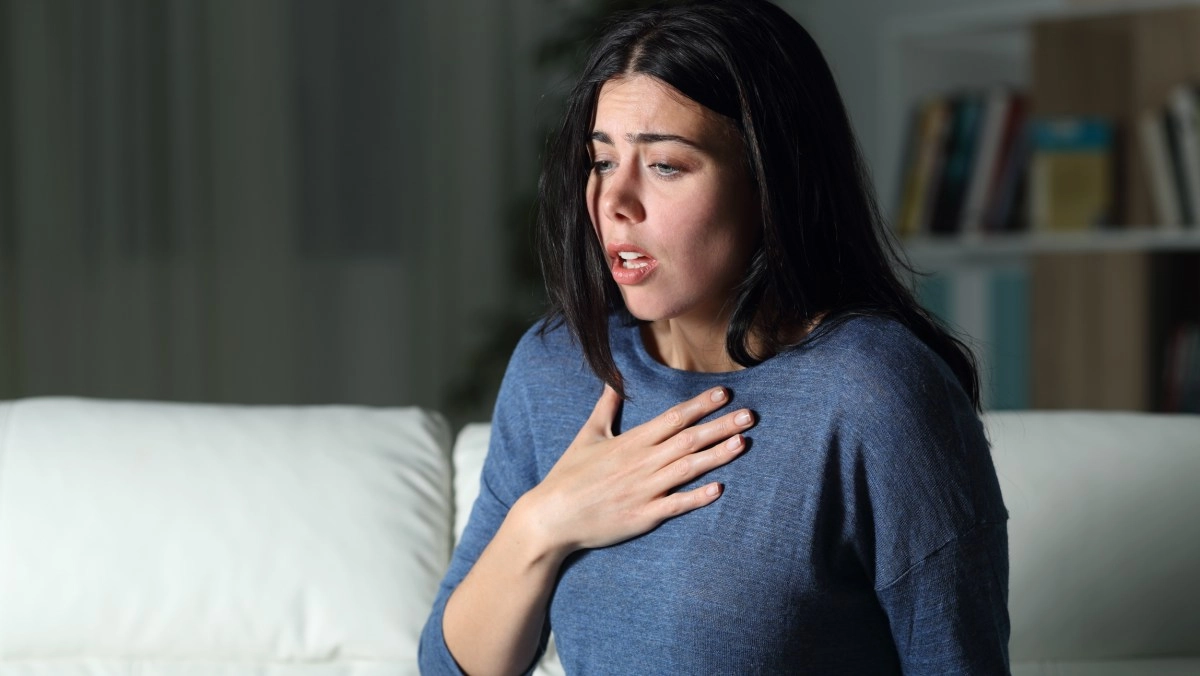

We have all suffered an anxiety attack at some point, but perhaps we did not even recognize it at the time. Recognizing and understanding what an anxiety attack really is is essential to being able to manage it properly and seek the necessary help. In honor of World Mental Health Day on October 10, we bring you some key information to help you overcome it, should it occur.
Anxiety attacks, also known as panic attacks or panic attacks, are intense and terrifying experiences that millions of people experience at least once in their lives. Although they can be extremely upsetting, especially when they first occur, it's critical to understand that they are relatively common and, while unpleasant, are not life-threatening.
Many people mistake these episodes for heart problems or a feeling of "going crazy," which adds an extra layer of fear to an already distressing experience.
The distinction between normal anxiety, elevated anxiety, and a full-blown panic attack can be confusing, but learning to identify the specific signs can make the difference between feeling completely overwhelmed or being able to implement effective coping strategies. This knowledge not only helps those who experience it, but also family and friends who want to offer appropriate support.
Understanding Fear
Anxiety is a type of anticipatory fear, Elena Gallardo Morillo, a professor in the Master's Degree in Neuropsychology at the International University of La Rioja (UNIR), explains to EFE. This state of tension affects those who suffer from it daily, generating a distorted perception of reality.
The causes of anxiety vary from person to person, but can include physical elements and past experiences. The neuroscientist emphasizes that ongoing anxiety causes physical and psychological changes that impair well-being.
How to Identify an Anxiety Attack
Characteristic Physical Symptoms
An anxiety attack manifests itself with an overwhelming combination of physical symptoms that appear suddenly and peak within minutes. Importantly, these symptoms worsen with the duration of the anxious state. Some of the most common include:
Psychological and Emotional Symptoms
In addition to physical manifestations, anxiety attacks include very distinctive psychological components:
Criteria for Duration and Intensity
To properly be considered an anxiety attack, symptoms must:
Differences from Other Conditions
It is crucial to distinguish an anxiety attack from other medical conditions:
It is not a heart attack if: symptoms peak quickly and then subside, they do not progressively worsen with physical activity, and you have a history of anxiety without diagnosed heart problems. However, the first time you experience these symptoms, it's a good idea to seek medical attention to rule out physical causes.
It's not generalized anxiety: While generalized anxiety is a persistent and chronic worry about a variety of issues, a panic attack is an acute, intense, and temporary episode.
It's not a normal reaction to stress: Although stress can trigger anxiety attacks, they are often disproportionate to the situation that caused them.
What to do during an attack
If you identify that you are experiencing an anxiety attack:
When to seek professional help
Addressing anxiety requires identifying its symptoms and implementing coping strategies. It is suggested that you dedicate time each day to activities that promote mental calm. You should consider consulting a mental health professional if:
Anxiety attacks are treatable through psychological therapy (especially cognitive-behavioral therapy), stress management techniques, and in some cases, medication. Seeking help is not a sign of weakness, but a smart step toward well-being.
AI Support and Limitations
Experts warn about the use of artificial intelligence (AI)-based apps to treat anxiety. Despite their usefulness as an informational tool, they cannot replace human interaction and professional analysis.
Lifestyles and Mental Health
The normalization of anxiety in everyday life is an obstacle to seeking professional help.
Growing mental health awareness is positive,but it can lead to accepting anxiety as a normal state rather than a problem to be addressed.