

Influence of pets on emotional well-being: friend or simple company?
Study reveals that pets improve mood, but do not cushion daily stress
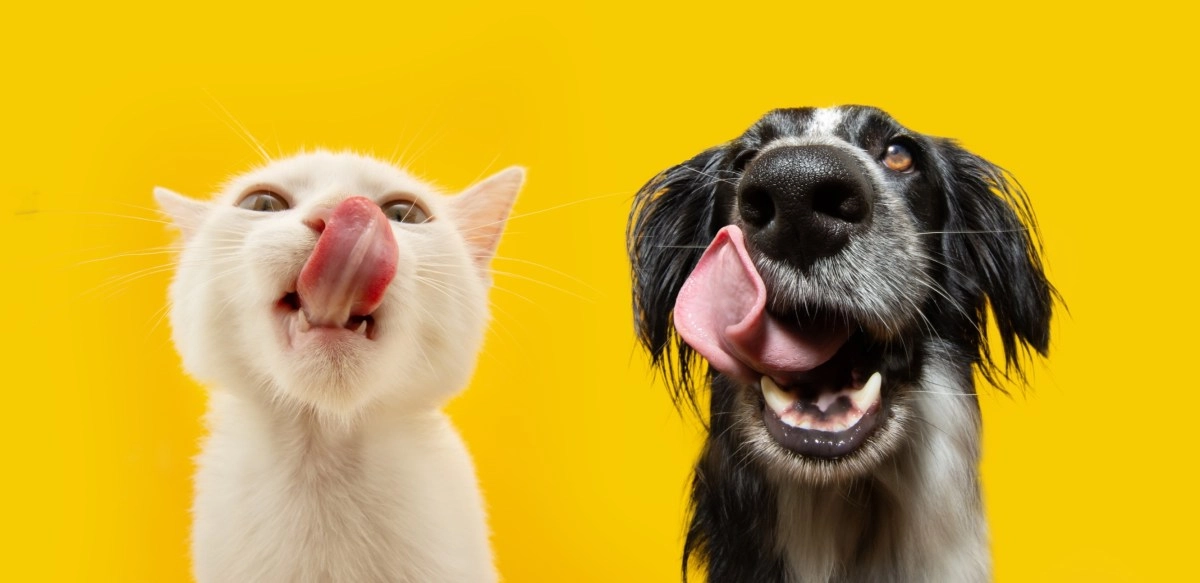

Researchers in the Netherlands have examined how interaction with dogs and cats affects the emotional well-being of their owners. Despite the positive emotions reported, which can improve mood, it was concluded that this interaction does not act as a buffer against daily stress.
The study, published in Frontiers in Psychology, investigates the eternal question of whether dogs or cats are better pets, whether they are the best friends or just simple companions, a space that a living being like a plant could also occupy.
Cats or dogs
The research observed similarities between dog and cat owners in terms of generating positive emotions. However, interaction with cats showed a counterproductive effect on stressed owners, intensifying their negative emotions, suggesting differences in interaction dynamics.
"Our findings indicate that stress buffering is not the mechanism that causes momentary emotional well-being when interacting with a pet. Interaction with neither species acted as a buffer for negative emotions. In cats, we even observed that a higher level of interaction was associated with a stronger relationship between stress and negative emotions in the owners," said Dr. Mayke Janssens, author of the research and associate professor of psychology at The Open University, United Kingdom.
"A possible explanation is that, since interactions with cats tend to be more passive and less demanding, a higher level of interaction could be more emotional. This could not coincide with the need for support in times of stress," explained Sanee Peeters, first author of the study and researcher at the same research house.
However, it is noteworthy that the sample of cat owners was small, much smaller than that of dog owners, for which there is no definitive and conclusive explanation. What the study did show was that among dog owners, interactions with their pets did not intensify the negative emotions they felt in stressful situations, although they did not improve them either.
Underlying mechanisms of interaction
The study was justified by the fact that, although research on human-animal interaction has become more refined in recent years, the beneficial influence of companion animals on emotional well-being and the mechanisms underlying these effects remain not fully understood.
The sense of companionship and connection that pets provide is postulated to contribute to emotional well-being, rather than serving as a solution to stress. Intensive interaction was not correlated with additional emotional benefits.
The results underline the complexity of relationships between humans and animals. Although it cannot be said that one species is a better pet than the other, the findings suggest that factors such as the owner's personality and preferences are determining factors in the emotional experience offered by their pets.
Choosing dogs or cats as pets
The choice between dogs and cats as pets is usually influenced by the owners' personality traits, their lifestyles and emotional expectations.
In general, more extroverted and sociable people tend to be attracted to dogs: these animals usually demand frequent interaction, enjoy walks, group games and respond visibly to social reinforcement, which satisfies the human need for active companionship and clear displays of affection. High-energy owners, who value outdoor activity, routine, and the ability to socialize with other people, often prefer dogs because the bond is built through shared activities and reciprocal behaviors (greetings, training, games).
In contrast, more introverted individuals or those who value personal autonomy often choose cats. Cats offer companionship, but on generally less demanding terms: they require less walking time, are more independent, and handle long periods of solitude better. People who enjoy quiet, contemplation and personal space often appreciate the subtle and sometimes distant nature of cats, as well as the sense of companionship that does not override their need for privacy.
Responsibility and organizational style also play a role: methodical owners with fixed schedules can adapt well to dogs, given that they benefit from routines (food, walks, training). However, those who have unpredictable schedules or travel frequently find cats a more flexible option. On the other hand, individuals with high stress tolerance and willingness to train tend to better cope with the behavioral demands of certain dog breeds; Those who prefer a less structured bond may lean toward calmer cats or dogs.
Emotional and affective factors count a lot: people who seek clear and frequent expressions of attachment—continuous caressing, kissing, showing joy with energy—usually feel immediate gratification with dogs. Those who value moments of selective intimacy, subtle gestures of affection, and a less dependent relationship may connect better with cats, who express affection in more discreet signals.
However, these trends are general and there are many exceptions. Previous experience with animals, cultural values, family beliefs, and material circumstances (home space, neighbors, local laws) can override personality. In addition, the personality of the animal itself matters: there are calm dogs and very affectionate cats, and compatibility depends on both the temperament of the owner and that of the pet.
You may also be interested in:
· Just because you get up early will not always mean you drink clear water: “Not sleeping is associated with obesity, depression or cognitive impairment” · It's not just a matter of genetics! Factors that make women live longer than men · What does your body need after 50 years of age?