

Trump signs the memorandum with Iran in Versailles and opens a 60-day countdown to a definitive agreement
Trump formalized the preliminary agreement with Iran that ends hostilities and begins a new phase of negotiations
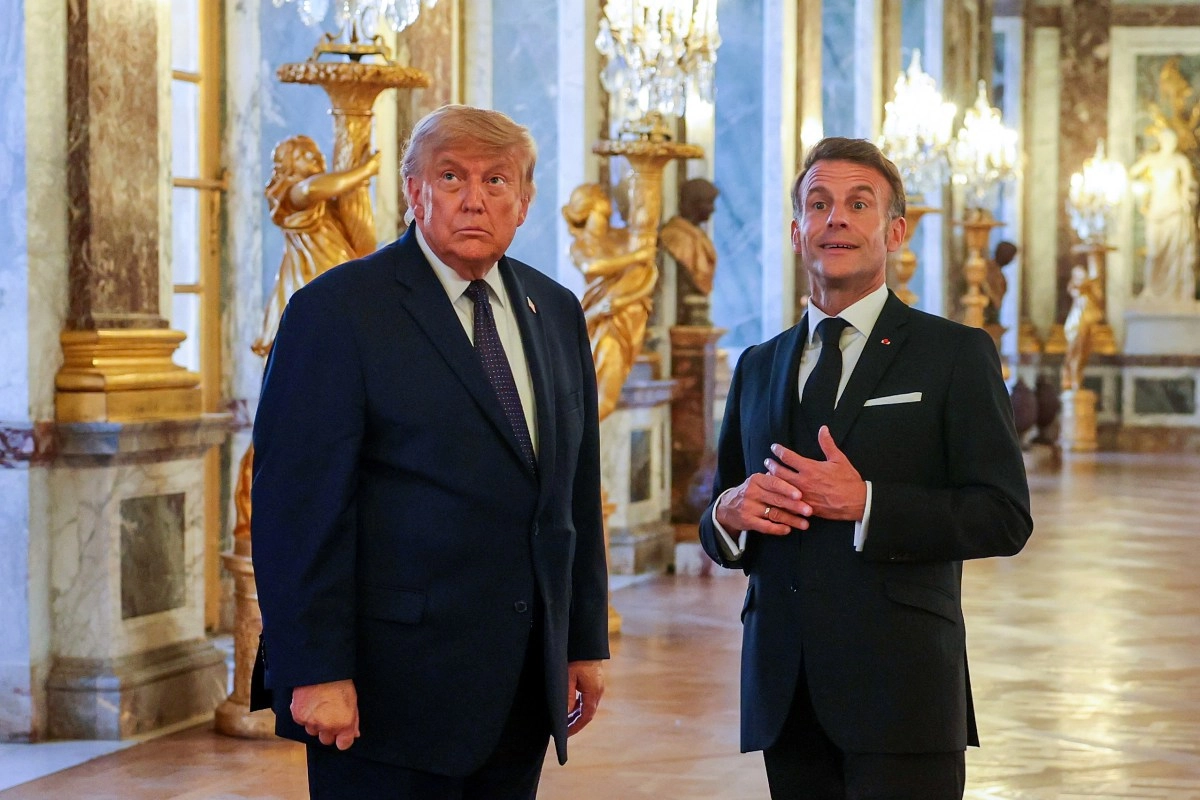

Donald Trump confirmed this Wednesday that he signed the memorandum of understanding reached with Iran at the Palace of Versailles, a document that seeks to end more than three months of hostilities and open a new stage of negotiations on the Iranian nuclear program, the lifting of sanctions and security in the Strait of Hormuz.
In front of journalists, Trump commented briefly: "It's signed... I signed it in Versailles." Hours later, his advisor Dan Scavino broadcast a video on the social network According to the images released, the event took place during Trump's visit to France, where he was also accompanied by French President Emmanuel Macron.
The signing occurred before the in-person ceremony that was initially scheduled to be held in Switzerland. International media reported that Tehran had opted for an early electronic signature, a decision that allowed the memorandum to be formalized several days ahead of schedule.
The agreement, known as the “Islamabad Memorandum” for the mediating role played by Pakistan during months of indirect talks, establishes an immediate cessation of military operations and creates a 60-day window to negotiate a definitive pact between Washington and Tehran.
Among its central points is the reopening of the Strait of Hormuz to commercial traffic, the progressive lifting of the US naval blockade on Iranian ports and the beginning of talks on the future of the Islamic Republic's nuclear program.
According to the text released by US officials, Iran is committed to maintaining a policy of nuclear non-proliferation and negotiating mechanisms supervised by the International Atomic Energy Agency (IAEA) to manage its reserves of enriched uranium. In exchange, the United States provides temporary exemptions to sanctions related to Iranian oil exports and the gradual release of frozen assets, subject to compliance with agreed commitments.
The Trump administration has presented the memo as a first step toward broader normalization. Reuters reported that the draft also provides for the development of an international reconstruction program for Iran and the eventual removal of US and United Nations sanctions, although those points will depend on the negotiation of a final agreement and subsequent verification mechanisms.
However, the understanding remains provisional, as it turned out, the text of the memorandum itself establishes that either party could abandon the negotiations if it considers that the other is not complying with the commitments made.
Although Trump hailed the signing as a historic advance, several US lawmakers and critics have questioned some concessions included in the memo, arguing that Iran's nuclear commitments still lack sufficient details. Therefore, the next 60 days will be decisive in determining whether the understanding reached in Versailles becomes a permanent agreement or remains a failed attempt at diplomatic de-escalation.