

It will surprise you! A Common Gym Supplement Could Help Fight Depression
Of five randomized controlled trials analyzed, four focused on major depressive disorder and showed improvement in patients' symptoms
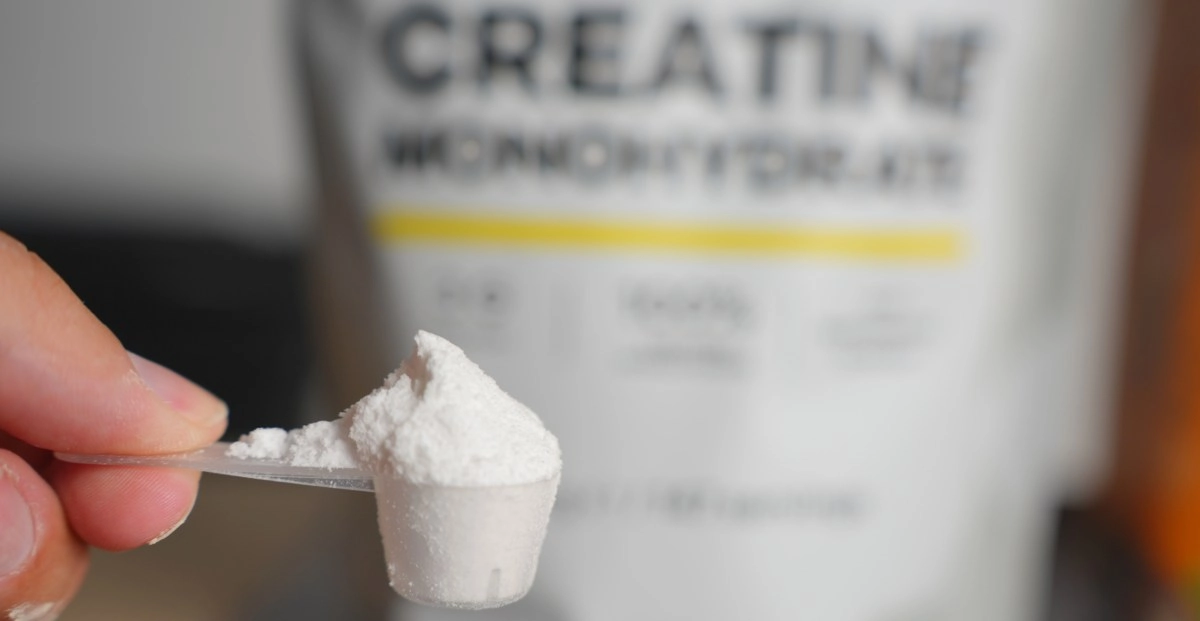

The systematic review published in Brain Medicine suggests that creatine, commonly used for muscle building, could have benefits as an adjunctive treatment for major depressive disorder.
The Canadian researchers note that although the evidence is preliminary, the findings are worthy of attention.
Among the results of the clinical trials, the following stand out:
Impact on major depressive disorder: Of five randomized controlled trials analyzed, four focused on major depressive disorder and showed an improvement in symptoms in patients who took creatine monohydrate along with antidepressants such as escitalopram.
Bipolar Disorder Study: A trial related to bipolar depression did not report significant improvements.
Creatine and brain metabolism
Researchers indicate that people with mood disorders may process creatine differently.
Since creatine helps in brain energy production, it is thought to affect depression, although correlation does not imply causation.
Importance of continuous research
The study authors emphasize the need for more research to determine the effectiveness of creatine as a supplement in the treatment of depression. Dr. Thea Gallagher, a psychologist and director of wellness programs at NYU Langone, warned Fox News Digital that while creatine could be a promising tool, it should not replace established treatments such as psychotherapy or antidepressant medications.
While the lead author of the study, Bassam Jeryous Fares, a student at the University of Ottawa Faculty of Medicine, commented in a statement that the signal is “interesting, but not a verdict.”
Experts suggest that patients should consult their doctors before starting any supplementation, especially those with pre-existing conditions. Although creatine is shown to be a safe option for healthy adults, its application in the treatment of depression requires a careful and evidence-based approach.
Action of creatine on mood
Creatine may positively influence mood, primarily by improving energy production in the brain and modulating key neurotransmitters, which is associated with a reduction in depressive symptoms in some studies.
Mechanisms of action in the brain
Creatine acts as a cellular “energy reservoir”: it increases phosphocreatine levels, which helps regenerate ATP (the energy molecule) in neurons with high demand, such as those of the prefrontal cortex and other areas related to emotional regulation. This could:
Evidence in depression and mental health
Several observational studies and clinical trials suggest beneficial effects:
Effects on general mood (without clinical diagnosis)
In people without a psychiatric disorder, the evidence is more limited, but some reports and reviews indicate:
However, it is not a universal “antidepressant”: the benefits on mood in healthy people seem modest and variable.
You may also be interested in:
· Losing weight goes beyond reducing calorie intake · How healthy is it to artificially raise testosterone? The Trump administration's bet divides the medical community Ibuprofen or paracetamol: the doubt we all have