

Legume Renaissance in American Cuisine: When the going gets tough, we eat more beans
Legumes, rich in fiber and protein, are valued not only for their low cost, but also for their multiple health benefits.
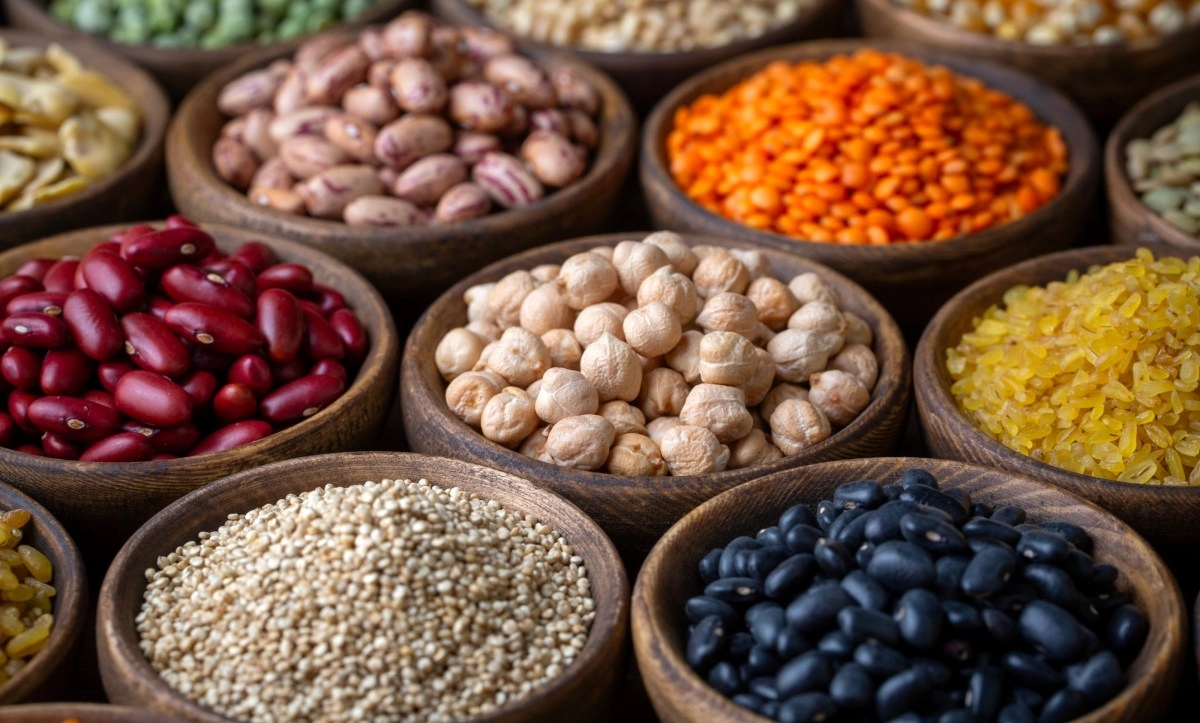

The increase in interest in legumes reflects a change in consumer perception. As food prices rise, legumes, traditionally considered inexpensive, are making a comeback in Americans' diets.
This shift has led to the popularity of accounts like BeanTok and the formation of groups like “Leguminati,” notes National Public Radio (NPR).
“We are certainly experiencing a renaissance,” said Tim McGreevy, executive director of USA Pulses, the trade association for the legume industry, which includes dried beans, lentils, chickpeas and dried peas.
"Legumes can make you feel good. That's their power," he reaffirms.
Legumes, rich in fiber and protein, are valued not only for their low cost, but also for their multiple health benefits. Research indicates that its consumption can help regulate blood sugar and improve intestinal health. However, its reputation as a “musical fruit” remains an obstacle to its general acceptance.
Emerging trends in bean consumption
Renewed interest in legumes has been driven by several trends, including rising meat prices and the movement toward more sustainable diets.
Legumes, which are known for their high fiber content, can compensate for a nutrient that is often lacking in the American diet, specialists point out. In this sense, a study published in Current Developments in Nutrition revealed that only 7.4% of American adults consume the recommended daily amount of fiber.
Companies like Rancho Gordo have found success selling previously underrated varieties of legumes, and have created communities around their consumption.
Initiatives to increase the consumption of legumes
Organizations like USA Pulses aim to increase the production and consumption of legumes in the US by 2030.
These initiatives include public awareness campaigns and changes in dietary guidelines, focusing on the integration of legumes into everyday meals and processed food lists.
Experts say
Nutritional differences between different types of legumes
There are nutritional differences between legumes, although they all share a similar base: they provide vegetable protein, complex carbohydrates, fiber, B vitamins and minerals such as iron, magnesium and potassium.
Popular recipes using legumes
Legumes are now the protagonists in many modern and traditional recipes, both in hot and cold dishes. Below I leave you a list of popular recipes where legumes are the main ingredient.
Arabic and Mediterranean dishes