

New rule will force bars and restaurants in the EU to reinvent themselves to dispense food: will they take similar measu
It should be noted that the legislation contemplates exceptions for hospitals and health centers, where food safety is a priority.
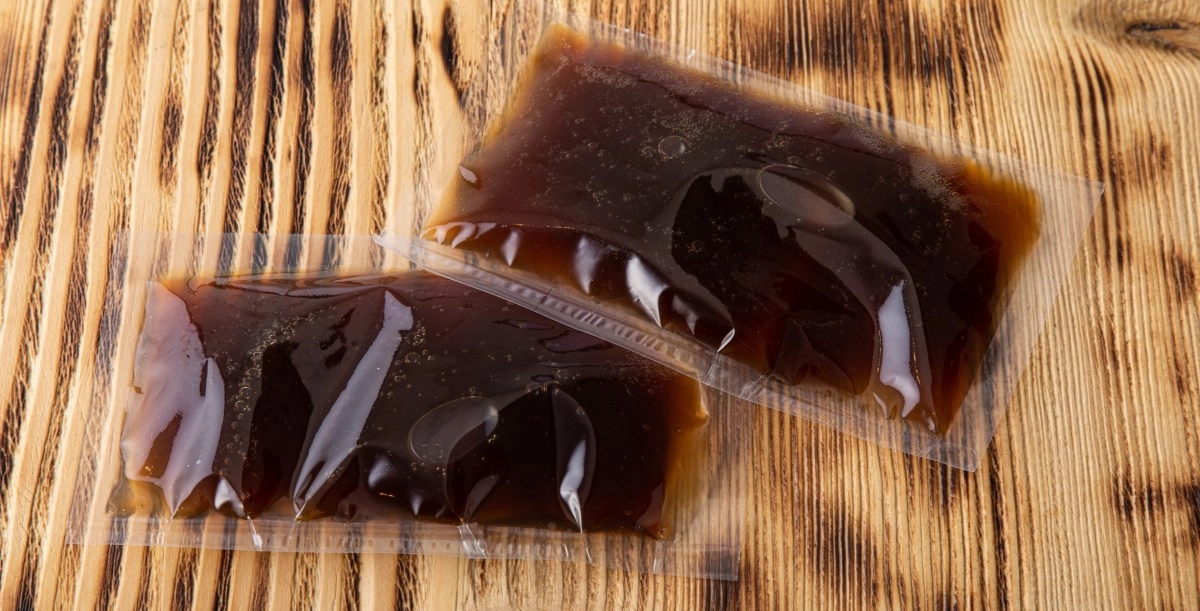

Starting August 12, bars and restaurants in the European Union (EU) must eliminate the use of single-use plastic sachets. The regulations apply to products such as salt, sugar, ketchup and other condiments. Establishments will have to resort to alternatives such as refillable dispensers and reusable containers.
This is a consequence of the approval by the European Parliament and Council of a European regulation that seeks to limit the use of plastics in order to protect the environment.
It should be noted that the legislation contemplates exceptions for hospitals and health centers, where food safety is a priority. In these places, single-use plastic containers may continue to be used to maintain the hygiene necessary for immediate consumption.
Implications for the hospitality sector
This measure represents a significant challenge for the hospitality sector, which must quickly adapt to the new regulations.
The transition to sustainable packaging raises questions about hygiene, as reusable containers require different handling to ensure food safety.
Recyclability goals
Until 2030, the use of certified compostable plastic will be allowed, but the EU plans to introduce even stricter regulations, banning all non-recyclable plastics.
This forces establishments to adopt innovative and sustainable strategies to comply with upcoming regulations.
The example that Europe gave: Does the US? will follow the steps?
It is plausible that the United States could adopt EU-like restrictions on single-use plastic envelopes, but its feasibility depends on political, regulatory, and economic factors different from those in Europe.
How it could happen (practical ways)
You may also be interested in:
· A proposed ban on additives could change pizza and bagels in New York · More than fifty restaurants have closed in Los Angeles due to pest and rodent infestation · Growing pressure to legalize raw milk, ignoring warnings and disease outbreaks