

Justice is urgently needed for Mexicans killed by ICE
Salgado's death has generated multiple calls from Democratic officials and immigrant rights groups
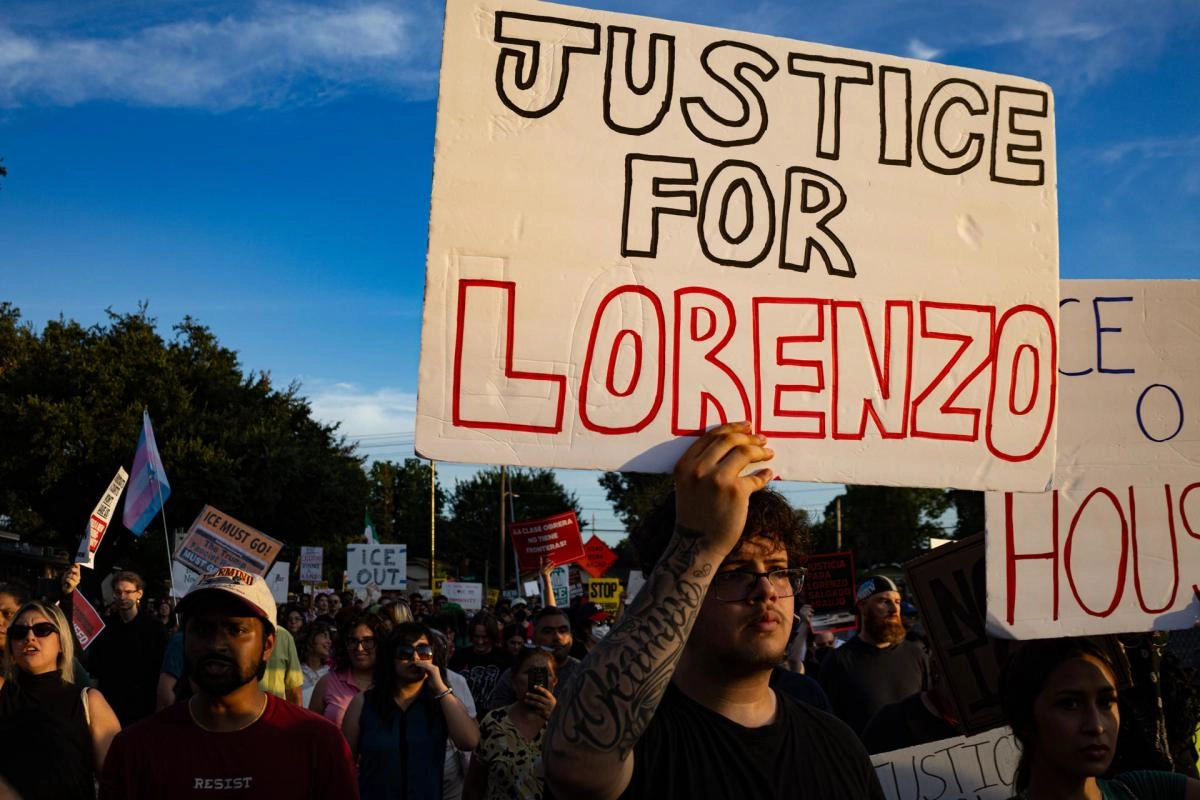

Once again, Immigration and Customs Enforcement (ICE) makes headlines for its abuses and excessive violence that often causes unnecessary deaths. On July 8, an agent from that institution shot and killed Lorenzo Salgado Araujo, an undocumented Mexican who tried to escape from an operation in Houston, Texas. The agency itself recognized that it was a gross mistake, because the deceased, who was about to obtain his work permit in the United States, was not the person they were looking for.
Salgado's death has prompted multiple calls from Democratic officials and immigrant rights groups for an independent investigation into what happened.
Faced with this tragedy, the response of the Mexican government has taken a drastic turn. President Claudia Sheinbaum broke with traditional bureaucratic passivity and announced that her administration will go “beyond ordinary diplomatic claims.” From the National Palace, the president instructed the initiation of forceful legal measures and criminal complaints before state prosecutors' offices and the US Department of Justice for what she openly described as "homicides."
In addition, civil actions are contemplated against private companies that profit from detention centers. Sheinbaum's position is firm:
"We cannot allow the mistreatment of our brothers who are in the United States... We are preparing legal measures, obviously, more important. What we cannot do is be omitted."
Although the vigorous legal actions announced by the president and her foreign ministry are necessary and represent an indispensable change of gear, it is impossible to ignore the most bitter question of this crisis: why did it wait so long?
Today it is known that the number of Mexicans who have lost their lives in custody or in ICE operations in this cycle of immigration hardening now amounts to 17 people. Seventeen devastated families who, until now, had only received the sterile consolation of 11 diplomatic protest notes.
The Mexican government should have hit the tables of international and US courts since the first death. Treating the systemic deaths of fellow citizens as “isolated incidents” deserving of paper complaints was a historical omission. Letting 16 tragedies pass before implementing a vigorous legal offensive is painful proof that “cool head” diplomacy sometimes fails to freeze the humanitarian emergency.
An error that costs a human life is not an administrative error; It is criminal negligence protected by a punitive system of prosecution. Mexican migrants support entire industries and enrich the economy of the northern country; His only “crime” is the lack of a document. It is time for the weight of the Mexican State to truly defend that dignity in the American courts. The demands announced today are correct and urgent, but they come with the echo of 17 deaths that have been demanding justice for a long time.