

Supreme Court rules against Rastafarian forcibly shaved despite his religion
Damon Landor claimed that prison officials violated his religious freedom by shaving him despite his beliefs
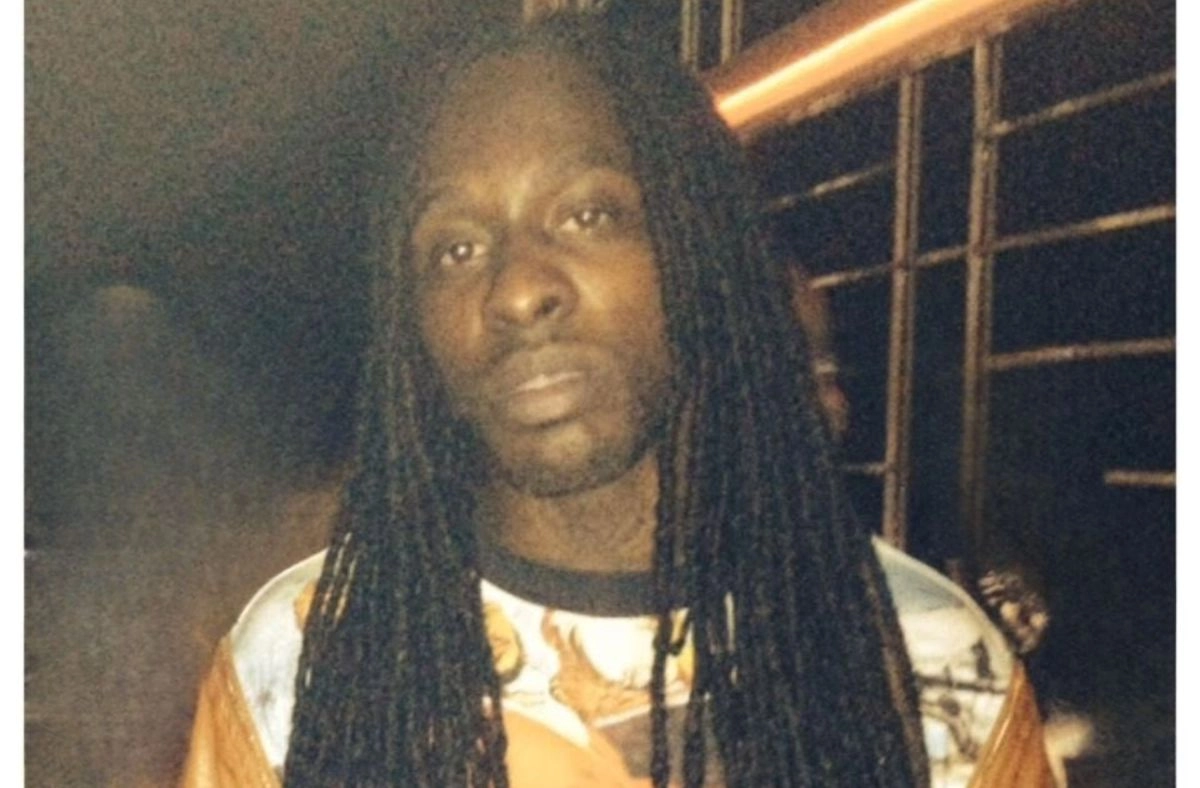

The Supreme Court ruled this Tuesday against a Rastafarian prisoner who reported having been shaved against his will inside a Louisiana prison, considering that he cannot claim financial compensation against individual officials under a federal religious protection law.
The case involved Damon Landor, a Rastafarian man whose religious beliefs require him to keep his hair long. According to his lawsuit, in 2020 officials from the Louisiana Department of Corrections (LDOC) cut off his dreadlocks during a prison transfer, even though he had shown them a court ruling that protected that religious practice.
The Supreme Court's decision was 6 to 3. The majority determined that the Religious Land Use and Institutionalized Persons Act (RLUIPA) does not allow officials to be sued personally for damages if they did not expressly accept that responsibility.
Religion, dreadlocks and religious freedom in prison
Landor was serving a sentence in Louisiana when he was transferred to another prison. Before the transfer, he explained that he feared that the authorities would cut his hair due to the prison's grooming rules.
To avoid this, he gave officials a copy of the Ware v. Louisiana Department of Corrections, a previous decision that established limits on the hair cutting of Rastafarians in prisons.
However, Landor claimed that the officers ignored his arguments, threw the document in the trash and shaved his head.
Following the incident, he filed a lawsuit under RLUIPA, a federal law that protects the religious practice of people held in institutions that receive federal funds.
The Supreme Court's decision
Justice Neil Gorsuch, who wrote the majority opinion, noted that individual officials cannot be held liable because they did not consent to take on such lawsuits under federal law.
“Mr. Landor's case cannot proceed against them, any more than a breach of contract lawsuit could proceed against a defendant who never entered into a contract,” Gorsuch wrote.
Judge Ketanji Brown Jackson, disagreeing with the majority, stated that the decision leaves prisoners who denounce violations of their religious freedom without a means of redress.
“Inmates like Landor who experience violations of their religious freedom in state prisons — no matter how egregious — are often left helpless,” Jackson said.
The Supreme Court did not determine whether Landor's haircut violated his religious rights, but instead resolved the legal question of whether he could seek financial compensation directly against the officials.