

Supreme Court limits courts blocking Trump policies
A majority of Supreme Court justices find that district courts overreach in their decisions on federal policies

As part of the decision on birthright citizenship, the justices found that district courts “overreach” in granting nationwide stays to federal policies, so now those determinations will be only for the jurisdiction or territory covered by the courts ruling on federal lawsuits.
“Some say the universal injunction 'gives the judiciary a powerful tool to check the executive branch,'” wrote Judge Amy Coney Barrett, who wrote the opinion.
Six justices granted the Trump administration's request to stay the injunctions, although they returned to the courts for further rulings.
The justices did not decide the substance of the question of whether ending birthright citizenship is constitutional.
"Federal courts do not exercise general oversight of the executive branch; they resolve cases and disputes pursuant to the authority granted to them by Congress," Barrett wrote. “When a court concludes that the Executive Branch has acted unlawfully, the solution is not for the court to also overstep its authority.”
The Supreme Court's decision will allow the federal government, in this case the Trump Administration, to move forward with its policies generally without a court challenge blocking its national plans.
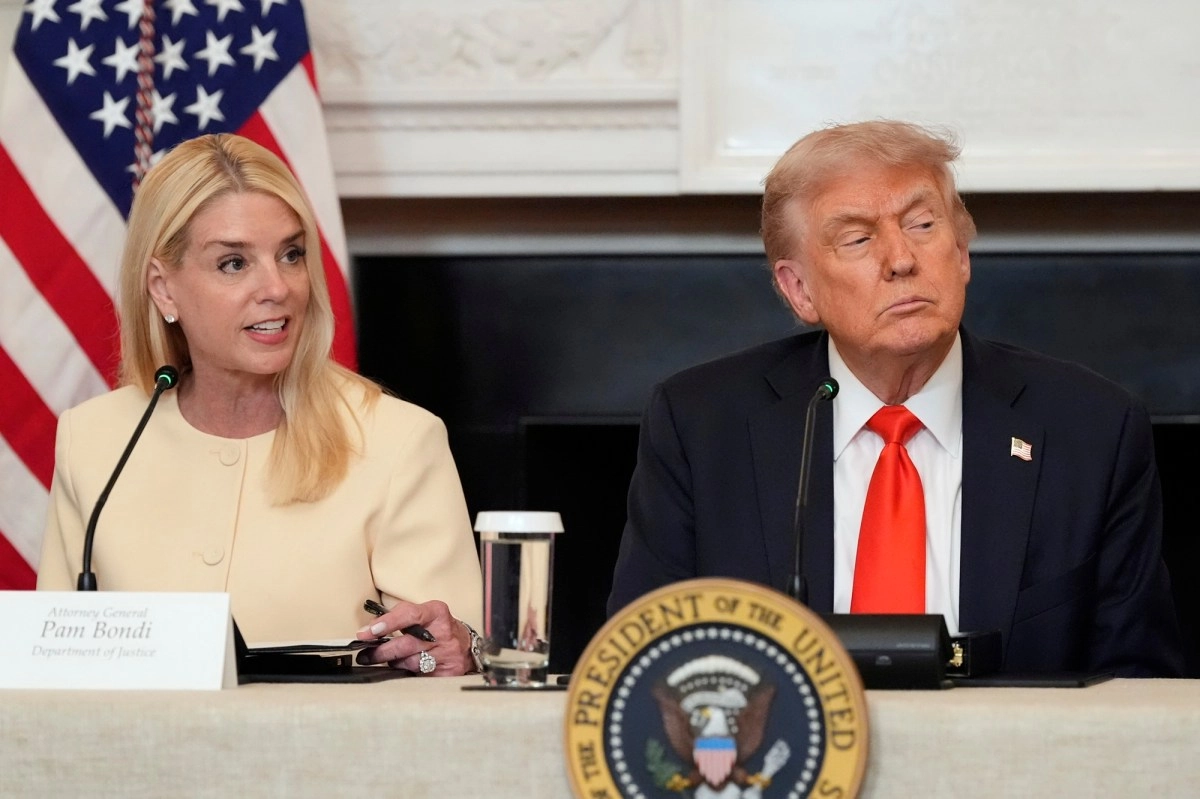
This is an important victory for the Trump Administration, particularly for Attorney General Pam Bondi, whose team led the defense.
“Today, the Supreme Court ordered the district courts to stop the endless flood of nationwide injunctions against President Trump,” she said.
It was Solicitor General John Sauer who was responsible for arguing on behalf of the Trump Administration before the Supreme Court last May, when judges were already questioning whether a district court's decision had national reach.