

Court of Appeals found Trump tariffs illegal but left them in force
An appeals court found that many of the tariffs were issued illegally
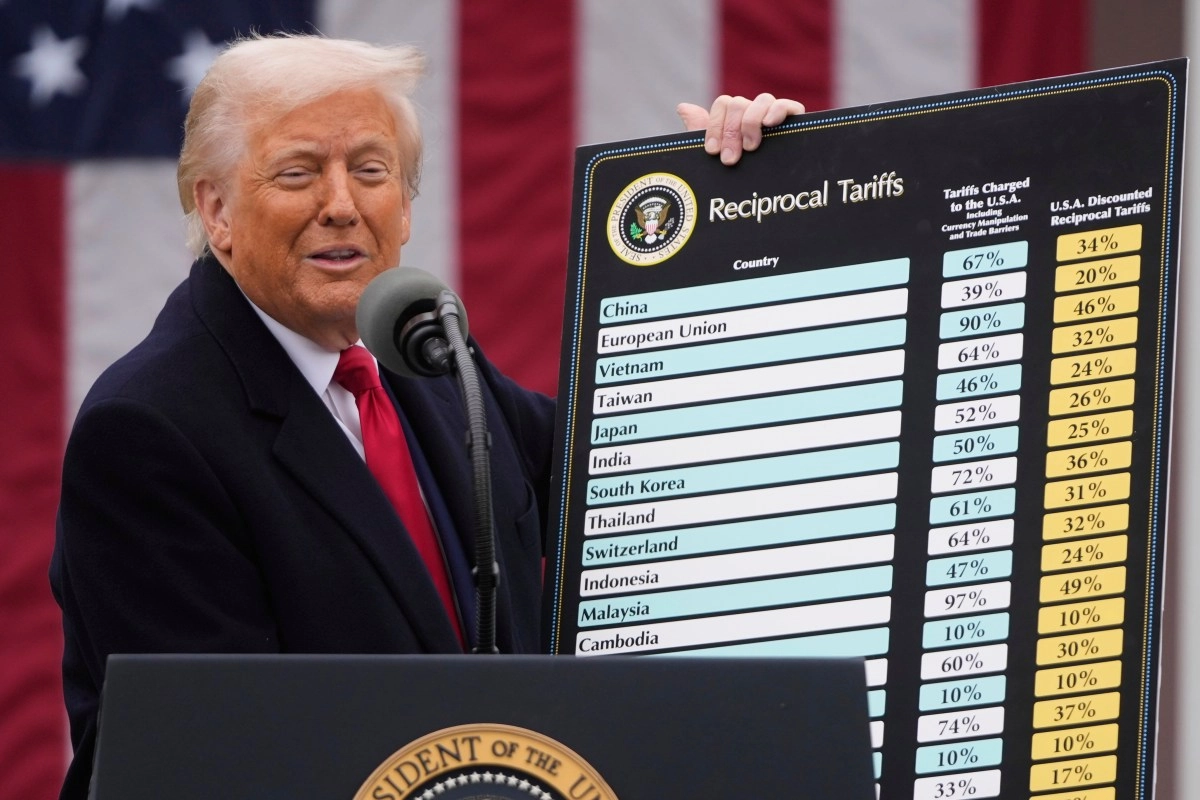

A federal appeals court ruled Friday that most of President Donald Trump's global tariffs are illegal, dealing a severe blow to the core of his aggressive trade policy.
The US Court of Appeals for International Trade for the Federal Circuit ruled 7-4 that the law Trump invoked in imposing his more expansive tariffs, including “reciprocal” tariffs, does not grant it the power to impose such taxes.
“The Constitution vests exclusively in the legislative branch the fundamental power of Congress to impose taxes such as tariffs,” the court stated. “Tariffs are a fundamental power of Congress.”
The ruling noted that most of these tariffs are outside the legal framework, but left the measure in place.
Trump's tariff policy will remain in effect until mid-October, because the ruling is intended to allow time for a possible appeal by the Trump administration to the Supreme Court, according to the ruling.
The president already anticipated that he will appeal that ruling in a message on Social Truth: "ALL TARIFFS ARE STILL IN PLACE! Today, a highly partisan appeals court incorrectly said that our tariffs should be eliminated, but they know that the United States of America will win in the end."
However, today's ruling is the second judicial setback for Trump's tariff policy and reaffirms a previous ruling issued in May by a specialized trade court in New York that already warned of the illegality of the tariffs.
The decision confirms that Trump “exceeded” his authority by using a law of 1977, known as the International Emergency Economic Powers Act (IEEPA), to impose his customs duties. The law was created to be used only in emergencies, according to the ruling. The ruling involves the tariffs Trump had imposed under the aforementioned law, which includes the most controversial and harsh ones applied against China, Canada, and Mexico. In addition, It also includes the tariffs the president authorized for other countries like India this month.
The measures that are not included in the ruling are those Trump applied to vehicles, steel, and other imported goods, because they were used under another law.