

Federal judge annuls new Pentagon restrictions on the press and declares them unconstitutional
The ruling represents a new legal setback for the Pentagon and reopens the debate on the limits between national security and the right to information
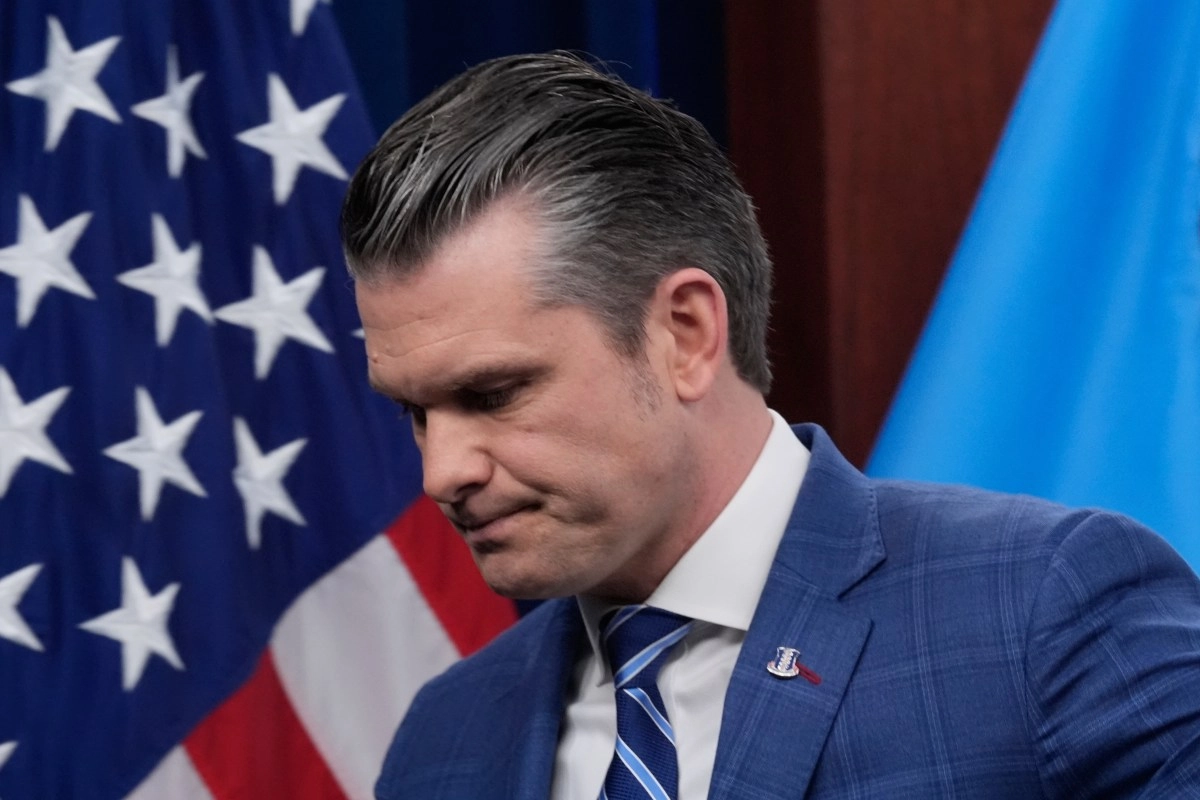

A U.S. federal judge on Thursday blocked a second attempt by the Department of Defense, headed by Pete Hegseth, to impose new restrictions on journalists' access to the Pentagon, ruling that the revised policy remains unconstitutional.
The decision was issued by Judge Paul Friedman of the Washington District Court, who concluded that the changes introduced by the Pentagon following a previous ruling did not resolve the legal objections already raised. According to the ruling, the regulations continue to violate fundamental rights such as freedom of the press and due process. The case was brought by The New York Times, which argued that the new rules limited journalistic work within the military complex. The judge agreed with this argument and maintained that the restrictions gave authorities an “excessively broad and arbitrary” margin to control reporters' access. In previous rulings, Friedman had already warned that the policy “lacks precise guidelines” and could lead to unjustified sanctions against journalists, posing a risk of censorship. Furthermore, he emphasized that these measures violate the First Amendment of the U.S. Constitution, which protects freedom of speech and of the press. As part of his decision, the judge ordered a review of the situation of the journalists whose credentials were revoked, while the Pentagon announced it would appeal the ruling and defended its policies, arguing they seek to balance national security with access to information. The original restrictions, implemented in 2025 under Hegseth's leadership, limited physical access to facilities, restricted the use of sources, and included penalties even for requesting unclassified information without authorization. These measures provoked widespread rejection from major media outlets. Organizations such as The New York Times, The Washington Post, Politico, Reuters, and the Associated Press, as well as networks like ABC and CBS,CNN and NBC, and even Fox News, where Hegseth previously worked, chose to resign their credentials in protest.