

Senate approves resolution demanding Trump end war against Iran
The Upper House rebukes the White House and demands that any military action against Tehran have express authorization from Congress
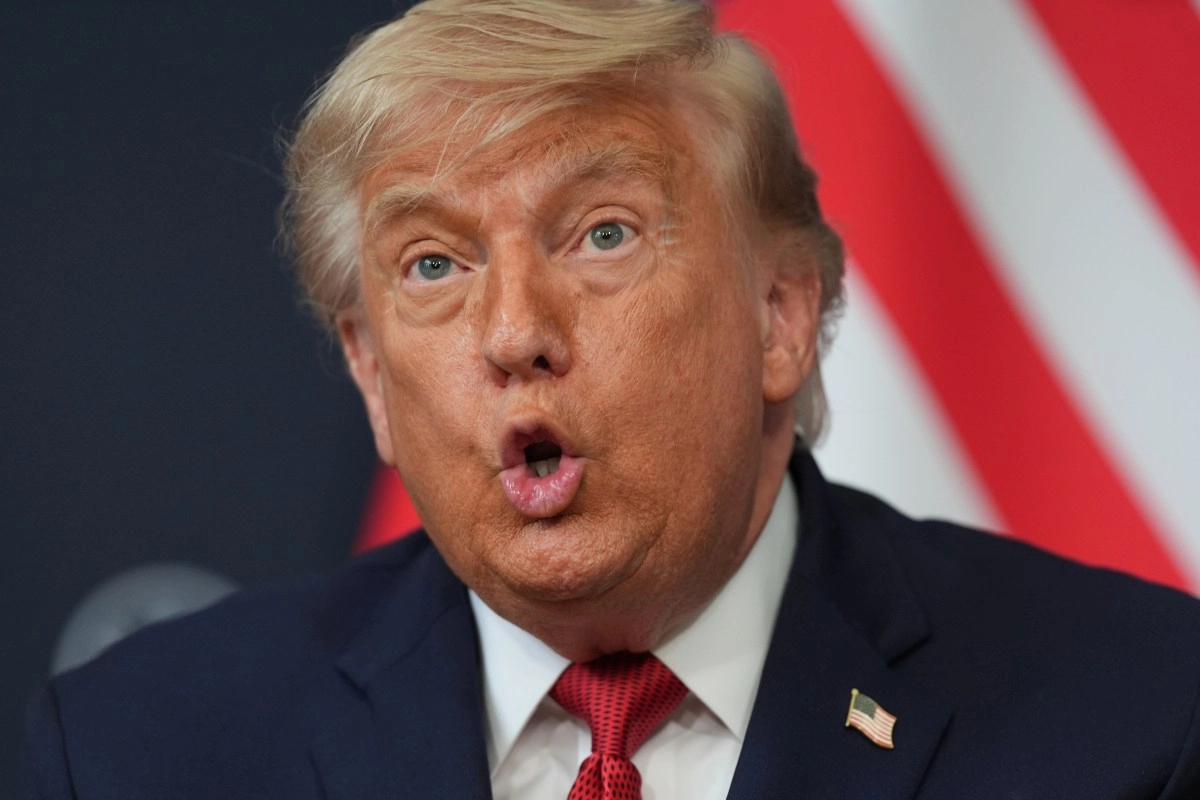

The Senate approved this Tuesday a resolution on war powers that seeks to force Donald Trump to withdraw the US Armed Forces from hostilities against Iran, unless there is a formal declaration of war or specific authorization from Congress for the use of military force. The initiative was approved by 50 votes in favor and 48 against, in a decision that constitutes the greatest political and symbolic setback for the White House strategy in the conflict with Tehran.
The resolution had previously been endorsed by the House of Representatives and now becomes the first measure of its kind to achieve a simple majority in the Senate, after several failed attempts since the beginning of the confrontation between the United States and Iran.
The approved text orders the president to withdraw US forces from any military action against Iran that has not been expressly authorized by Congress. The measure is based on the War Powers Law of 1973, created to reinforce the constitutional power of the Legislative Branch to decide on the country's participation in armed conflicts.
The vote showed divisions within the Republican Party. Republican Senators Susan Collins, Lisa Murkowski, Bill Cassidy and Rand Paul joined most Democrats in supporting the resolution. In contrast, Democrat John Fetterman voted against.
The result came after months of growing unrest on Capitol Hill over the conduct of the war and a lack of detailed information about the agreements negotiated between Washington and Tehran. Lawmakers from both parties have questioned both the economic cost of the conflict and the lack of formal legislative authorization for military operations.
Although the resolution has strong political weight, its legal scope is limited. As a concurrent resolution, it does not require a presidential signature and could face legal questions about its binding nature, a debate that could eventually reach the federal courts.
Unlike bills, these resolutions do not require the president's signature and therefore lack the force of law.
The conflict between the United States and Iran has raged since February 2026 and has generated intense debates about Congress's role in authorizing military action. Various analysts and legislators maintain that the approval of this resolution reflects a growing intention of the Capitol to recover constitutional powers in matters of war and foreign policy.
The Senate approval also comes amid questions about the 14-point memorandum of understanding negotiated by the Trump administration with Iran.
With this historic vote, the Senate sent a signal of disagreement with the conduct of the conflict and reinforced the debate on the limits of presidential power to involve the country in military operations without the explicit support of Congress.