

Charging your phone in your car could be destroying the battery of your equipment
Charging your phone battery from a car can be a terrible idea if you want your device to complete its useful life
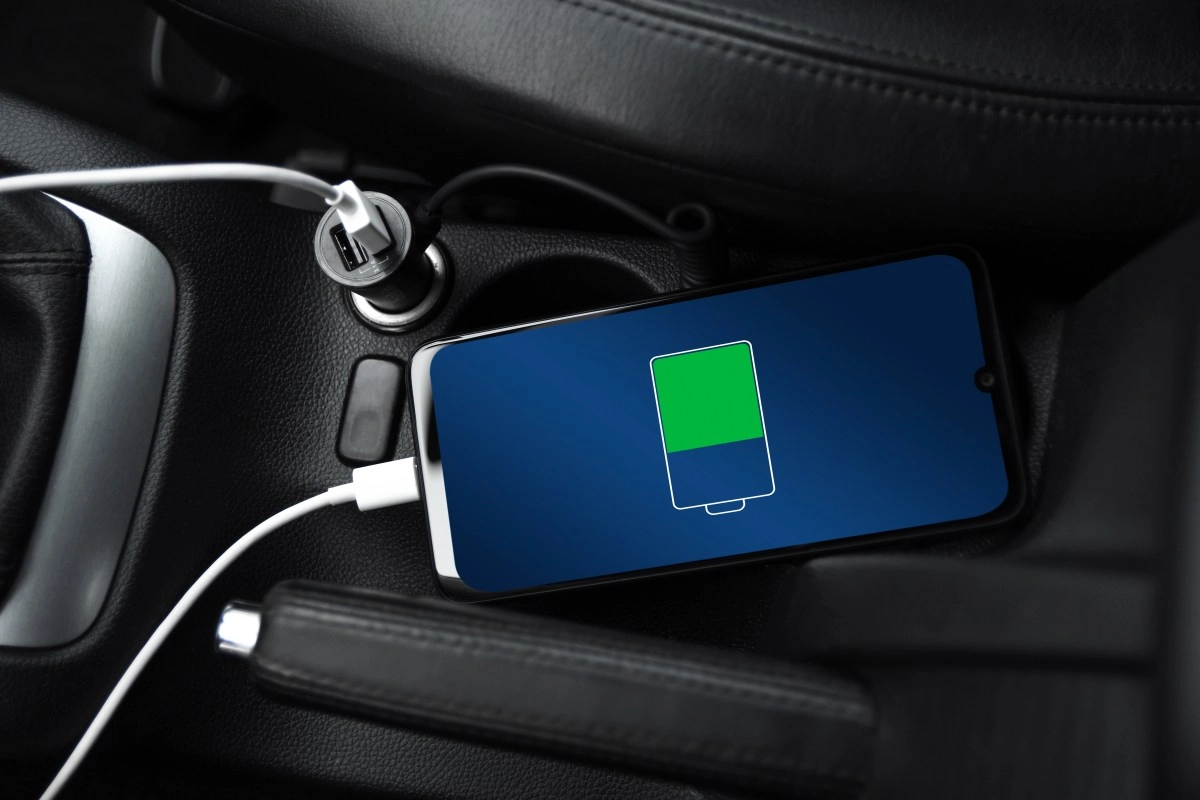

Many drivers believe that charging their cell phone while driving is just a convenient "plus": they see the charging icon and think that this way they avoid running out of battery. However, this power flow isn't stable or regulated like that of a home's wall. The electricity that comes from the alternator and runs through the car's electrical system is exposed to sudden fluctuations: every time you turn on the air conditioning, lights, or stereo, voltage spikes and drops occur that disrupt this supply. This electrical fluctuation isn't kind to lithium-ion batteries. Unlike a home charger that carefully regulates the current, car adapters and USB ports especially if they're cheap or low-quality aren't always protected, leaving your phone exposed to this electrical cocktail. And that constant stress takes a toll on the battery's internal chemistry, slowly degrading it and reducing its maximum capacity over time.
Heat destroys your phone's battery
Charging a smartphone already generates heat: it's a natural part of the process. But if you do it inside a car, especially in the summer, or if you leave it on the dashboard, it becomes a mini oven. Lithium batteries are super sensitive to high temperatures; heat accelerates chemical reactions and, yes, also accelerates the degradation of their internal components.
And it doesn't just affect the battery: other internal circuits can be compromised, reducing the phone's overall performance. Although many models have systems that stop charging if they detect that the device is too hot, constant exposure to the car's heat is a danger we often underestimate. On hot days, the interior of a car can far exceed the safe limits of 0 to 35°C, which not only degrades your battery, but can also damage the screen, warp the casing, and even start fires!
How to protect your device if you need to charge it in the car?
In situations where you have no other option but to charge your phone in the car, the safest way to do it is to use a quality adapter, made by a trusted brand and with a voltage regulator that minimizes the effects of electrical fluctuations. It's equally important to keep your device in a cool place and protected from direct light, avoiding the dashboard and other surfaces exposed to the sun.
While this practice can get you out of a pinch, it's recommended that you treat it as an emergency solution and not as a regular charging method. Using the original charger connected to a wall outlet is still the best way to ensure the battery stays in good condition for longer.