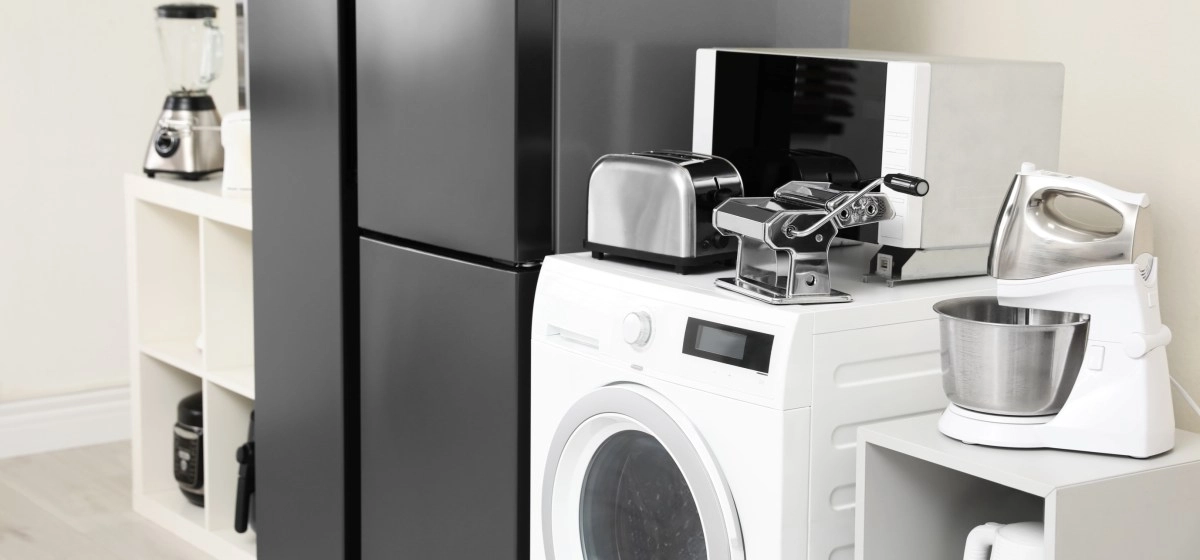

Recent research by Professor Changhyuk Kim of Pusan ??National University (South Korea) reveals that small household appliances, such as hair dryers, toasters, and air fryers, are significant sources of ultrafine particles (UFP). These particles, which can contain heavy metals, pose a significant health risk, especially to children. “In the long term, reducing UFP emissions from everyday devices will contribute to creating healthier indoor environments and reducing the risks of chronic exposure, particularly for young children, compared to the current situation,” the professor stated, in comments reported by Newsweek. The research compared household appliances with brushed DC motors and brushless motors. The results showed that devices with brushed motors emit particle concentrations 10 to 100 times higher than those using brushless motors, a cause for serious public health concern. The researchers identified that many heating coils contain heavy metals such as copper, iron, and aluminum. Inhalation of these particles can cause inflammation and cytotoxicity, particularly affecting children due to their smaller airways.
The study highlighted that infants and young children could receive proportionally higher doses of harmful particles compared to adults under similar exposure conditions.
Public Health Implications
This study highlights the need to develop public health policies that consider UFP emissions from common household appliances.
It is emphasized that, in the long term, reducing these emissions could lead to healthier indoor environments, minimizing chronic exposure in children.
Reducing Ultrafine Particles in the Home
To reduce exposure to ultrafine particles in the home,Implement adequate ventilation and use air purifiers with HEPA filters. These measures capture particles smaller than 0.1 micrometers from kitchens, fumes, or external pollutants.
Effective ventilation. Open windows for 10 minutes a day during times of low outdoor pollution to refresh the air without introducing additional particles.Install exhaust fans in kitchens and bathrooms to remove fumes and condensation that generate particles.
Advanced filtration. Use air purifiers with high-efficiency HEPA filters, which remove up to 99.97% of ultrafine particles. Perform regular maintenance on air conditioning filters to prevent buildup.
Cleaning and habits. Avoid carpets or use HEPA vacuum cleaners with disposable bags to reduce dust and allergens. Opt for natural cleaning products such as vinegar or baking soda, and prohibit smoking indoors.
Source control. Maintain humidity between 30-50% with dehumidifiers to prevent mold, and choose paints and cleaners low in volatile organic compounds (VOCs). Avoid scented candles and gas stoves without a vent.
You may also be interested in: