

Message summary: the new WhatsApp feature for the laziest
The tool works through Meta's Artificial Intelligence but maintaining privacy in each conversation
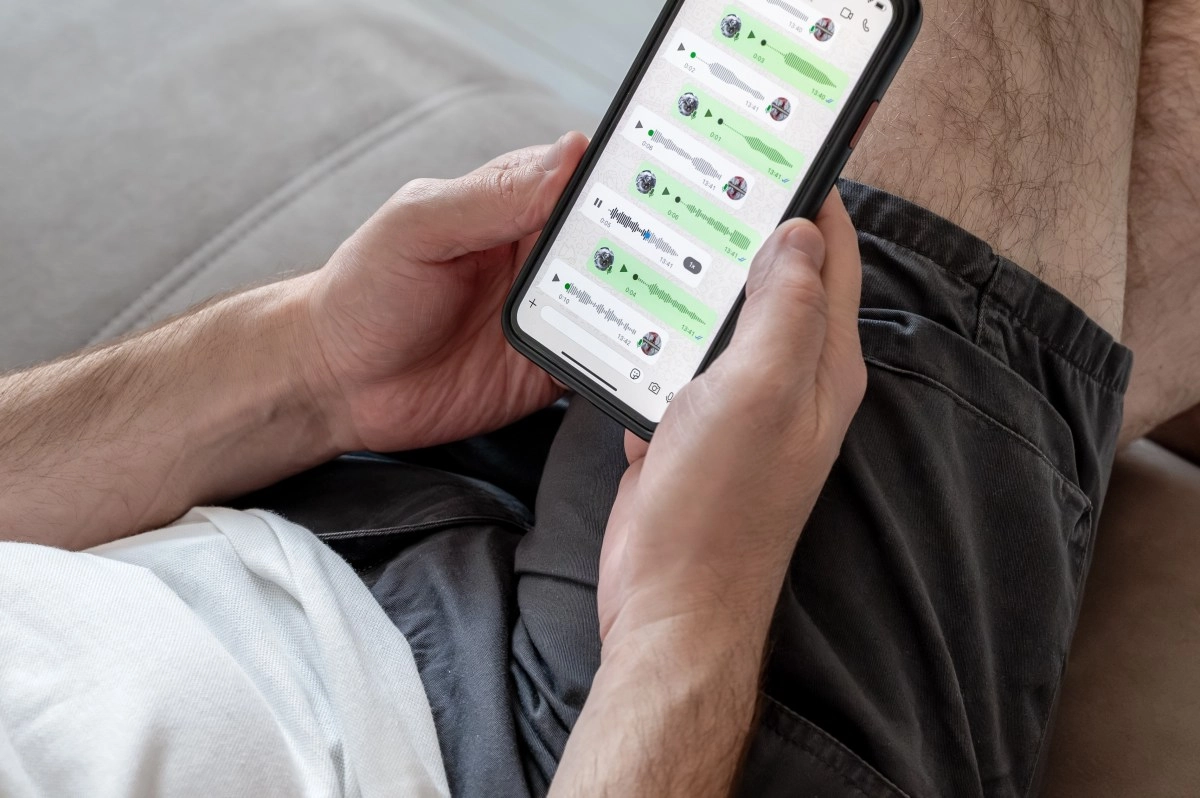

WhatsApp is once again betting on artificial intelligence with a tool designed for those who tend to accumulate dozens of unread chats. The new feature, called Message Summary, lets you see the most important points of a conversation without having to open it.
The new feature, revealed by media outlets such as The Verge, uses Meta AI to automatically generate an summary of unread messages, displaying the most relevant information instantly and privately. For now, the feature is in the testing phase in the United States, available only in English.
How this new tool works
The system analyzes pending messages and generates a brief summary of the highlights, which appears in bullet format at the top of the chat. Once the content is read or scrolled through, the summary disappears without a trace.
WhatsApp ensures that processing is done directly on the device, under its private processing policy, without sending data to external servers.
According to The Verge, the company aims for the Meta AI assistant to help reduce the time users spend reviewing long conversations or work groups. The feature will also be useful for those who use WhatsApp as a professional communication channel and need to stay up-to-date quickly.
Step-by-step activation
To use this tool, users will have to activate it manually. The procedure consists of going to Settings → Advanced Privacy → AI Tools → Summarize messages, and then selecting “Summarize privately” within chats with unread messages.
During the testing phase, several users have highlighted its usefulness for catching up with large groups or conversations that go on for days. The system offers a clear reading of the most mentioned topics, avoiding the usual saturation caused by accumulated notifications.
A step closer to intelligent automation
With this update,WhatsApp is strengthening its strategy of incorporating AI tools into its ecosystem, seeking to balance efficiency and privacy. Although its initial reach is limited, the company plans to expand this feature to more languages and regions throughout 2025.