

Why one of your wireless headphones discharges before the other
There's a reason very few users know about why one of their wireless headphones drains its battery much faster than the other
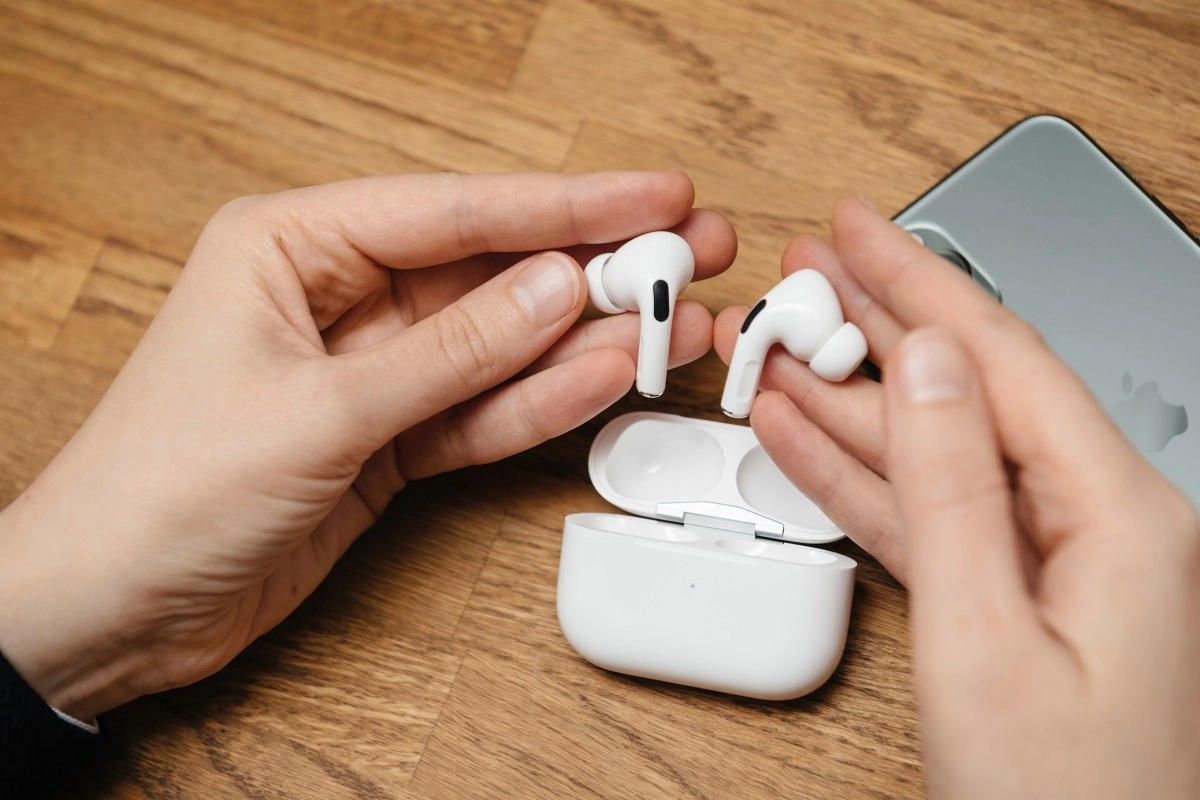

You were probably listening to your favorite song when suddenly one earbud turned off. It's very likely you've experienced this annoying situation at some point. You can rest assured that it's normal for one earbud's battery to drain faster.
These days we depend on these small devices to work in the office or relax at home with a good podcast. However, it's incredibly frustrating when one of them dies in the middle of an important call. Understanding this fascinating technological phenomenon will help you improve your daily user experience. This asymmetrical behavior has very specific technical foundations that are worth knowing. Manufacturers design these devices with complex power management systems in tiny spaces. All of this directly impacts the battery life of each individual unit while you're playing your content. The primary connection role: The main reason for this difference lies in how they connect to your phone. In most cases, one earbud takes on the primary role of receiving the phone's signal. This same device then relays the audio to the second earbud. This dual task requires considerable energy. The primary earbud processes the information and maintains two simultaneous connections. Therefore, it is entirely expected that its energy level will decrease much faster than that of its companion. Some manufacturers indicate that a difference of up to 20 percent in battery level is normal. Although the official source does not detail the exact milliamp consumption of this transmission, it does confirm that the extra effort negatively impacts battery life. Furthermore, environmental interference or distance from the phone affects this primary connection. If the signal is unstable, the device will need more power to avoid losing the link. This inevitably accelerates battery drain in that specific unit.
Microphone Usage and Wear
Another key factor is microphone use during calls. The system typically assigns voice capture to a single earbud. Keeping the microphone on consumes more energy than simply playing music.
Many people have the habit of always using the same earbud for phone calls.This repetitive preference leads to even wear on the lithium cells over time. The batteries simply age at different rates.
Touch controls and proximity sensors also play a role. If you always pause the music by touching the right earbud, it will process more commands. Each touch activates internal circuits that reduce valuable minutes of continuous playback.
There are even small manufacturing tolerances that influence this behavior. This means that two batteries that are identical on paper can have slightly different current capacities. Over the months, this performance gap becomes much more noticeable.