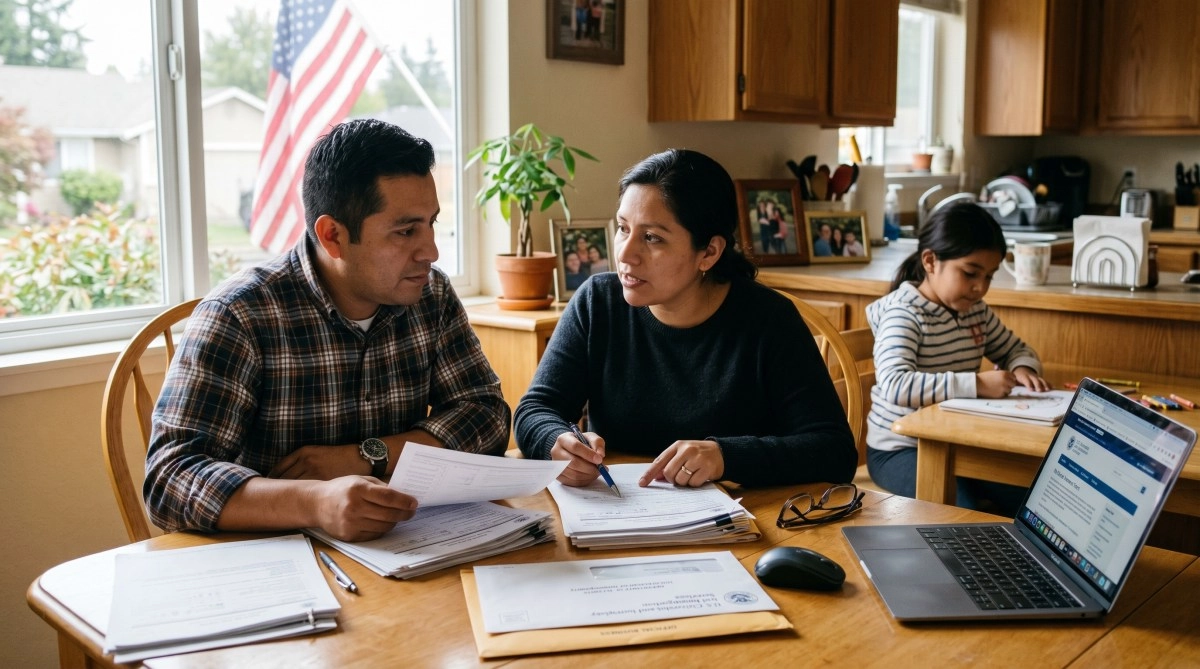

Thousands of immigrants in the United States enter May awaiting an appointment, a renewal, or an immigration response. And this month brings significant changes from USCIS, affecting green card applications, work permits, and status adjustments. This isn't a single, general change for everyone, but rather several official updates that impact different types of cases. For many Latino families, understanding what has changed can prevent delays, costly mistakes, or unrealistic expectations. New USCIS Rules in the United States: Among the changes are new rules for certain applicants for residency, stricter criteria for some work permits, and key dates for those hoping to move forward with their green card. The most important change in May: employment-based green cards will use more restrictive deadlines. USCIS confirmed that, starting in May 2026, those applying for adjustment of status based on employment categories will have to use the State Department's Final Action Dates table, and not the more flexible "Dates for Filing" table that sometimes allows for earlier filing. In practice, this means that some people who planned to file their applications this month may have to wait longer. This is relevant news for employer-sponsored workers, skilled professionals, and families who have been following these processes for years. See also: 15 reasons why you can be deported even if you have a Green Card in the US Work permits: more controls and reduced validity in some cases. USCIS also reported adjustments related to the review of work permits in recent months, including shorter validity periods in certain categories and enhanced security controls. This may especially impact those awaiting EAD renewal, those who depend on the permit to continue working, those with pending immigration proceedings, and/or those who need to avoid work interruptions.
The most frequent recommendation from specialists is to renew well in advance and review the exact category of the case.
Fewer automatic extensions for renewals
Another change that continues to affect applications in 2026 is the end or limitation of some automatic extensions for work permits filed after certain dates. USCIS had already announced modifications on this point.
For many immigrants, this is key: assuming that the permit “extends itself” can create employment problems if it doesn't apply to their specific situation.
Specific change starting in May for SIJ immigrant youth
Starting May 10, 2026, USCIS will apply a new policy for applications related to the Special Immigrant Juvenile (SIJ) program, an immigration pathway for certain vulnerable minors. The agency indicated that it will no longer automatically revoke certain I-360 forms under specific circumstances. This is a technical change, but an important one for those in the process. What should those waiting for a green card or permit do? May can be a sensitive month for many cases. It's advisable to check if your immigration category has changed, confirm which table USCIS is using this month, and check your work permit expiration date. It's also crucial to keep receipts and notifications, avoid sending old forms, and seek reliable legal help if your case is complex. The most common mistake: believing that all changes apply to everyone. There isn't a single "new USCIS rule" that affects the entire immigrant community equally. Each immigration benefit has different categories, dates, and requirements. Therefore, when alarming messages about green cards or permits circulate, it's crucial to check if it actually applies to your case. The concern is reasonable. For millions of Latinos in the United States, a valid work permit or progress toward permanent residency is not just a formality. It represents access to formal employment, family stability, and the ability to plan for the future. That's why any change by USCIS generates so much concern.
Specific Change Starting in May for SIJ Immigrant Youth
Starting May 10, 2026, USCIS will implement a new policy for applications related to the Special Immigrant Juvenile (SIJ) program, an immigration pathway for certain vulnerable minorities. The agency indicated that it will no longer automatically revoke some I-360 forms under certain circumstances.
It's a technical change, but an important one for those involved in the process.
What Should Those Waiting for a Green Card or Permit Do?
May can be a sensitive month for many cases. It is recommended to check if your immigration category has changed, confirm which table USCIS is using this month, and check your work permit expiration date. It is also key to keep receipts and notifications, avoid sending old forms, and seek reliable legal help if your case is complex.The most common mistake: believing that all changes apply to everyone. There is no single "new USCIS rule" that affects the entire immigrant community equally. Each immigration benefit has different categories, dates, and requirements. Therefore, when alarming messages about green cards or permits circulate, it is crucial to check if it actually applies to your case. The concern is reasonable. For millions of Latinos in the United States, a valid work permit or progress toward permanent residency is not just a formality. It is access to formal employment, family stability, and the possibility of planning for the future. That is why any USCIS change generates so much concern.
Specific Change Starting in May for SIJ Immigrant Youth
Starting May 10, 2026, USCIS will implement a new policy for applications related to the Special Immigrant Juvenile (SIJ) program, an immigration pathway for certain vulnerable minorities. The agency indicated that it will no longer automatically revoke some I-360 forms under certain circumstances.
It's a technical change, but an important one for those involved in the process.
What Should Those Waiting for a Green Card or Permit Do?
May can be a sensitive month for many cases. It is recommended to check if your immigration category has changed, confirm which table USCIS is using this month, and check your work permit expiration date. It is also key to keep receipts and notifications, avoid sending old forms, and seek reliable legal help if your case is complex. The most common mistake: believing that all changes apply to everyone. There is no single "new USCIS rule" that affects the entire immigrant community equally. Each immigration benefit has different categories, dates, and requirements. Therefore, when alarming messages about green cards or permits circulate, it is crucial to check if it actually applies to your case. The concern is reasonable. For millions of Latinos in the United States, a valid work permit or progress toward permanent residency is not just a formality. It is access to formal employment, family stability, and the possibility of planning for the future. That is why any USCIS change generates so much concern. It's crucial to review whether it truly applies to your case.
The concern is reasonable. For millions of Latinos in the United States, a valid work permit or progress toward permanent residency is not just a formality. It represents access to formal employment, family stability, and the ability to plan for the future. That's why any change by USCIS generates so much concern.