

You're using a generic charger and it's not activating fast charging: here's what's happening
There are multiple reasons why your phone may charge much slower than your generic charger promises
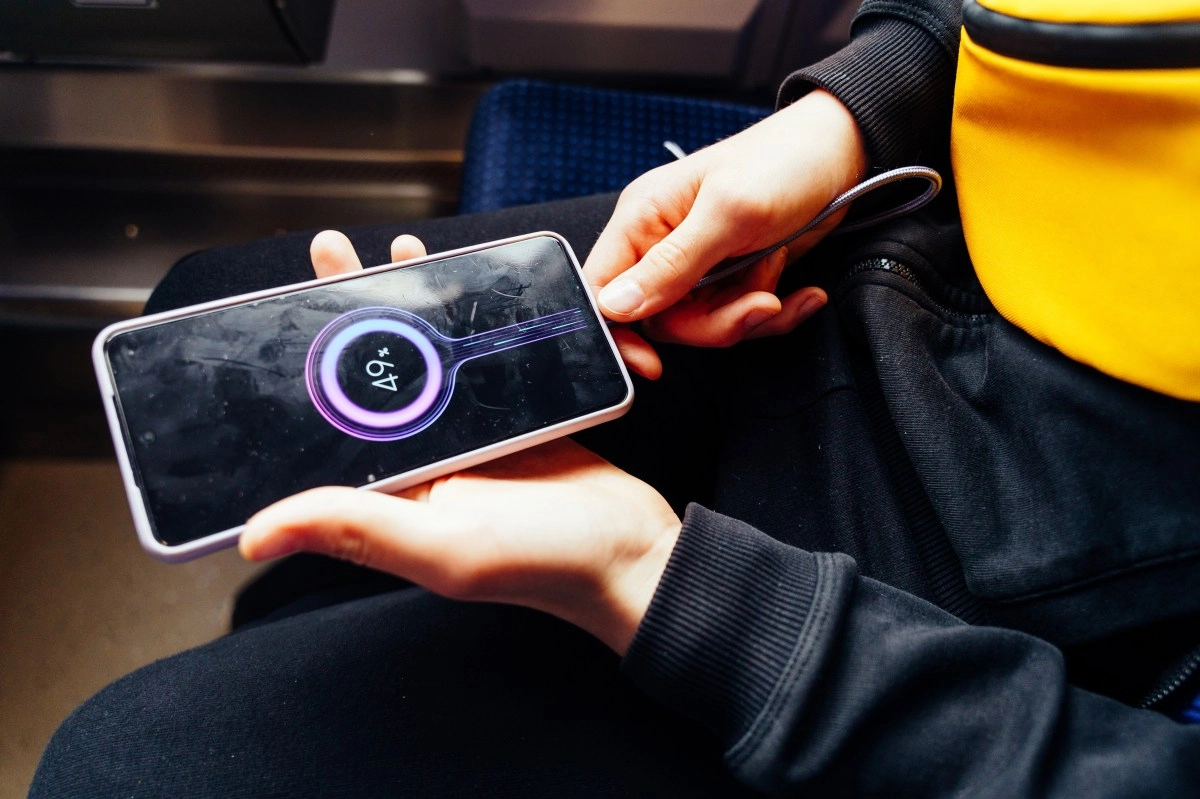

Your phone "doesn't recognize" a generic fast charger almost always for one boring (but key) reason: they're not speaking the same charging language. When that happens, the phone takes the safe route and drops to a slower charging mode (sometimes 5V/2A or something similar), even if the charger in the box claims "65W" or "120W".
Not all charging cables are created equal
Fast charging isn't just about "more watts"; it's a negotiation between three parties: phone, charger, and cable. In standards like USB Power Delivery (USB-PD), the charger doesn't just "push" power randomly: the phone requests a profile (voltage/current), and the charger responds by determining if it can deliver it.
If that generic charger doesn't support the exact protocol your phone wants (for example, USB-PD, or USB-PD with PPS), the deal falls through, and both end up with the lowest common denominator. That's why you might see the message "Charging" or "Fast Charging" on the screen, but with a much lower actual power output.
Sometimes the charger does support the standard, but the cable doesn't.
In USB-C, cables are not all the same: for high power outputs (for example, when more than 3A is needed), the system may require a cable with an identification chip (E-Marker) to confirm that the cable can safely handle that current. If the cable is not "identified," the phone limits the power.
The brands' trick: proprietary protocols and "locks" (cable + charger)
Here comes the less romantic part: many brands accelerate charging with their own technologies that, by design, work best (or only work) with their charger and cable. A classic example is OPPO/OnePlus and its VOOC/SuperVOOC family: this technology uses an approach that prioritizes increasing the current (instead of increasing the voltage), which requires thicker cables and a specific adapter + cable combination to achieve maximum speed. With VOOC/SuperVOOC, using a third-party cable with the adapter can result in significantly slower charging, which is why the standard "requires" a proprietary charger and cable to deliver full performance.
This type of strategy achieves two things at once:
And it's not just Android. Apple, for example, makes it clear that for fast charging you need an adapter that supports USB Power Delivery (USB-PD) (in addition to the correct cable for your model), and that fast charging depends on variables such as adapter, configuration, usage, and temperature.
Why are generic cables slower?
The most common reason is that the generic charger is inflating the maximum number "in theory," but in practice it doesn't offer the exact profile that your phone negotiates.
In USB-PD, if there's no valid negotiation, the system stays at 5V by default or on more conservative profiles.
Typical causes (the ones I see all the time in tests and in real life) are:
If you want to maximize speed without being tied to the official charger, look for this: a charger with USB-PD (ideally with PPS if your phone uses it), and a 5A USB-C cable with E-Marker when you're in high power ranges. Fast charging is as fast as your cable allows.