

US blockade to receive citizens of 12 countries enters force
The ban affects Afghanistan, Burma, Chad, Congo, Equatorial Guinea, Eritrea, Haiti, Iran, Libya, Somalia, Sudan, and Yemen, according to the White House
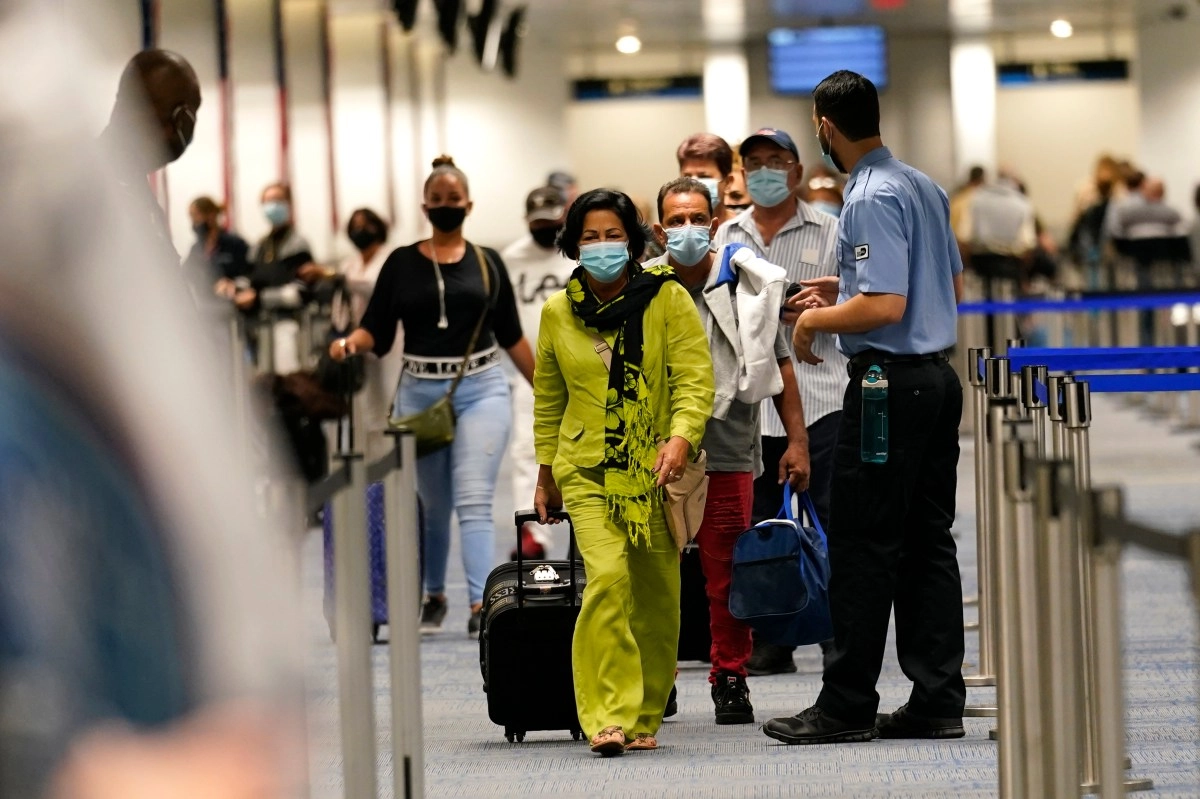

The decision announced last Wednesday by US President Donald Trump to prohibit travel to the US from 12 countries, including Haiti, and to restrict the entry of citizens of seven other nations, including Cuba and Venezuela, has just entered into force this Monday.
As it was Scheduled to take effect Monday at 1:00 a.m. local time on the US East Coast (4:01 a.m. GMT), this order also establishes a 90-day period for Secretary of State Marco Rubio to submit a report to Trump following up and recommending whether to continue, terminate, modify or supplement this provision.
The new presidential decree prohibits entry to the United States of citizens of 12 countries: Afghanistan, Burma, Chad, Republic of the Congo, Equatorial Guinea, Eritrea, Haiti, Iran, Libya, Somalia, Sudan and Yemen.
In turn, it restricts access to the United States of nationals of seven others: Burundi, Cuba, Laos, Sierra Leone, Togo, Turkmenistan and Venezuela.
The proclamation contemplates several exceptions, including people who already have a valid visa and are within the United States, as well as for citizens of these countries who have permanent residence in the United States (also called 'green card') or dual citizenship.
“Reduce the validity”
In addition, people with diplomatic visas, athletes, coaches and members of sports teams traveling to major events such as the Olympic Games or the World Cup, and people from Afghanistan with a special visa are excluded.
Although the decree prohibits the entry of Cubans and Venezuelans who have tourist (B-2), business (B-1), study (F, M) or cultural or academic exchange (J) visas, it orders U.S. embassies and consulates to “reduce the validity” of any other nonimmigrant visas for citizens of these countries, “to the extent permitted by law.”
After the announcement, Trump argued that the measure is necessary to protect the country's "national security" and recalls a measure he took during his first term, when he banned the entry of people from seven Muslim-majority countries.
The affected nations, the US government argues, do not share information with Washington about their citizens to "evaluate the risks of terrorism or public safety."
In turn, the White House added, these "represent a significant risk of staying in the US beyond the time authorized by their visas."