

One car per person? In Mallorca, the rules have changed
Starting in the summer of 2026, Mallorca will impose a limit of one car per person for those who do not permanently reside on the island.
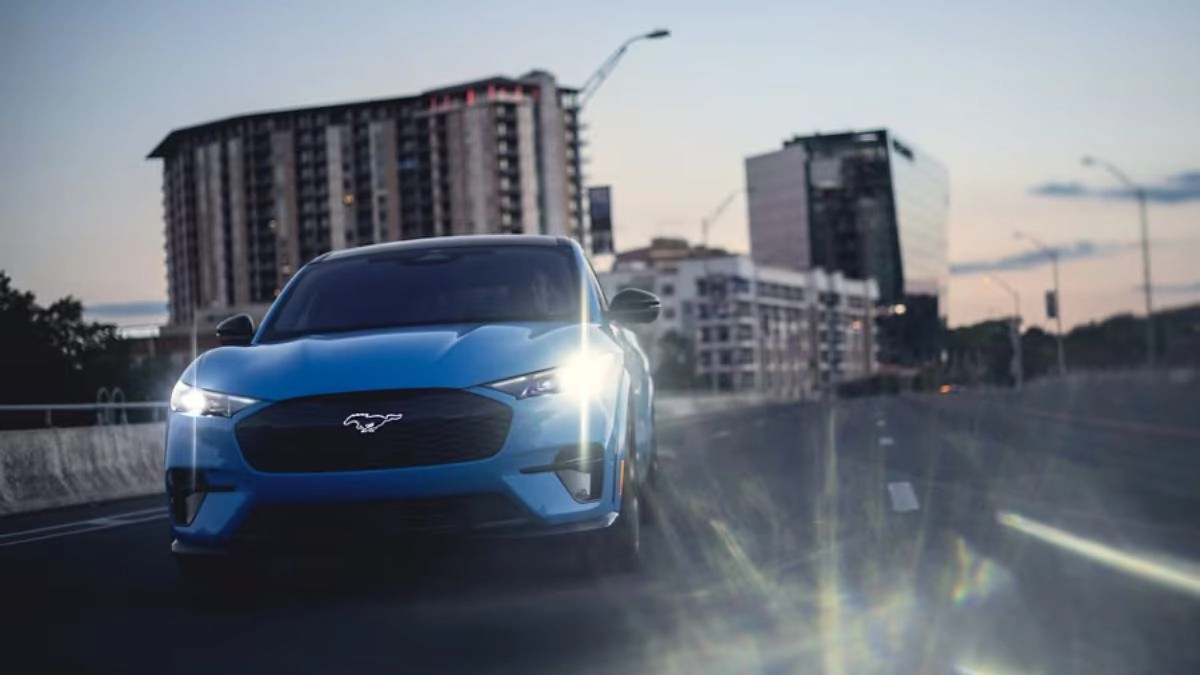

In Mallorca, summer is no longer synonymous only with sun, beaches, and tourists. In recent years, the unstoppable increase in cars in circulation has begun to threaten the essence of the island. Thicker air, congested roads, and an infrastructure that can't cope are symptoms of a model that has reached its limit.
Read also: Tesla stockpiles Cybertrucks with no way out of inventory
Faced with this situation, local authorities have decided to take a drastic step: limiting vehicle ownership to one per person, especially for those who don't reside on the island year-round.
You can read: Elon Musk breaks with Donald Trump and revives Tesla's value
Far from being a momentary whim, this proposal stems from the urgency of protecting a unique environment and alleviating pressure on local resources. The president of the Consell de Mallorca, Llorenç Galmés, was clear when presenting the initiative during the General Policy Debate: "Mallorca needs to regulate the entry of vehicles that do not pay road tax into the Balearic Islands."
With this announcement, the island's executive seeks to bring order to an unsustainable situation. And in 2023 alone, more than 379,000 vehicles arrived on the island by sea, representing a 108% increase compared to 2017. A figure that translates into more congested streets, more polluting emissions, and an increasingly compromised quality of life, especially during the high season months.
The plan, which will be evaluated by the Mobility Commission after the draft is presented on June 13, contemplates that each non-resident - even if they own a home on the island - may only have one vehicle fiscally registered in Mallorca.
The measure does not directly affect permanent residents, but it does affect those who visit the island frequently and generate a significant impact on local mobility.
The road load study that supports these decisions concludes that the reasonable ceiling for automobiles in Mallorca is 834,263 vehicles,a reference based on 2017 figures.
However, in August 2023, more than 956,000 cars circulated on Mallorcan roads. This excess not only puts a strain on the road infrastructure, but also raises pollution levels and makes coexistence difficult between residents and visitors.
To alleviate this pressure, the Consell's plan will also include a broader package of measures.
Among them is the creation of a tax for those vehicles that do not pay taxes in the Balearic Islands and that enter during the months of highest tourist demand. Added to this is a new system of maximum circulation quotas, the amount of which will be defined annually or biannually.
One of the most controversial measures will be the limitation of rental cars, a sector that floods the island with thousands of units during the high season. Authorities insist that this is not a tourism crackdown, but rather a necessary restructuring to ensure the island's long-term viability.
Furthermore, a transition to electric or low-emission vehicles will be promoted. Sustainability will be a priority criterion when granting driving licenses and registering new vehicles.
This policy not only aligns with the climate goals of Spain and Europe, but also seeks to improve air quality and reduce noise, two growing problems in many Mallorcan towns.
Now, the debate and controversy
The debate, as expected, has already begun. Some sectors consider the initiative to represent a necessary advance in ecological and social terms, while others see it as an excessive limitation on individual freedoms and a potential barrier to tourism development.
What is clear is that Mallorca is at a crossroads. Its natural appeal, climate, and lifestyle have made the island a magnet for visitors from all over the world. But that success has also had consequences. The balance between welcoming visitors and protecting the territory now seems to be the top priority.
For Galmés, the measure is not a restriction, but rather a way to preserve the island's most valuable asset. "Mallorca is a paradise that we must all care for," he affirmed during his speech. He added: "This is not about punishing anyone, but rather ensuring that the island remains a habitable and sustainable place."
The proposal still needs to go through several legislative steps before its implementation, but the message is already clear: Mallorca wants to breathe. It wants to once again be an island where you can walk without noise, move around without stress, and live together without overcrowding.
Perhaps the one-car-per-person measure is not the definitive solution, but it is, without a doubt, a powerful commitment.Because taking care of the environment also means rethinking our habits, even when that means leaving the car at home.