

WMO warns that tragedy in Texas reflects insufficiency of early warning systems in the world
Following the tragedy, new questions have arisen about when the first emergency alerts reached the inhabitants of the affected area.
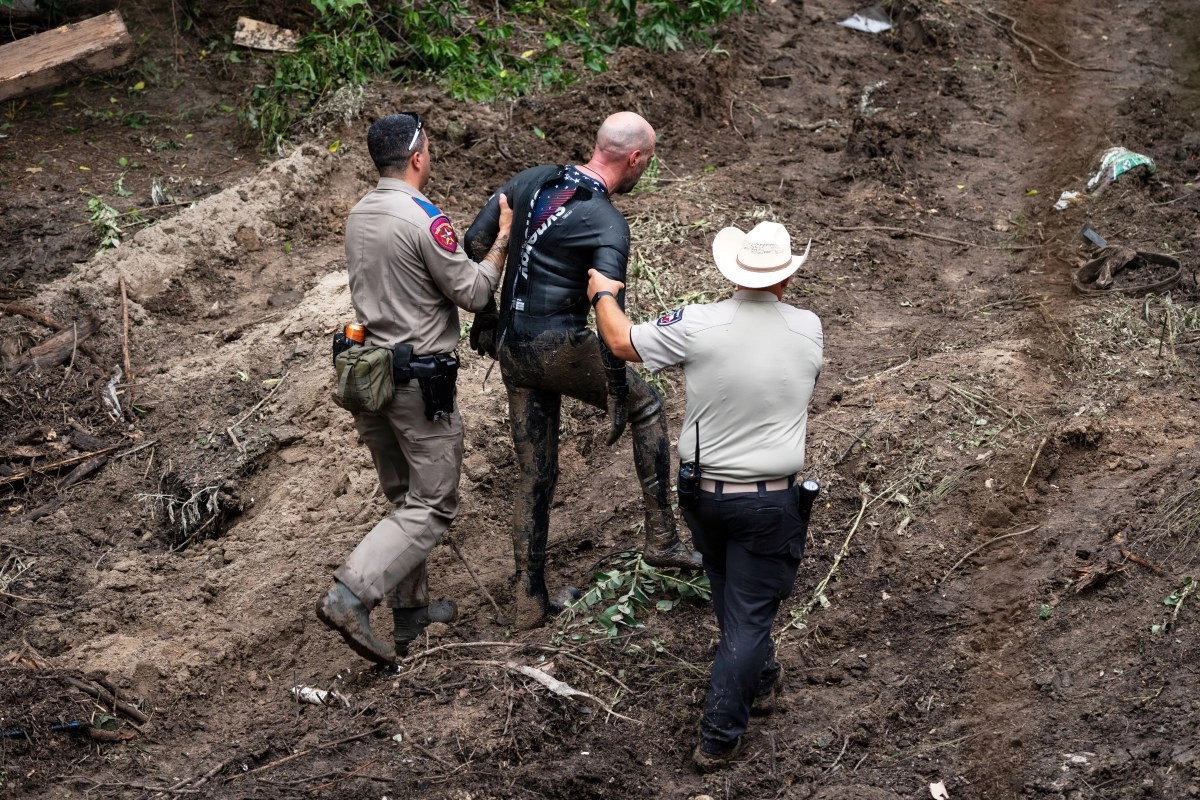

Authorities updated the death toll from the devastating floods in Texas to 120. In Kerr County alone, 96 people have been confirmed dead, while the remaining deaths occurred in five other counties near San Antonio.
However, the magnitude of the tragedy has a much deeper meaning. According to the World Meteorological Organization (WMO), highlighting the challenge of ensuring early warnings for all, flash floods are one of the world's deadliest natural hazards, causing more than 5,000 deaths each year. According to the organization, such flooding accounts for around 85% of flooding incidents and also has the highest mortality rate among different flood categories, including river and coastal flooding. Eight meters in 45 minutes The United States National Weather Service issued a flash flood warning for Kerr County more than twelve hours in advance. This was upgraded to a flash flood watch about three hours in advance, culminating in a flash flood emergency, which was broadcast on weather radio, emergency management systems, and television and radio. But one of the problems is that the last warnings came when people were sleeping and there were no sirens. locals in the camps," WMO said.
Waters rose dramatically around 4 am, with the Guadalupe River rising nearly eight meters in 45 minutes.
Effect of climate change
The frequency and intensity of flash floods are increasing in many regions due to accelerated urbanization, land-use changes and climate change.
A warmer atmosphere retains more moisture, making extreme precipitation events more frequent.
The Texas tragedy was caused by tropical moisture from the storms that hit Mexico. This produced between 25 and 46 cm of rain in a few hours, rapidly overflowing the Guadalupe River basin in Kerr County.
Deadly Disaster
According to the weather agency, a flash flood is defined as a sudden, major flooding where the time between the triggering event (usually heavy rainfall) and the onset of flooding is only a few hours.
Such events are characterized by a rapid rise in water levels, high peak discharge, and often devastating impacts on infrastructure and communities, particularly in urban and mountainous areas, as was the case in Texas.
WMO supports countries through the Flash Flood Guidance System, a real-time forecasting and early warning platform used in more than 70 countries.
Socio-economic Impacts
Flash floods cause economic losses of more than $50 billion a year.
A global study by the World Bank estimates that 1.81 billion people (23% of the world's population) are directly exposed to flooding every 100 years, 89% of whom live in low- and middle-income countries.
In this regard, the WMO recalled that the 2020 floods in South Asia, which affected more than six countries, caused more than 6,500 deaths and $105 billion in damages.
In 2024, economic damages amounted to $36 billion from floods in Europe, the Middle East and Africa.