

Amazon says goodbye to several older Kindle models that will no longer receive support
If you have an early generation Kindle, you will likely lose access to the Kindle Store and won't be able to save new books to your device
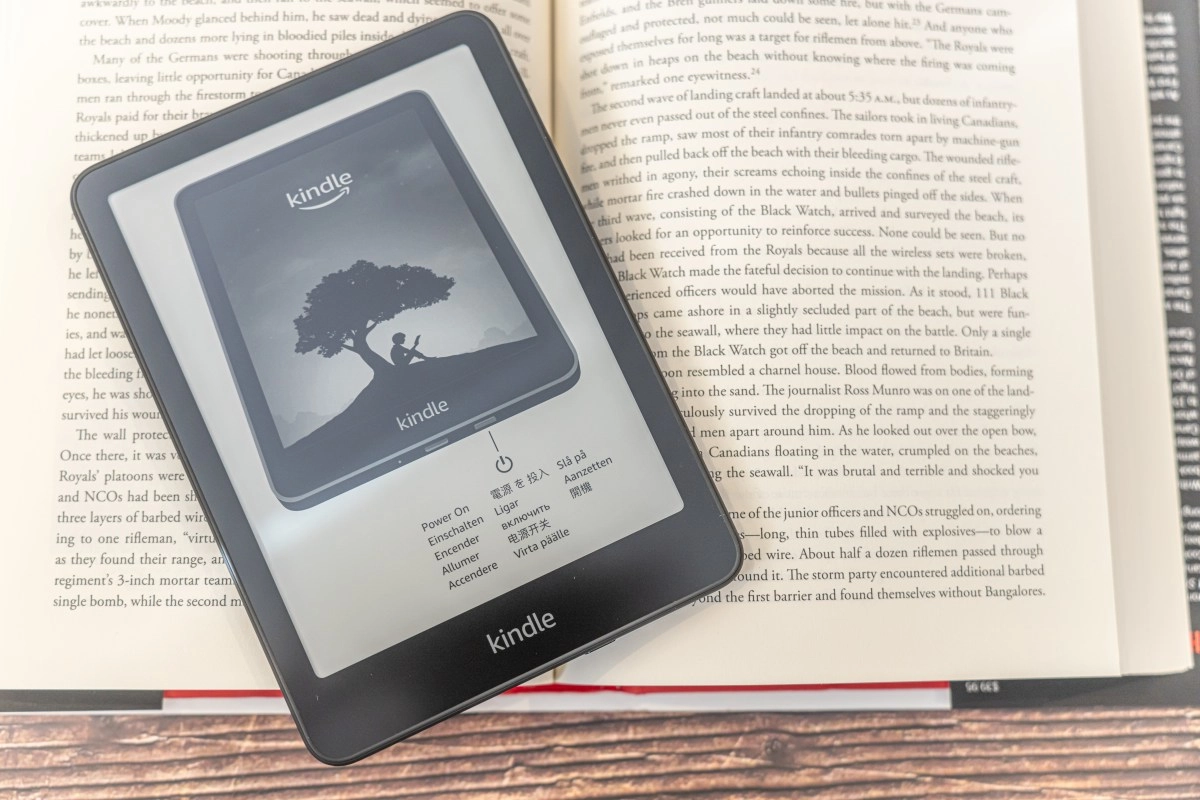

If you have a Kindle stored in a drawer for years and occasionally take it out to read, you may have some bad news waiting for you. Amazon has officially confirmed that it will stop supporting several models of its Kindle e-readers and Kindle Fire tablets starting May 20, 2026. The news has come as a shock to digital book lovers who have been loyal to these devices for years. And although technically the devices will continue to function—that is, they won't turn off or become bricks—the reality is that without access to the Kindle Store, their usefulness is very, very limited. These are the affected Kindle models that will no longer be able to buy books. The list is quite extensive and includes devices that are between 14 and almost 20 years old. As confirmed by Amazon, the models that will lose access to the Kindle Store on May 20 are the following: In total, seven e-readers and four Kindle Fire tablets will be discontinued. If you own one of these devices, starting May 20th you will no longer be able to buy new books, rent them, or download additional titles directly from the device. However, all the content you have already downloaded will remain accessible without any problems.
Why did Amazon make this decision, and why now?
Honestly, if you think about it for a second, it's not that surprising. We're talking about devices that, in some cases, are almost two decades old. Technology has evolved enormously since then, and maintaining compatibility with such old hardware involves a technical effort that Amazon is clearly no longer willing to undertake.
This announcement is, in reality, the final chapter of a gradual retirement process that has been underway for years. In early 2025, Amazon had already removed the ability to download books on devices prior to 2012 that used the older Mobi8 format, citing a transition to the more secure YJ format.And before that, in 2021, many Kindles became even more limited when US telecom operators shut down their 3G networks, leaving models that relied on that technology and didn't have Wi-Fi without connectivity.
So if you look at it from that perspective, Amazon has been laying the groundwork for this moment for years. May 20th is simply the official date when the curtain finally falls on these devices.
There's another factor that can't be ignored: business. Amazon has every incentive in the world for users to migrate to newer devices. Modern Kindles are faster, have better screens, offer adjustable light, and are compatible with the latest formats. By cutting support for older models, the company is subtly—but subtly—pushing its users toward technological upgrades.
What can affected users do to avoid losing their digital library?
Here's the part that really matters: what do I do if I have one of these Kindles?
The first and most important thing is not to panic. The books you've already downloaded to your device aren't going to disappear. You can continue reading them as normal, so if your device has a charge and is working properly, it's not going to become useless overnight. That said, if you want to continue buying and accessing new titles in the Kindle Store, you basically have two options: In any case, you can't just sit idly by if you depend on these models to buy new books. The clock is ticking, and May 20th will arrive sooner than it seems. Amazon's decision is understandable from a technical and business perspective, but it's also a reminder of something we as technology consumers sometimes forget: digital devices have an expiration date, even if they work perfectly. The hardware can last for years, but manufacturer support doesn't always keep pace. And in Amazon's closed ecosystem, without access to its store, a Kindle is little more than a local file reader.They offer adjustable light and are compatible with the latest formats. By cutting support for older models, the company is subtly but nonetheless pushing its users toward technological upgrades.
What can affected users do to avoid losing their digital library?
Here's the part that really matters: what do I do if I have one of these Kindles? The first and most important thing is not to panic. The books you've already downloaded to the device aren't going to disappear. You can continue reading them as normal, so if your device has a charge and is working properly, it's not going to become useless overnight.
That said, if you want to continue buying and accessing new titles in the Kindle Store, you basically have two options:
In any case, you can't just sit idly by if you depend on these models to buy new books.
The clock is ticking, and May 20th will arrive sooner than it seems. Amazon's decision is understandable from a technical and business perspective, but it serves as a reminder of something we, as technology consumers, sometimes forget: digital devices have an expiration date, even if they work perfectly. The hardware can last for years, but manufacturer support doesn't always keep pace. And in Amazon's closed ecosystem, without access to its store, a Kindle is little more than a local file reader.They offer adjustable light and are compatible with the latest formats. By cutting support for older models, the company is subtly but nonetheless pushing its users toward technological upgrades.
What can affected users do to avoid losing their digital library?
Here's the part that really matters: what do I do if I have one of these Kindles? The first and most important thing is not to panic. The books you've already downloaded to the device aren't going to disappear. You can continue reading them as normal, so if your device has a charge and is working properly, it's not going to become useless overnight.
That said, if you want to continue buying and accessing new titles in the Kindle Store, you basically have two options:
In any case, you can't just sit idly by if you depend on these models to buy new books.
The clock is ticking, and May 20th will arrive sooner than it seems. Amazon's decision is understandable from a technical and business perspective, but it serves as a reminder of something we, as technology consumers, sometimes forget: digital devices have an expiration date, even if they work perfectly. The hardware can last for years, but manufacturer support doesn't always keep pace. And in Amazon's closed ecosystem, without access to its store, a Kindle is little more than a local file reader.And in Amazon's closed ecosystem, without access to its store, a Kindle is little more than a local file reader.And in Amazon's closed ecosystem, without access to its store, a Kindle is little more than a local file reader.