

Barney Frank, LGBTQ pioneer and key figure of liberalism, dies at 86
The historic congressman promoted LGBTQ rights and financial reforms after the 2008 crisis
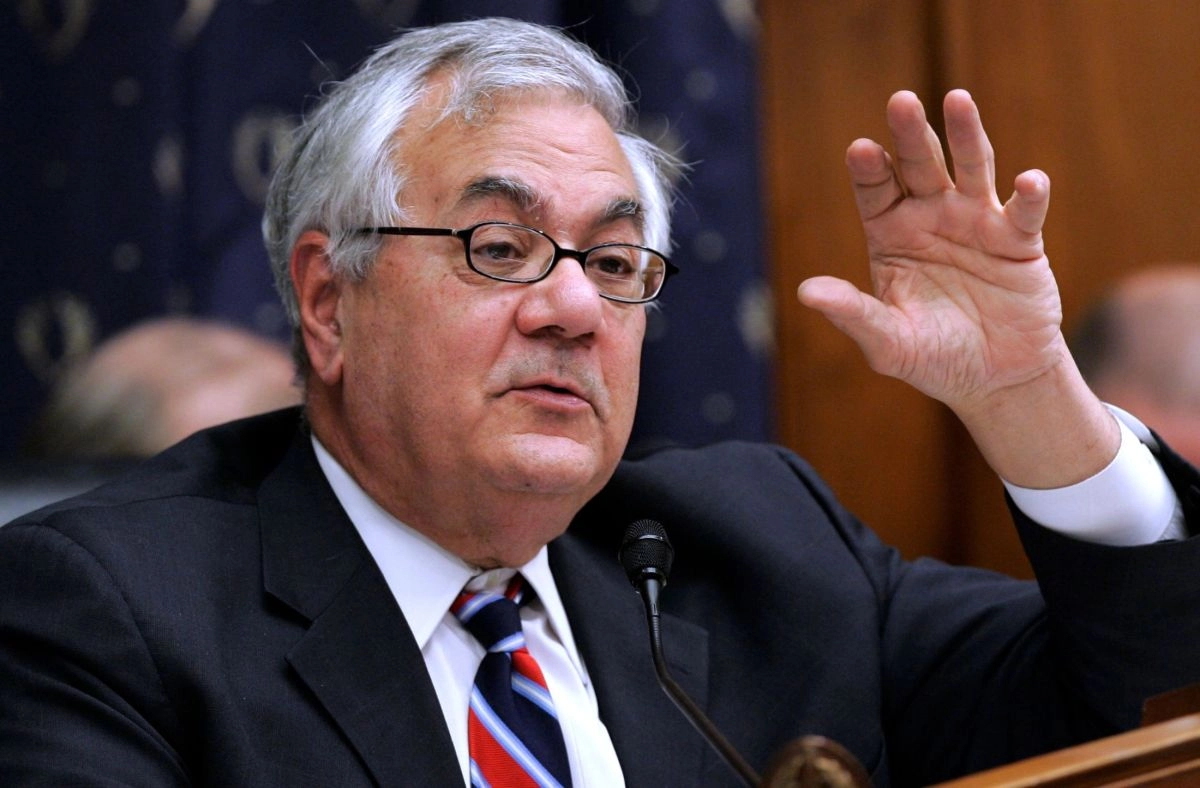

Barney Frank, one of the most influential and recognized congressmen of the Democratic Party in recent decades, died at the age of 86 after remaining in palliative care at his home in Maine. The news was confirmed by his sister, Doris Breay, in statements reported by NBC.
The former legislator represented southern Massachusetts for more than 30 years in the House of Representatives and left a profound mark on both American economic policy and the fight for LGBTQ rights.
Frank was one of the first members of Congress to come out as openly gay and became a role model for subsequent generations of LGBTQ politicians in the country. In addition, he was a key player in the approval of the Dodd-Frank Act, the historic financial reform promoted after the 2008 economic crisis to increase supervision over Wall Street.
“He was a true mentor to many of us here,” said former Speaker of the House of Representatives, Nancy Pelosi, in statements cited by the aforementioned media.
A pioneer in the fight for LGBTQ rights
Born in New Jersey in 1940 and a Harvard graduate, Barney Frank began his political career in Massachusetts before arriving in Congress in 1980. For years he established himself as one of the most visible liberal voices in Washington, defending abortion rights, anti-discrimination laws and affordable housing policies.
In 1987 he made history by coming out as openly gay while still holding federal office, at a time when very few American politicians spoke publicly about their sexual orientation.
"If you ask me directly if I'm gay, the answer is yes. So what?" he then declared to the Boston Globe, in a phrase that ended up becoming a symbol of a new stage for LGBTQ representation in American politics.
Decades later, in 2012, he became the first member of Congress to legally marry a person of the same sex while still in office. She married Jim Ready, her partner of many years.
In a recent interview with the aforementioned media, Frank reflected on the impact of coming out publicly.
“I think the key to the enormous progress against anti-gay prejudice was that people began to really know us,” he said.
His political and financial legacy
Although Barney Frank will be remembered for his activism and advocacy for the LGBTQ community, he also played a central role during one of the country's most difficult economic times.
As chairman of the House Financial Services Committee, he led part of the negotiations after the 2008 financial collapse. Together with Senator Christopher Dodd, he promoted the Dodd-Frank Act, designed to tighten regulations on banks and large financial corporations.
Even years after retiring from Congress, he continued to defend financial reform as one of his greatest political achievements.
“I am very proud of the Dodd-Frank Act,” he recently told Politico.
Frank was also known for his direct, ironic and combative style. His interventions at congressional hearings and interviews frequently went viral even before the era of social media.
However, his career was not without controversy. In 1990 he was reprimanded by the House after a scandal involving a former aide, although he managed to remain politically strong and handily won re-election.
In his later years, Barney Frank continued to participate in political debates and defend American democracy, even while criticizing sectors of the progressive left.