

Trump's earnings with cryptocurrencies revive doubts about the taxes he should pay
Specialists warn that the president could face a million-dollar tax bill, but the opacity of his businesses prevents us from knowing the real amount.
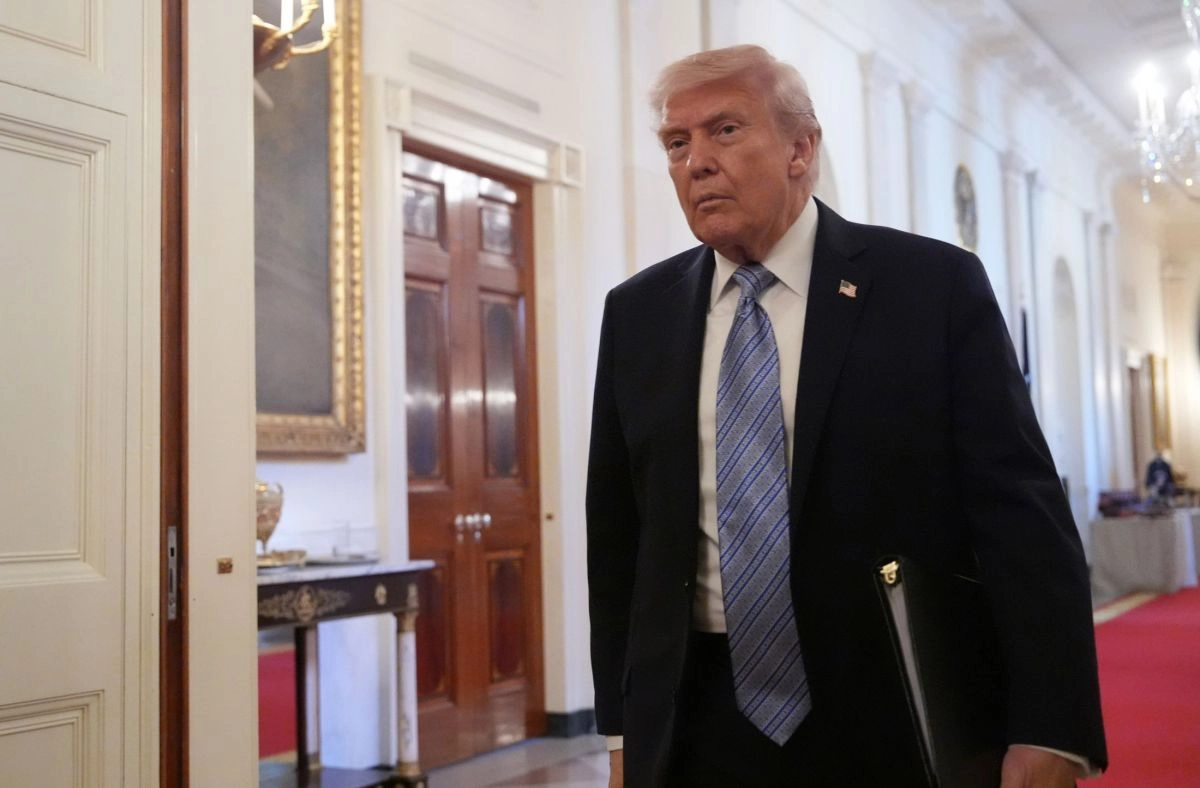

President Donald Trump's latest financial disclosure put his cryptocurrency businesses back in the spotlight. The document reveals income of around $1.4 billion from projects linked to digital assets, a figure that is now fueling debate over how much it should pay in taxes and how transparent the financial structure that supports those profits is.
According to an analysis published by CBS News, tax experts agree that these incomes would be subject to payment of federal taxes. However, the lack of information about how Trump-related companies are organized makes it virtually impossible to accurately calculate what their tax liability would be.
A tax bill that could exceed $250 million
Specialists consulted by CBS News estimate that the president could face a tax bill of at least $250 million, although the amount could be considerably higher.
If the entire $1.4 billion were taxed as personal income at the top federal rate of 37%, Trump would have to pay about $518 million to the Internal Revenue Service (IRS), without considering deductions, tax losses or other legal mechanisms.
However, Law professor Omri Marian, an expert in cryptocurrency taxation, explained that the publicly available information does not allow us to determine how these resources were obtained.
"What we know is that it did very well, but we don't know how the beneficial ownership is structured. It's like looking at a black box without being able to see what's inside," Marian told CBS News.
The structure of their businesses remains in doubt
According to the financial statement, approximately $625 million comes from royalties related to the $TRUMP cryptocurrency, while more than $590 million corresponds to profits obtained by World Liberty Financial, a cryptocurrency company co-founded by Trump and some of his children.
The White House avoided answering questions about whether that income was declared as an individual or through corporate companies, a key aspect in determining the tax burden.
In addition, the aforementioned media recalled that Trump continues without publishing his tax returns, unlike the practice followed by several former US presidents.
The debate also gained strength after learning of an agreement reached between the Department of Justice and the IRS to resolve a lawsuit filed by Trump for the leak of his tax returns in 2020. Although that agreement contemplated a fund of more than $1.7 billion, it was later suspended by a federal judge and finally discarded by the government.