

California appears among the states where “zombie houses” rise: what it means for the neighborhoods
ATTOM reported a quarterly increase of 15.1% in 2026. Riverside, Los Angeles, San Luis Obispo and San Diego, among the counties highlighted in the state ranking
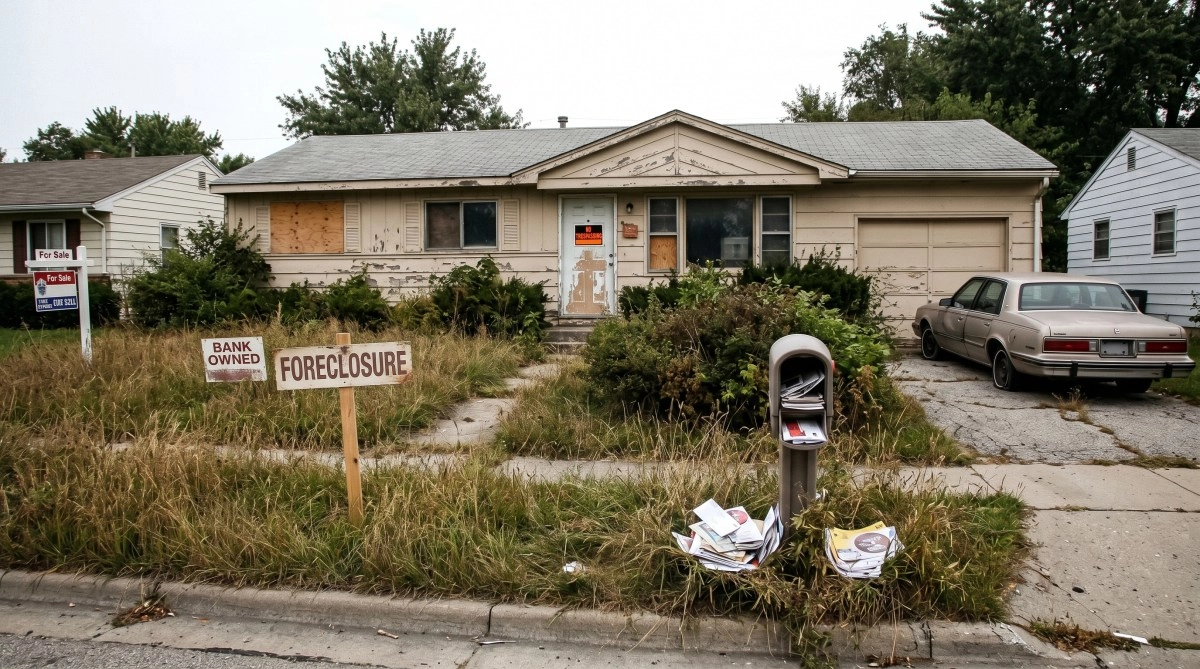

California does not lead the national ranking of “zombie houses,” but it does appear among the states where the phenomenon has grown again. An ATTOM analysis of foreclosures and vacant homes showed the state recorded 313 zombie properties in the first quarter of 2026, a quarterly increase of 15.1% among states with at least 50 cases.
The so-called “zombie houses” are homes that are in the process of foreclosure and were abandoned by their owners before the legal process was completed. In those cases, the property is left empty, can deteriorate and become a problem for the neighborhood.
In California, zombie foreclosures represented 2.1% of residential properties in foreclosure proceedings during the first quarter. The rate is below the national average of 3.27%, but the quarterly increase places the state among the markets where the phenomenon deserves attention.
California Counties Designated by ATTOM
In ATTOM's state rankings, California appears 42nd for zombie foreclosure rate. Featured counties within the state are:
The data does not mean that these counties have an abandoned housing crisis. It means that, within California, they are among the areas with the greatest relative weight in this type of vacant properties linked to foreclosure processes.
You can see: A building that combats loneliness won the most important architecture award
Los Angeles: one of the lowest rates among large metropolitan areas
An important fact to clarify the panorama: the metropolitan area of Los Angeles appears among the large areas with the lowest rate of zombie houses within the universe of properties in foreclosure. ATTOM ranked Los Angeles with a rate of 2.2%, below cities such as Cleveland, Baltimore, St. Louis, Akron and Indianapolis, which showed the highest rates among the metropolitan areas analyzed.
This allows the data to be read more precisely: California registered a quarterly increase, but Los Angeles does not appear as one of the national epicenters of the problem.
Why zombie houses matter
The impact of these homes is often felt at the neighborhood level. An abandoned house can be left unmaintained, accumulate weeds, attract vandalism, or reduce the perception of safety on the block. It can also affect the value of nearby properties if deterioration is prolonged.
ATTOM defines the zombie foreclosure rate as the percentage of foreclosed properties that are vacant because the owner vacated the home before the foreclosure is complete.
A phenomenon that remains small
At the national level, the ATTOM report showed that 230,401 residential properties were in the process of foreclosure in the first quarter of 2026. Of them, 7,540 were considered zombie homes, equivalent to 3.27% of the homes in foreclosure.
The firm also noted that overall residential vacancy remains low: 1.33% of the country's residential properties were empty at the beginning of the year, practically the same as the previous quarter and the first quarter of 2025.
What owners and buyers should look at
For buyers, a zombie house can represent an opportunity, but also a risk: they usually require repairs, legal review and clarity about debts, liens or the status of the mortgage process.
For neighbors and owners, the warning sign is not only that there is an abandoned home, but that it remains without maintenance for a long time. In those cases, it is a good idea to review county public records, report safety or health problems to the city and verify if the property is in the process of foreclosure.
In short, the growth of zombie houses in California does not point to a widespread housing crisis, but it does show pressure that can be felt in a localized way. The key is in the neighborhood: A state figure may seem small, but an abandoned property on a particular block can change the safety, value and quality of life for those who live nearby.